
Last updated September 23, 2026
Free visual inspection and a written scope of work before any mitigation begins - photos, moisture readings, and drying logs go in your claim file
The scope we write is the scope we bill. Anything new gets shown to you, in writing, before we touch it.

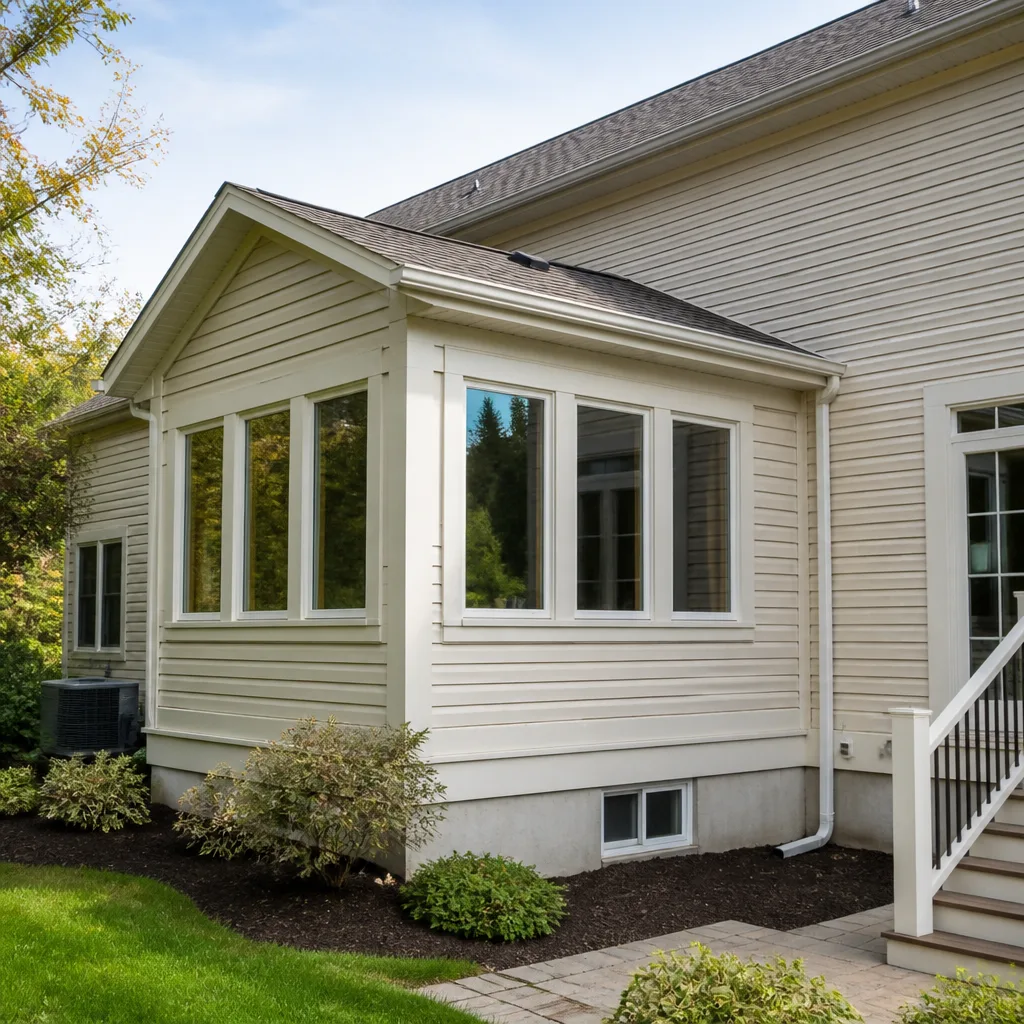
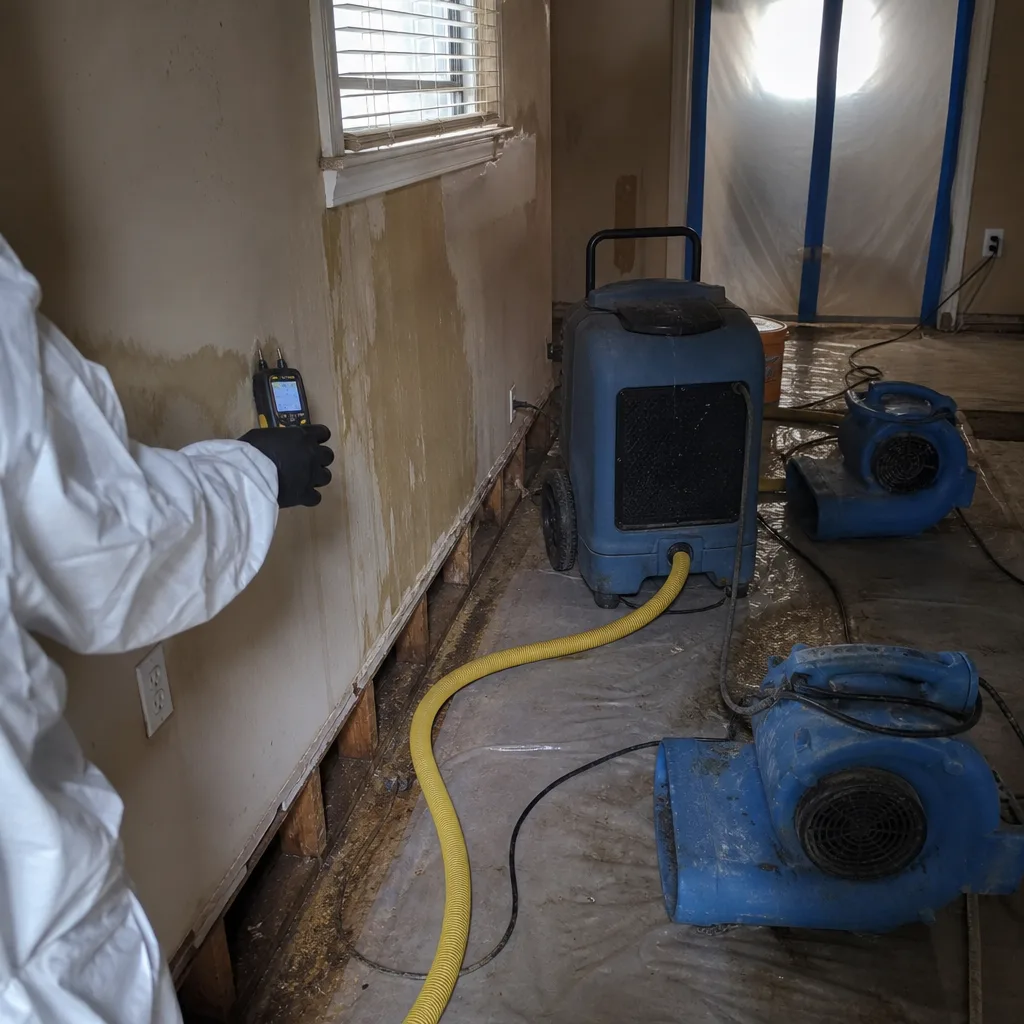 Before
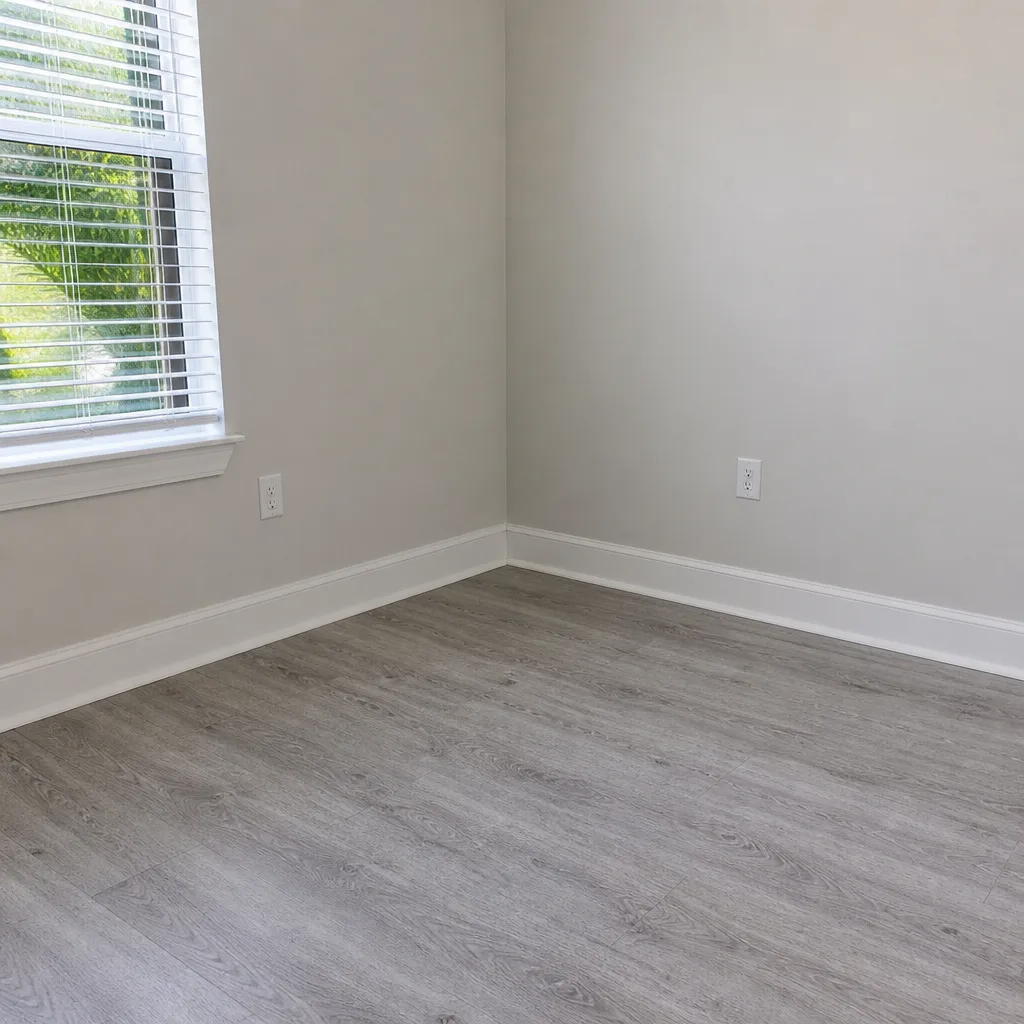 After
After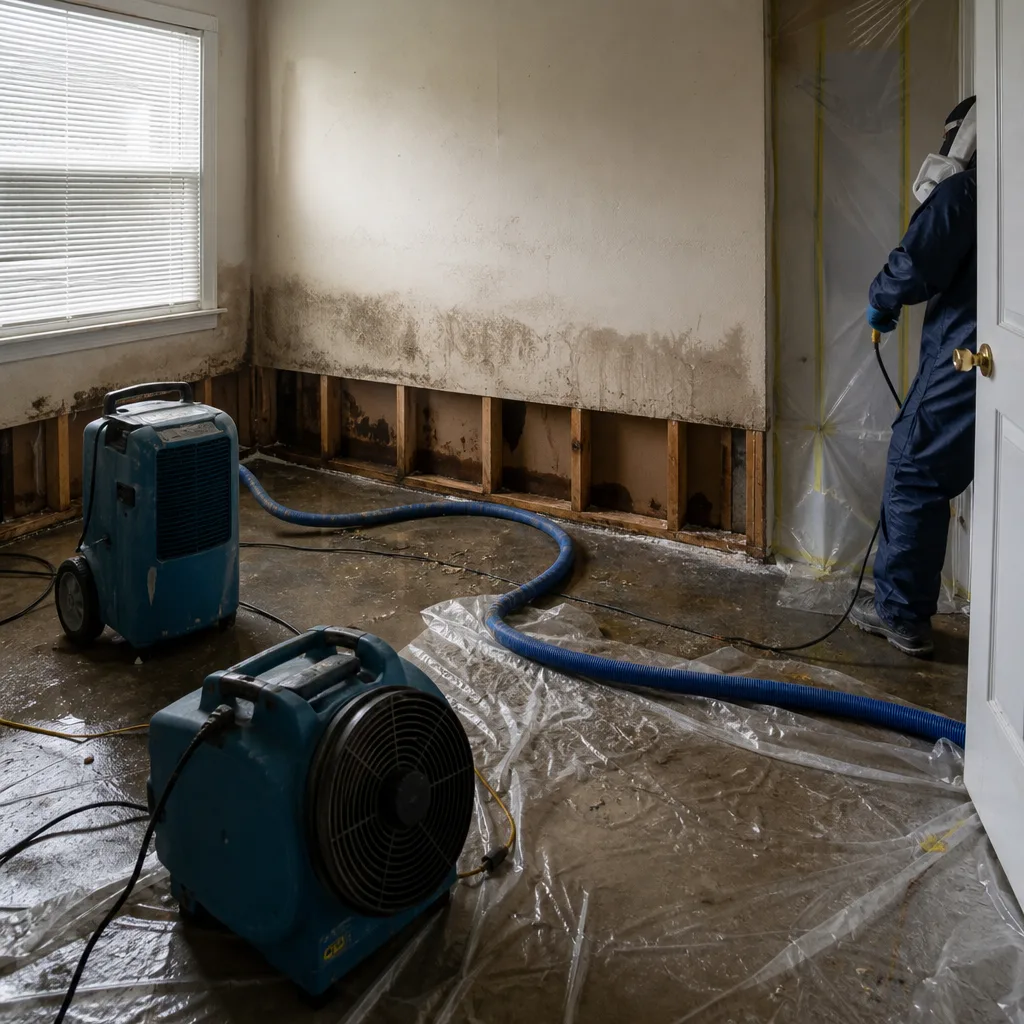 Before
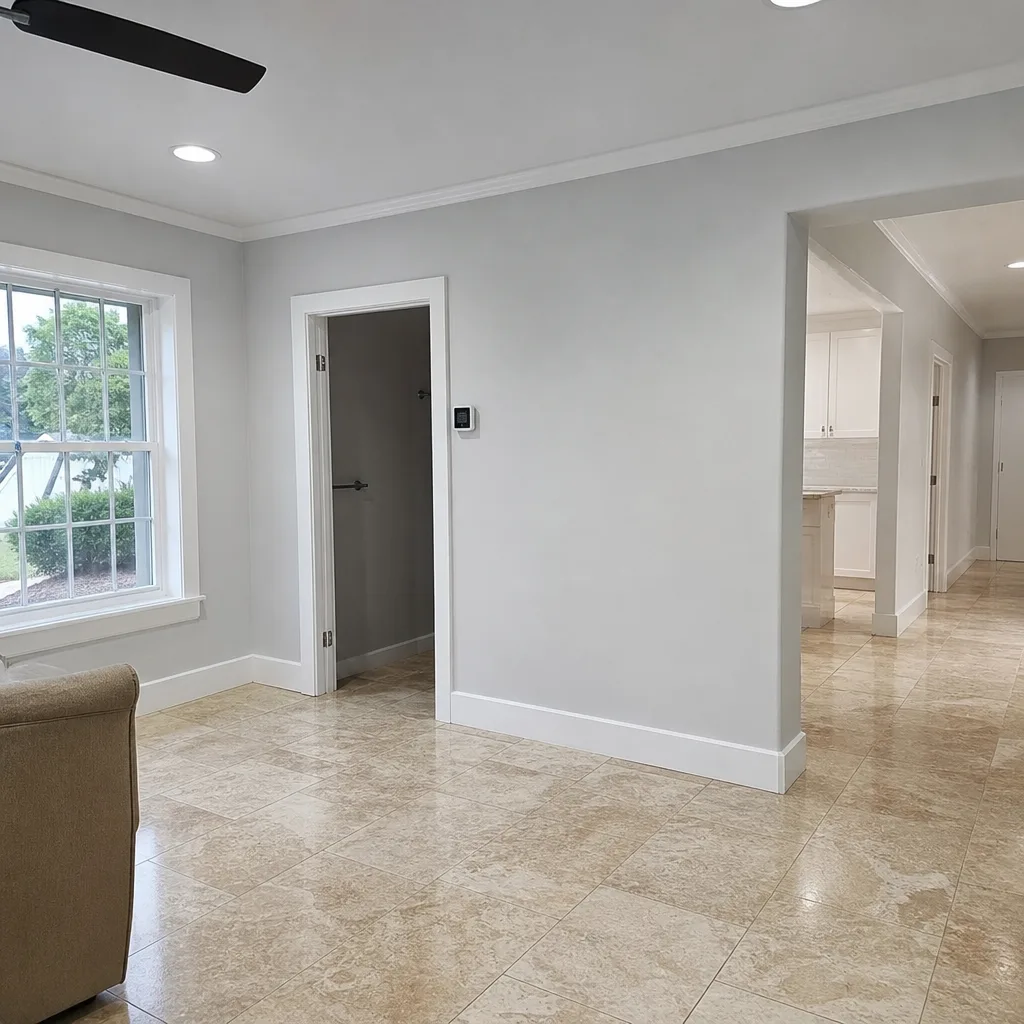 After
After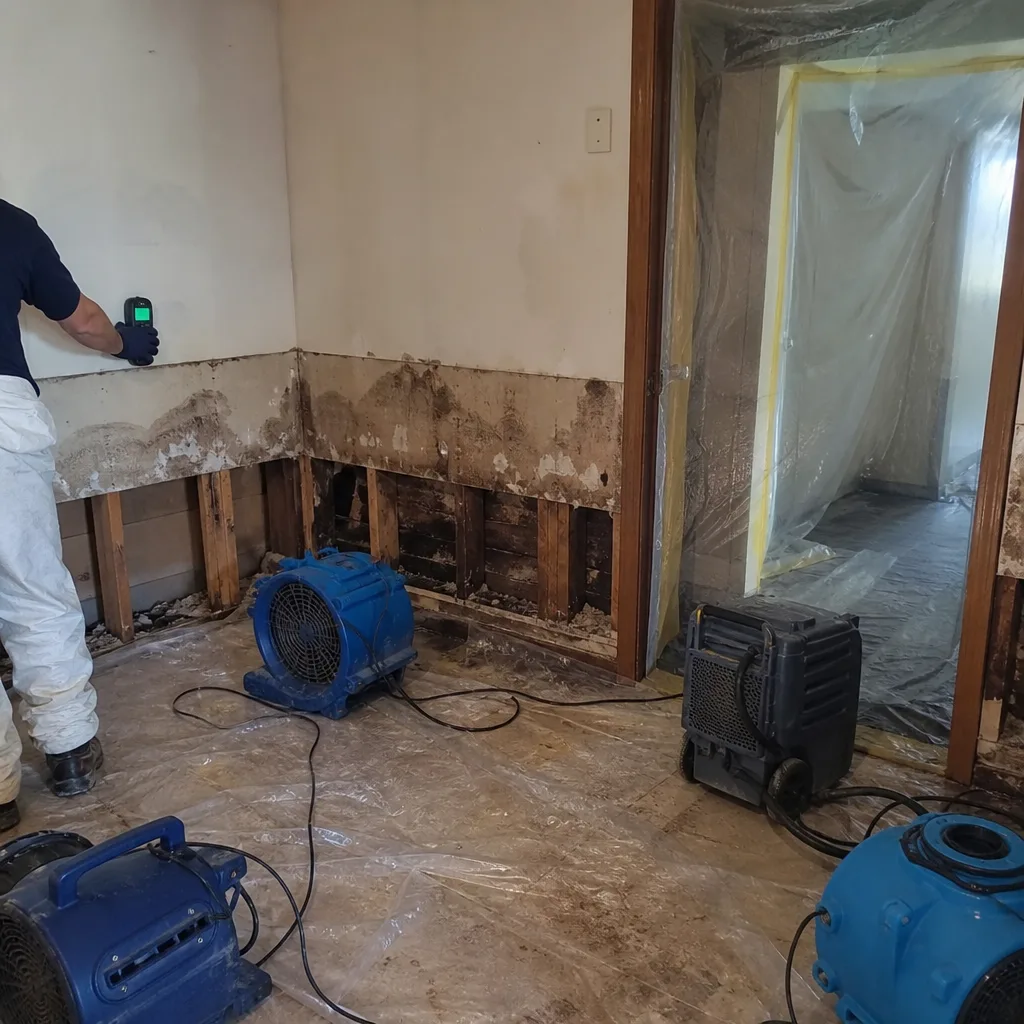 Before
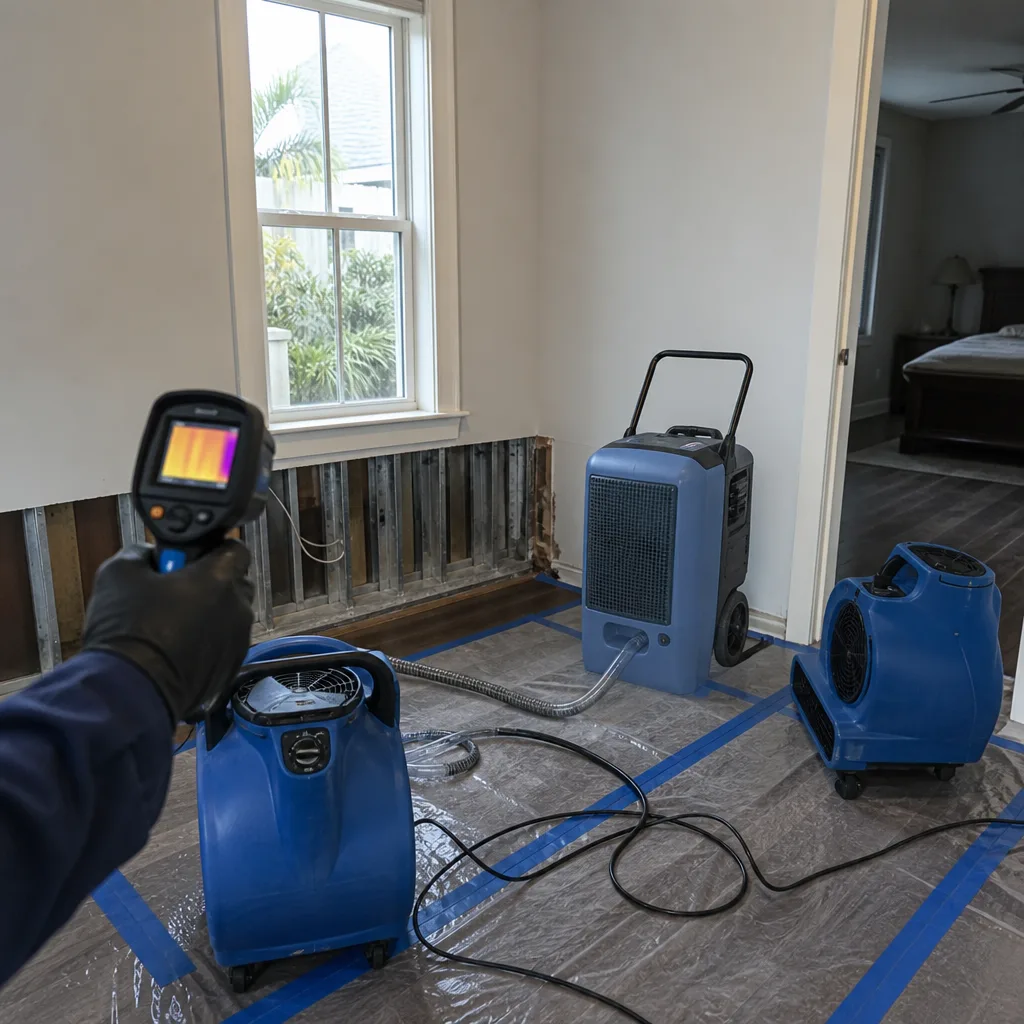 After
AfterSeasonal Damage Restoration Care for Boynton Beach: Year-Round Homeowner’s Guide
Boynton Beach homeowners who prepare for “hurricane season” as a June 1 event have already missed the April-May window when sustained humidity and afternoon thunderstorms produce the slow roof-deck moisture intrusion that shows up as mold in August - after the storm that gets blamed for it arrived in July. In our experience, the claims that get disputed aren’t the ones from obvious flood events. They’re the ones where the homeowner can’t prove when the moisture started. This guide maps Boynton Beach’s real damage risk calendar to specific actions you can document month by month, so your file - not your memory - tells the story if you ever need it. For a broader overview, see our Complete Guide to Damage Restoration in Boynton Beach.
Quick Answer
Seasonal damage restoration care in Boynton Beach means preparing for two distinct threat windows: the April-May pre-season humidity period that degrades roofing and sealants before storms arrive, and the June-October active storm season when wind-driven rain exploits those weaknesses. A documented maintenance plan that tracks eight specific home locations with dated photos, moisture readings, and written repair scopes protects both the structure and any future insurance claim. Download our Water Damage Restoration Maintenance Checklist for Boynton Beach Homeowners to get started.
Table of Contents
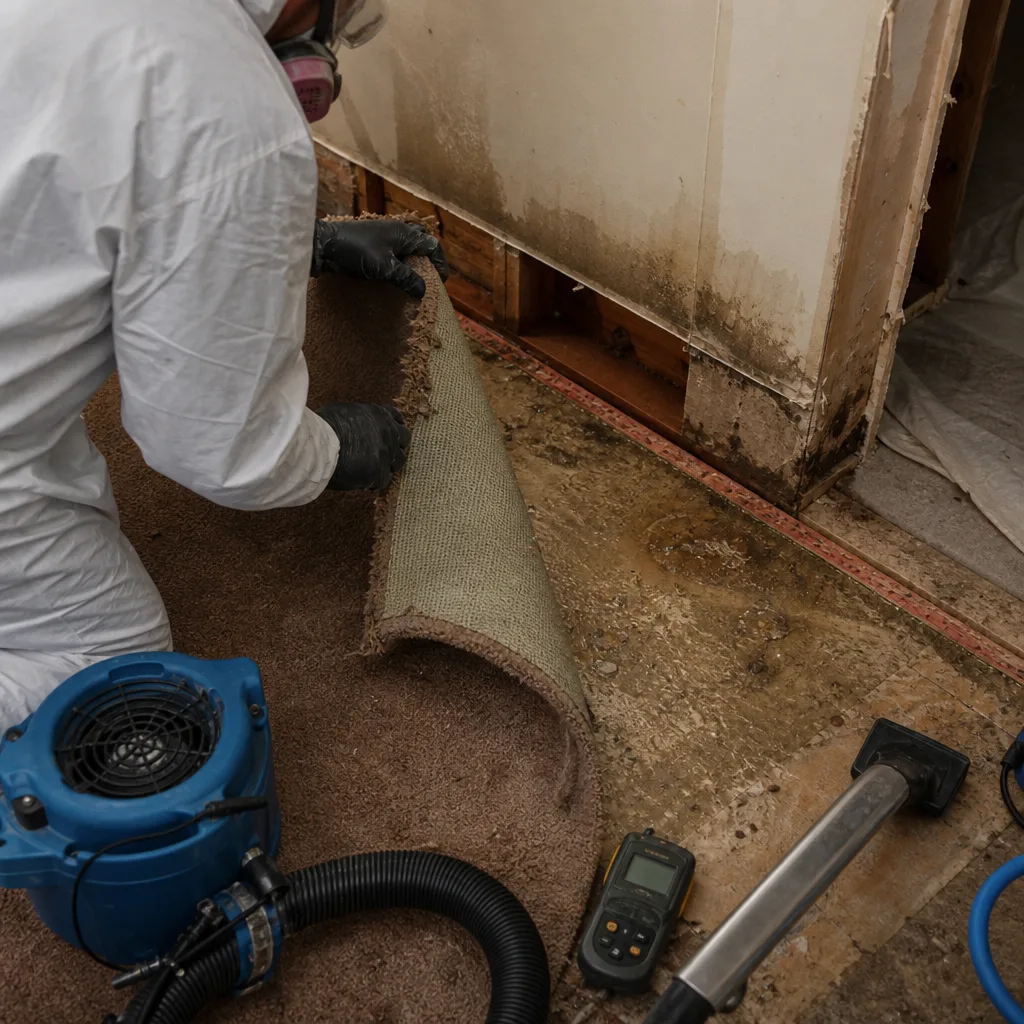
- The April-May Pre-Season: When Humidity Does the Real Damage
- June-October Active Season: What to Measure After Every Storm
- November-January Post-Season: Documenting Temporary Repairs Before They Go Permanent
- February-March Dry Season: The Danger of Assuming Problems Have Resolved
- How to Create a 12-Month Photographic Log of Eight Critical Locations
- What Professional Documentation Looks Like: Moisture Logs and Written Scopes
- Common Mistakes to Avoid
- When to Call a Professional
- Frequently Asked Questions
 Before
 After
AfterThe April-May Pre-Season: When Humidity Does the Real Damage
Boynton Beach’s average relative humidity climbs above 70% by mid-April and stays there. That sustained moisture load degrades materials before a single named storm forms. We’ve opened ceilings in June where the OSB roof deck showed weeks of fungal staining - the homeowner assumed it was from a recent rain, but the moisture meter told a different story.
Here’s what fails under sustained humidity, and what to inspect:
- Plumbing vent boots and pipe collars: The rubber gaskets dry-rot faster in high-RH environments. Look for cracking at the base where the boot meets the pipe. In Boynton Beach, we replace these on 40% of pre-season inspections.
- Soffit vent screens: Clogged with pollen, salt residue, and insect debris from winter trades. Blocked soffits trap attic moisture that would otherwise exhaust. We measure attic RH with a thermo-hygrometer; readings above 65% warrant cleaning or additional ventilation.
- Exterior caulk joints at window perimeters and band boards: South Florida’s UV index degrades acrylic latex caulk in 18-24 months. Silicone or polyurethane lasts longer but still checks at the substrate. Probe with a putty knife - if the caulk separates from either surface, it’s failed.
- Garage door top seal and side weatherstripping: Often missed. A failed seal lets humid air pressurize against the interior wall shared with conditioned space, creating a vapor drive that shows up as bubbling paint or mold on the backside of drywall.
The documentation that matters now: a dated photo of each penetration point, a moisture reading of the roof deck from the attic (pinless meters read through plywood and OSB), and a written list of what you found. If you hire a roofer or inspector, get their findings in writing. That paper becomes your baseline if June storms create new damage you need to distinguish from pre-existing conditions.
We’ve seen claims denied because the insurer’s adjuster argued the damage was “long-standing” and therefore excluded under maintenance provisions. A dated April inspection with photos and moisture readings under 12% wood moisture content (WMC) makes that argument much harder to sustain.
June-October Active Season: What to Measure After Every Storm
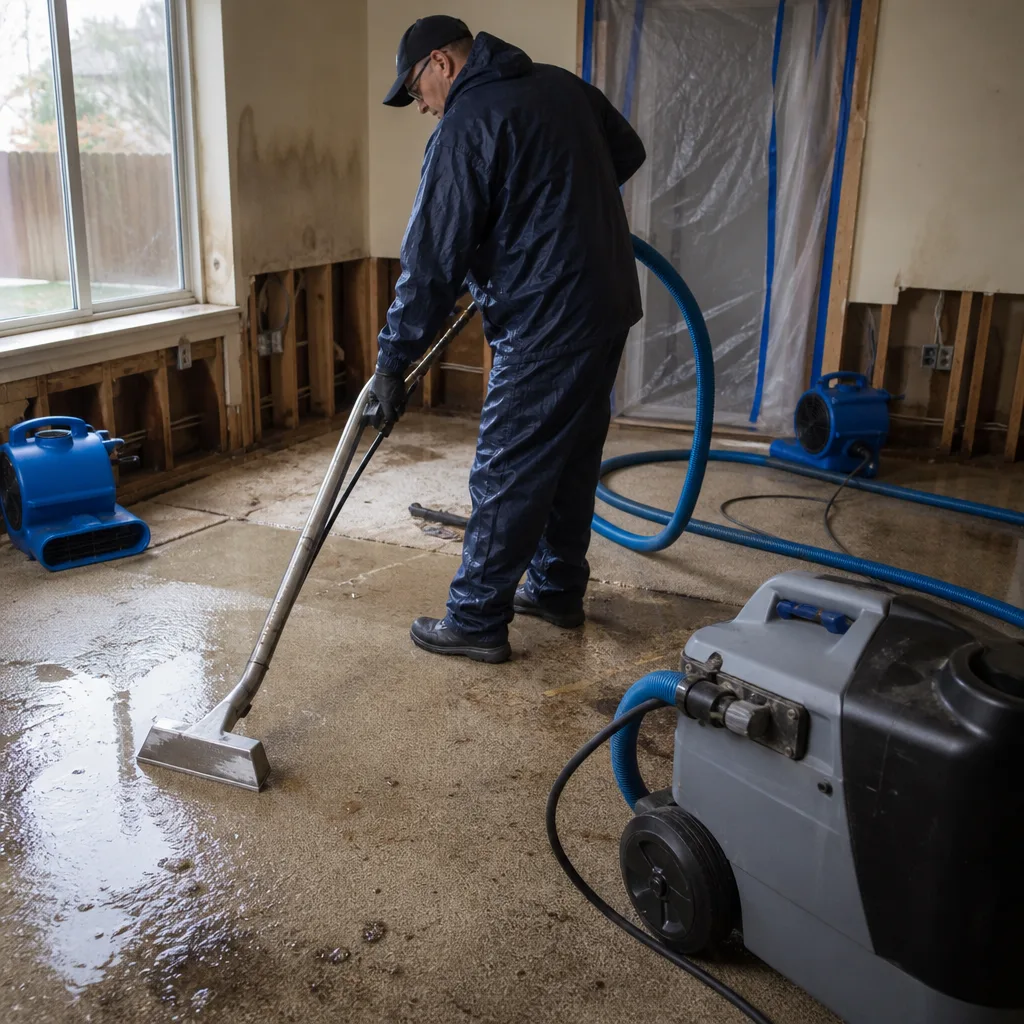
Wind-driven rain in Boynton Beach doesn’t always enter where you’d expect. The pressure differential during a storm can force water uphill, against gravity, through gaps that would never leak in a calm rain. After every significant event - sustained winds above 35 mph or rainfall above 2 inches in an hour - we recommend a specific inspection protocol.
What to Check Within 24 Hours
- Attic inspection at the highest point: Look for fresh water staining on the underside of the roof deck, particularly at valleys, ridge vents, and any penetration. Use a pinless moisture meter on the deck; readings above 16% WMC indicate active wetting. Document the reading, location, and date.
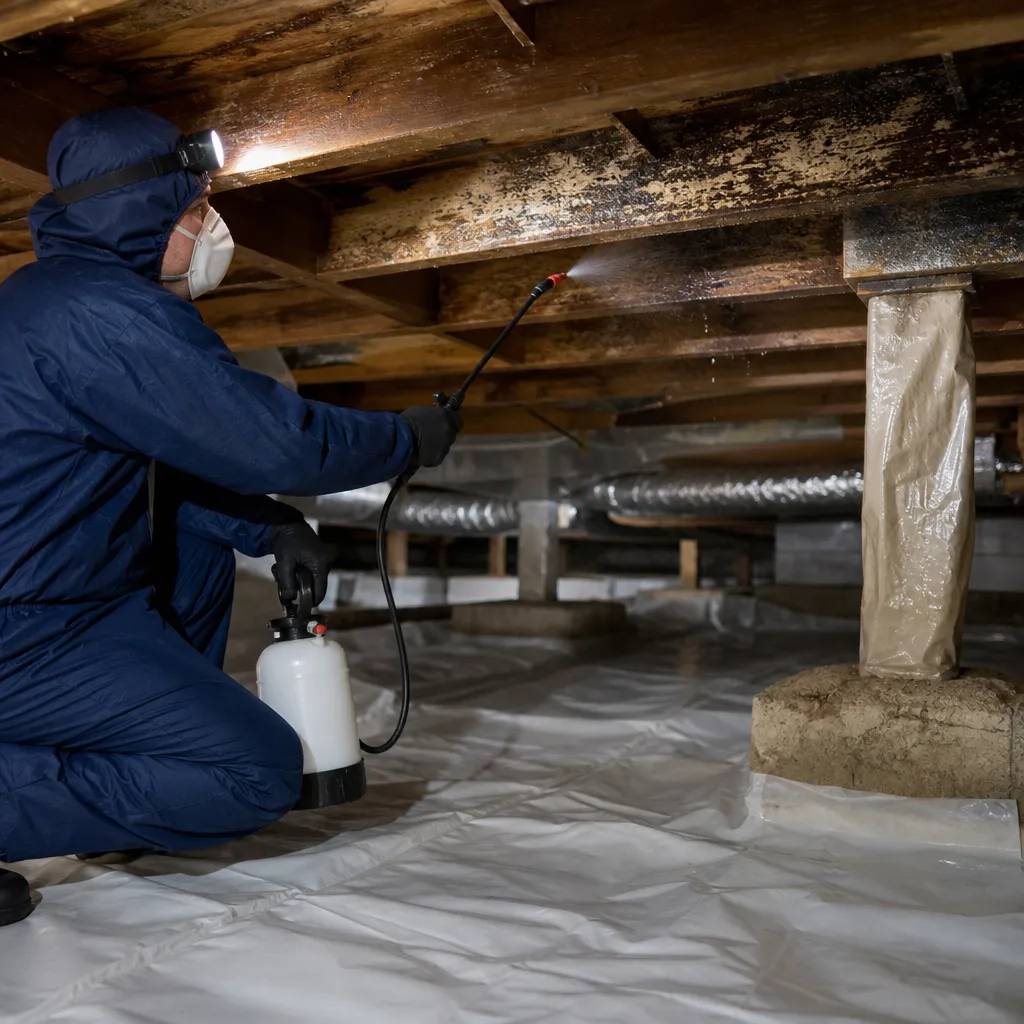
- Crawlspace or slab perimeter: If your home has a crawlspace, measure RH at three points. Above 70% RH, microbial growth becomes likely within 72 hours on organic surfaces. For slab-on-grade homes common in Boynton Beach’s post-1980 construction, check baseboards and drywall corners for swelling or discoloration - slab moisture wicks upward through the footing joint.
- Interior wall temperatures near windows: Use an infrared thermometer. Surface temperatures more than 5°F below the ambient room temperature indicate thermal bridging, often from air infiltration that carried moisture. Cold spots become condensation points when post-storm humidity spikes.
- Garage and lanai ceilings: These flat or low-slope roofs pond water and leak first. Staining here is often the earliest indicator of compromised membrane or flashing.
Threshold Numbers That Warrant Professional Assessment
| Measurement | Normal Range | Action Threshold |
|---|---|---|
| Wood roof deck moisture | 10-14% WMC | ≥16% WMC |
| Attic relative humidity | 50-65% RH | ≥70% RH sustained |
| Interior wall surface temp | Within 3°F of ambient | ≥5°F below ambient |
| Crawlspace relative humidity | 55-70% RH | ≥75% RH |
When you call for assessment, ask what documentation you’ll receive. At DryMark Restoration Boynton Beach, every assessment includes a written scope with line-item pricing before any work begins, per Haven Standard, Clause 1. The photo record from that assessment becomes part of your file if the damage progresses or if secondary mold develops.
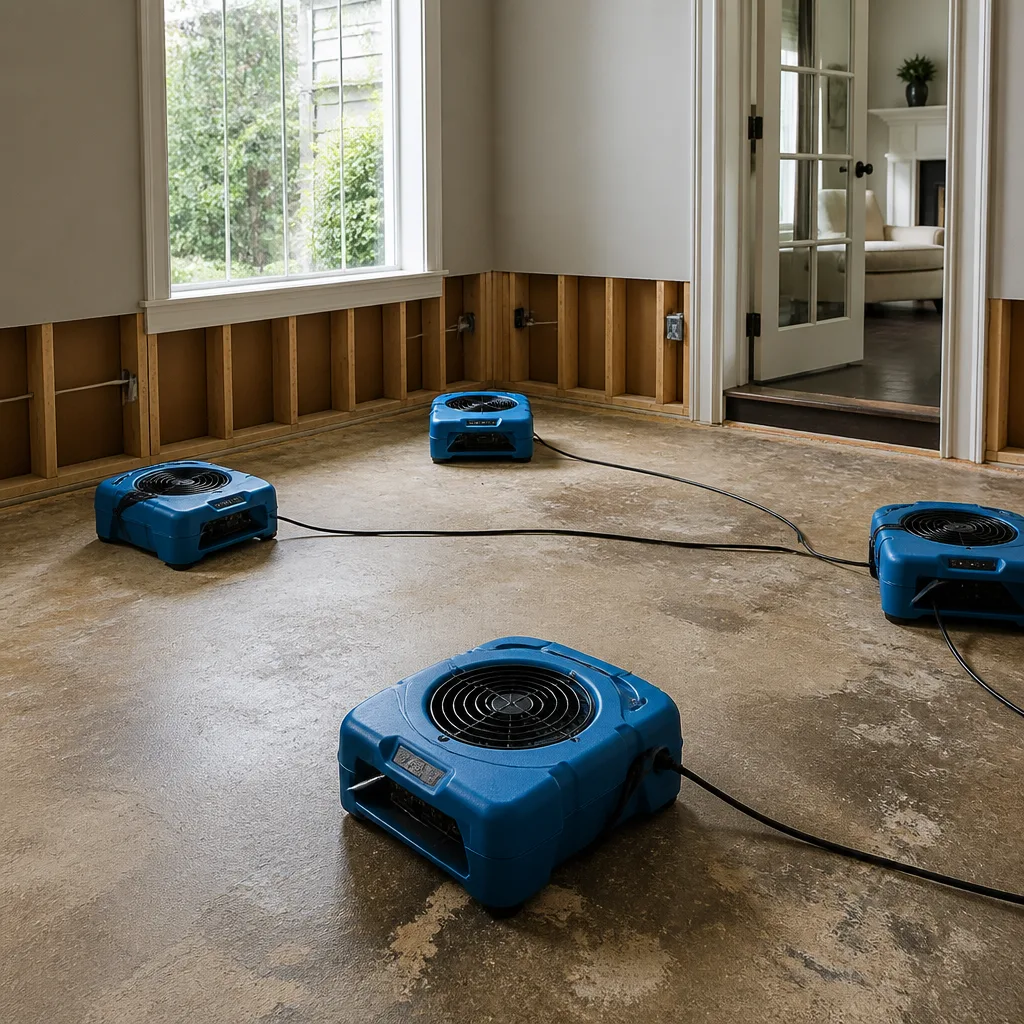
We deploy professional-grade drying systems from Phoenix and XPOWER on active losses, with daily psychrometric logs - temperature, relative humidity, and vapor pressure differential - that document the drying progression to IICRC standards. Those logs are what turn a restoration invoice into a payable claim.
November-January Post-Season: Documenting Temporary Repairs Before They Go Permanent
By November, most Boynton Beach homeowners want to close the books on storm season. But this is the critical window for documentation that protects you on the next claim.
Here’s the scenario we see repeatedly: a tarp goes on in September, a patch goes up in December, and by the following July a new leak appears in what the homeowner believes is “repaired” roof. The insurer denies the new claim, arguing the repair was faulty and the current damage is maintenance-related. Without documentation of what the temporary repair covered and what condition the substrate was in, the homeowner has no rebuttal.
The protocol we recommend:
- Photograph the temporary repair from inside and outside before removal. Date-stamped, with a reference object for scale. Show the full extent of the damaged area the tarp was covering.
- Photograph the substrate once exposed. Roof deck, fascia, soffit - whatever was beneath the temporary fix. Moisture meter readings of the exposed wood. If there’s staining, measure it and photograph with a ruler in frame.
- Get the permanent repair scope in writing before work starts. What materials, what extent, what warranty. Haven Standard, Clause 1 applies here too - written price before work begins, no exceptions.
- Photograph the completed repair from the same angles as your “before” shots. This creates a matched pair that any future adjuster can read in 30 seconds.
In Boynton Beach, we see particular issues with tile roof repairs where the underlayment was damaged but only the visible tile was replaced. The homeowner doesn’t know the underlayment is compromised until the next storm. A written scope that specifies “remove tile, inspect and replace deteriorated underlayment, reinstall tile” versus “replace broken tile” is the difference between a covered loss and a denied claim.
Store these records with your insurance policy, not just on your phone. Cloud storage is fine, but a printed copy in a fireproof box ensures access when you need it most.
February-March Dry Season: The Danger of Assuming Problems Have Resolved
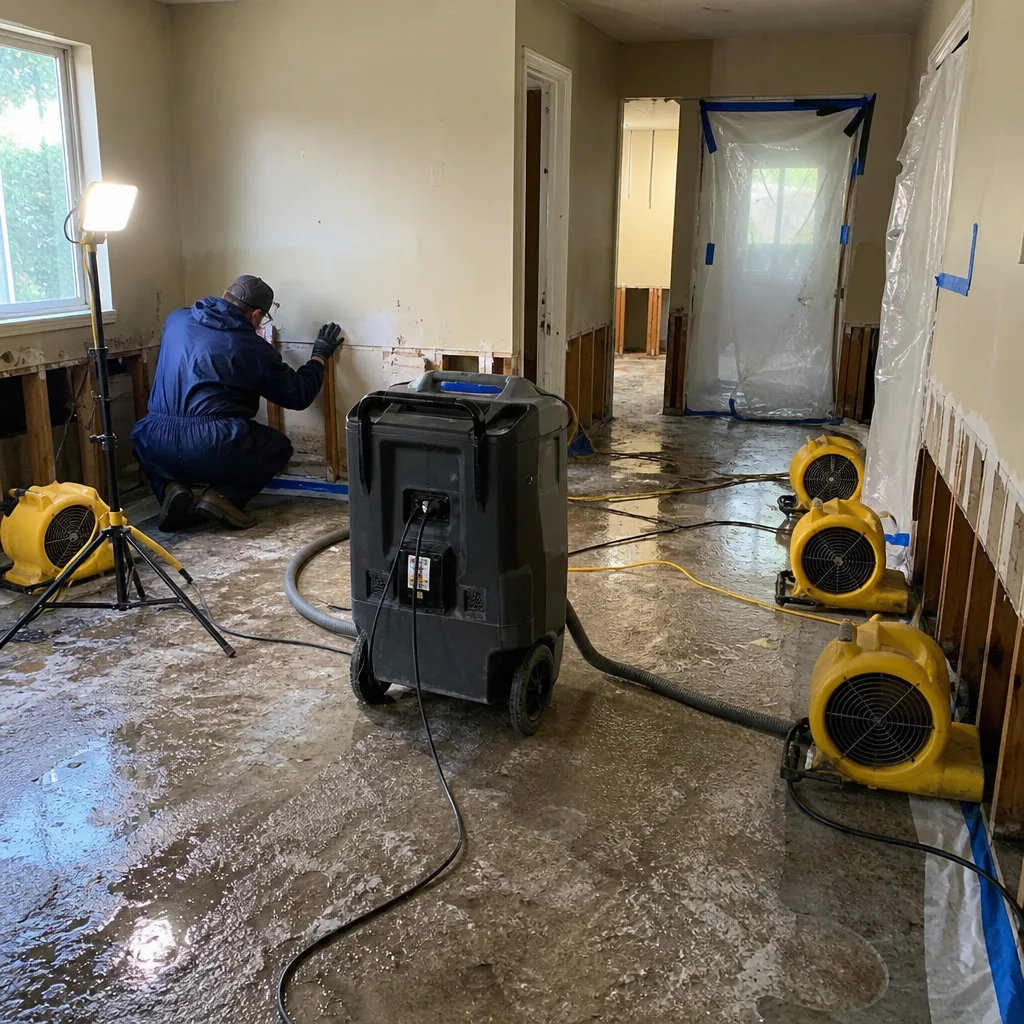
February and March in Boynton Beach feel like relief. Humidity drops into the 50s, breezes come from the northwest instead of the southeast, and that musty smell in the guest bathroom seems to have disappeared. This is the most dangerous assumption in the annual cycle.
Materials that were wet in October don’t necessarily dry to safe levels just because the air feels drier. We use a concept called tertiary drying - the phase where bound moisture in dense materials (tile mortar beds, engineered wood subfloors, structural timbers) releases slowly. Surface readings can show 12% WMC while the core remains at 18% or higher. When April humidity returns, that core moisture reactivates, and the mold that was dormant begins growing again.
We’ve documented this exact pattern in Boynton Beach homes near the Intracoastal, where the combination of slab-on-grade construction and seasonal humidity cycling creates what we call “latent moisture events.” The homeowner thinks they dodged a bullet in storm season. They didn’t. They just loaded one.
What to do in February-March:
- Re-check any area that showed elevated moisture during the active season. Even if it “looks dry.” Use a pin-type meter if you have access, or call for a verification reading. We provide these at no charge for prior DryMark Restoration Boynton Beach customers.
- Inspect areas that received drying equipment. If you had professional drying in the fall, the company should have provided a completion moisture log. Compare those final readings to current readings at the same locations. Any increase indicates incomplete drying or new moisture intrusion.
- Check your HVAC condensate drain and pan. Dry-season operation patterns differ; a partially clogged drain that handled summer load may back up during winter cycling when the pan sits dry and debris settles.
The documentation habit to build now: schedule your annual inspection for late February, before the humidity turns. That timing gives you a clean baseline for the pre-season period and catches any latent issues while they’re still isolated.
How to Create a 12-Month Photographic Log of Eight Critical Locations
Insurance claims succeed or fail on documentation timelines. The homeowner who can produce a dated photo from March showing no staining, and a dated photo from July showing new water damage, has a claim that’s hard to dispute. The homeowner who says “it wasn’t like that before” without proof has an uphill fight.
We recommend eight locations, photographed from fixed positions, on the same date each month. The 1st of the month works; consistency matters more than the specific day.
The Eight Locations
- Attic, highest point, facing north: Captures roof deck condition, any new staining, and ventilation status. Place a piece of tape on the truss to mark your standing position.
- Attic, at the primary plumbing vent stack: Shows boot condition and any surrounding deck discoloration.
- Exterior, front elevation, wide shot: Roofline, fascia, soffit, window perimeters. Stand at a fixed point, such as the mailbox or a landscape feature.
- Exterior, rear elevation, wide shot: Same elements, different exposure. Rear elevations in Boynton Beach often take the brunt of easterly storm winds.
- Garage ceiling, center: Flat or low-slope roof area, often the first leak indicator.
- Interior, wall beneath the front windows: Baseboard corner, drywall surface. Shows any wicking from window leaks or slab moisture.
- Interior, wall beneath the rear windows or sliding door: Same, for the opposite exposure.
- Utility room or water heater closet: Shows any supply line corrosion, pan condition, or floor staining. Include the water heater date stamp in frame if visible.
Photo Standards That Hold Up
- Enable date stamp in camera settings, or use an app that embeds EXIF data you can print.
- Include a ruler or known-size object in damage photos for scale reference.
- Store in two places: cloud and local backup. Email yourself the set each month as additional timestamp verification.
- Name files systematically: 2025-03-01_AtticNorth.jpg, not IMG_4739.jpg.
In 12,000+ homes restored since 2011, the claims with photographic timelines resolved faster and at higher settlement rates. The reason is simple: adjusters are human. A clear visual timeline removes doubt and reduces the need for invasive investigation.
What Professional Documentation Looks Like: Moisture Logs and Written Scopes
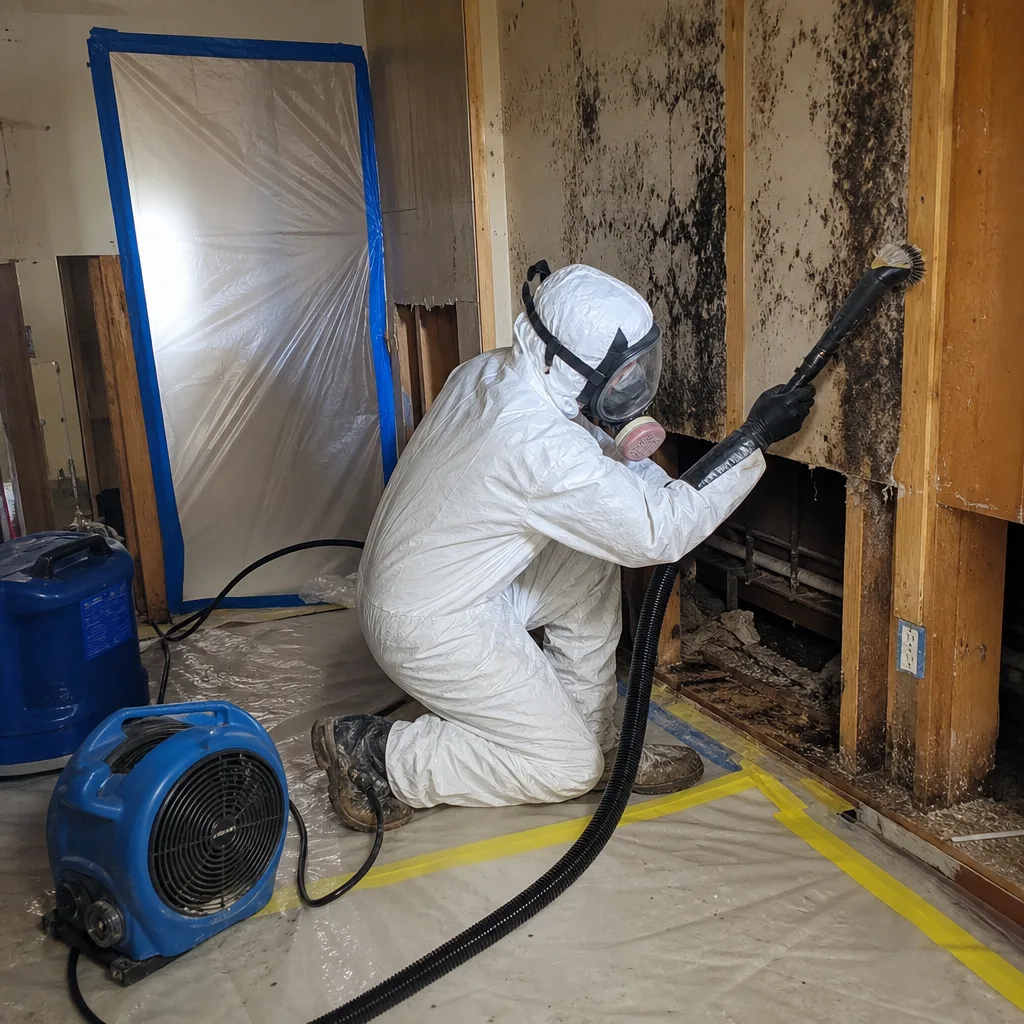
When you hire a restoration company, the equipment matters less than the documentation it produces. A Phoenix dehumidifier or Injectidry drying system is a tool. The daily drying log - showing grain depression, vapor pressure differential, and specific humidity at each affected area - is the deliverable that protects your claim.
Here’s what professional documentation includes, and what you should expect to receive:
- Written scope before work begins: Line-item description of each affected area, the drying or remediation method proposed, the equipment to be deployed, and the fixed price. Haven Standard, Clause 1: no exceptions. If a company won’t put a price in writing before starting, that’s information about how the rest of the job will go.
- Photo record on every visit: Not just “before and after.” Every monitoring visit, every equipment move, every change in condition. Date-stamped, location-noted, included as standard. Never an upsell.
- Daily moisture log: For water damage, readings at each affected location, taken with calibrated pin or pinless meters, recorded with the meter make and model. Shows the drying progression and justifies when equipment can be removed.
- Psychrometric data: Temperature, relative humidity, and specific humidity readings from the drying environment. Used to calculate vapor pressure differential - the force that actually moves moisture out of materials into the air to be extracted.
- Completion documentation: Final moisture readings at or below dry standard, photo verification, and a written statement that the structure has been returned to pre-loss condition or that specified reconstruction is needed.
At DryMark Restoration Boynton Beach, we document to IICRC, RIA, and IFA standards because those are the standards insurers recognize. A drying log in our format has been accepted by every major carrier in Florida. The alternative - a handwritten note saying “looks dry” - has been rejected enough times that we won’t work that way.
The 365-Day Done Right Promise, backed by The Haven Standard, means that if any documentation is challenged or if conditions change, we return and make it right. It’s a signed guarantee, not a verbal assurance, and it’s stamped on every job file.
Common Mistakes to Avoid
- Waiting for “hurricane season” to start inspections. By June 1, the humidity damage from April-May is already done. Inspect in March, repair in April, document in May.
- Trusting visual appearance over moisture readings. We’ve found 18% WMC in drywall that looked and smelled fine. Mold doesn’t need visible water to grow; it needs sustained moisture above 16% on organic material.
- Accepting verbal repair estimates for insurance-related work. Verbal estimates can’t be submitted to your carrier, can’t be compared to competing bids, and can’t prove what was agreed if the repair fails. Written price before work begins, every time.
- Failing to photograph temporary repairs. The tarp that saves your ceiling in September becomes evidence of pre-existing damage in December if you can’t show what was under it.
- Assuming dry-season comfort means dry structure. February’s pleasant weather doesn’t extract bound moisture from slab edges or structural timbers. Verify with meters, not intuition.
- Neglecting the garage and lanai. These spaces aren’t “outside” for insurance purposes if they’re roofed and enclosed, and they’re often the first leak points in Boynton Beach’s flat-roof construction.
- Discarding documentation after repairs are complete. Keep records for the life of the structure plus seven years. The next buyer, the next storm, or the next claim may need proof of what was done and when.
When to Call a Professional
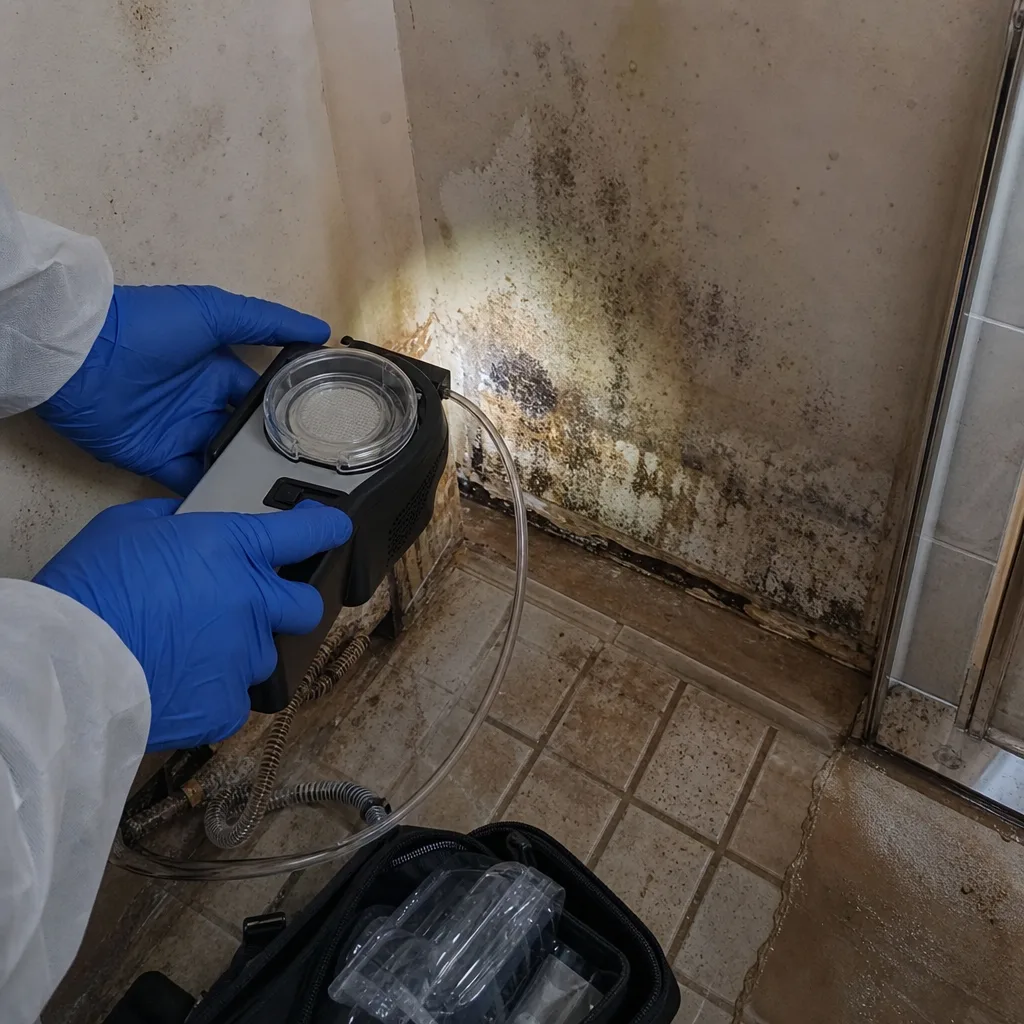
Call for assessment when moisture readings exceed the thresholds in this guide, when you find staining you can’t explain, or when you smell mustiness without a visible source. These are not DIY diagnoses; pinless meters require training to interpret, and disturbing visible mold without containment can spread spores through your HVAC system.
Call immediately - regardless of readings - after any water intrusion that affects drywall, insulation, or structural materials. Time matters for salvageability. Carpet and pad can often be saved if extraction begins within 24 hours. Drywall above the water line can often be dried in place. Wait 72 hours and you’re often looking at removal and replacement, with the documentation burden and claim complexity that follows.
DryMark Restoration Boynton Beach offers free estimates in Boynton Beach - call (754) 227-6524. Every assessment includes a written scope with line-item pricing before any work begins, a documented photo record, and the option for a Free Second Opinion on any competitor’s written estimate. Live phone coverage is available 24 hours a day, 7 days a week with no voicemail on emergency lines.
Frequently Asked Questions
Professional moisture inspections in Boynton Beach typically range from $150-$350 for a residential assessment, depending on home size and accessibility. At DryMark Restoration Boynton Beach, we provide free estimates that include moisture mapping and a written scope with line-item pricing before any work begins. Call (754) 227-6524 to schedule - estimates are free.
Coverage depends on proving when the damage began and whether it resulted from a sudden event versus long-term maintenance neglect. Documentation is decisive: dated photos showing no prior damage, moisture logs establishing a timeline, and a written scope from a qualified restoration company. Without this, insurers often invoke maintenance exclusions. We document every assessment to IICRC standards specifically to support coverage determinations.
Live phone coverage is available 24 hours a day, 7 days a week with no voicemail on emergency lines. For active water losses, we aim to assess and begin extraction the same day, because material salvageability degrades with every hour. Drying equipment from Phoenix and XPOWER can be deployed immediately upon written scope approval. Call (754) 227-6524 - a live person answers.
Visible mold on a surface often indicates more extensive colonization in concealed areas, particularly in Boynton Beach’s high-humidity environment where airborne spores settle and grow on any organic surface with sustained moisture. Professional assessment with air sampling and moisture mapping determines the actual extent. We provide a written scope with line-item pricing before any work begins, so you know exactly what you’re addressing and why.
Target attic relative humidity is 50-65% year-round. Readings above 70% sustained indicate inadequate ventilation, air leakage from conditioned space, or active moisture intrusion. In Boynton Beach’s climate, we see attics at 80%+ RH regularly, particularly in homes with blocked soffit vents or bathroom exhausts terminating in the attic rather than through the roof. These conditions support mold growth on the roof deck within 30-60 days.
At DryMark Restoration Boynton Beach, we coordinate directly with your adjuster, providing the documented photo record, daily drying logs, and written scopes that support timely claim resolution. Our documentation is formatted to IICRC, RIA, and IFA standards specifically for this purpose. We do not ask homeowners to mediate between us and their carrier - the file we build speaks for itself. Call (754) 227-6524 to discuss your specific situation.
The Bottom Line
Boynton Beach’s damage risk calendar has two windows, not four seasons: the April-May humidity period that degrades materials before storms arrive, and the June-October active season that exploits those weaknesses. A homeowner who documents eight locations monthly, measures moisture with numbers rather than assumptions, and insists on written scopes before any work begins builds a file that protects both the structure and the claim. The alternative - reacting to visible damage after it appears - costs more, settles slower, and leaves you proving what you can’t document. Start the log this month. The photo you take today is the evidence you may need two years from now. For more guides & resources, visit our blog.
Written by Alicia Brennan, Owner at DryMark Restoration Boynton Beach, serving Boynton Beach since 2011.