
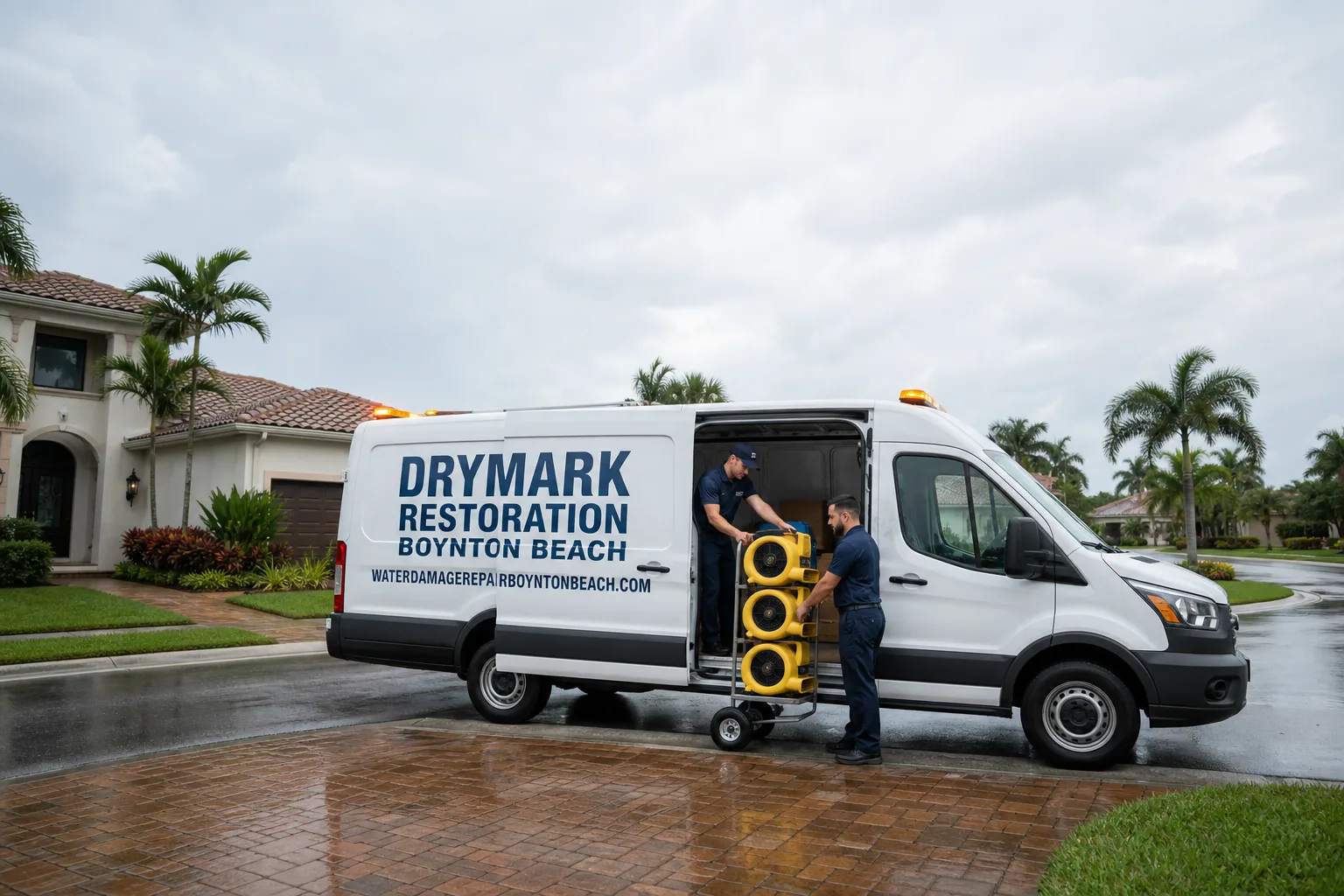
Free visual inspection and a written scope of work before any mitigation begins - photos, moisture readings, and drying logs go in your claim file
The scope we write is the scope we bill. Anything new gets shown to you, in writing, before we touch it.
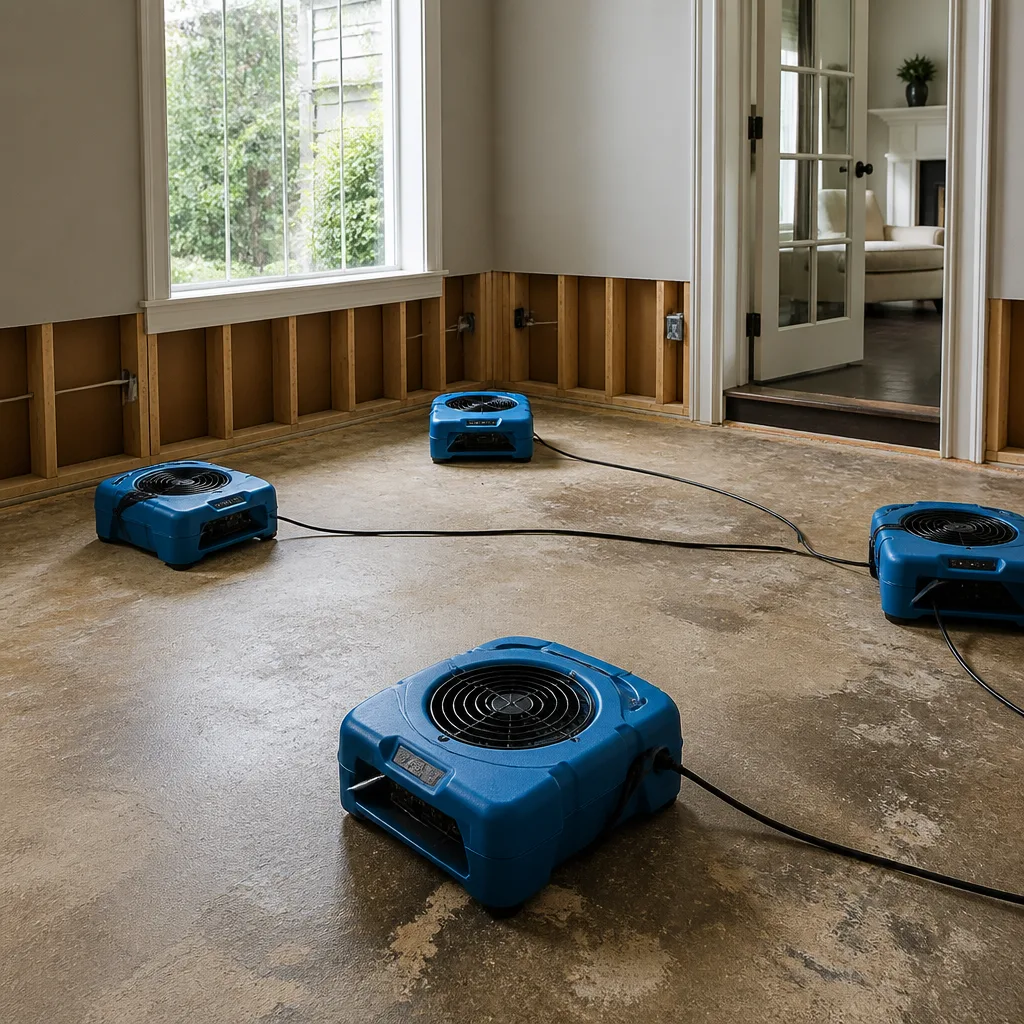
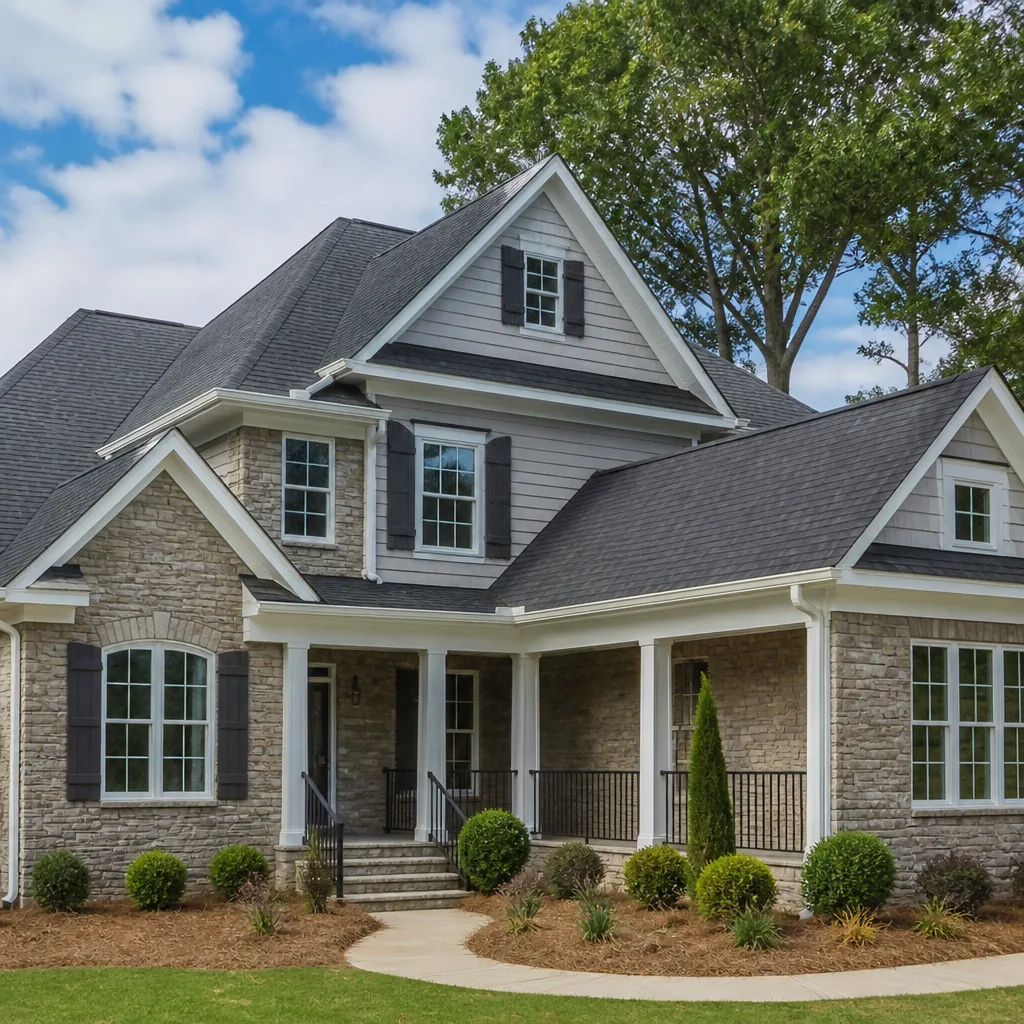
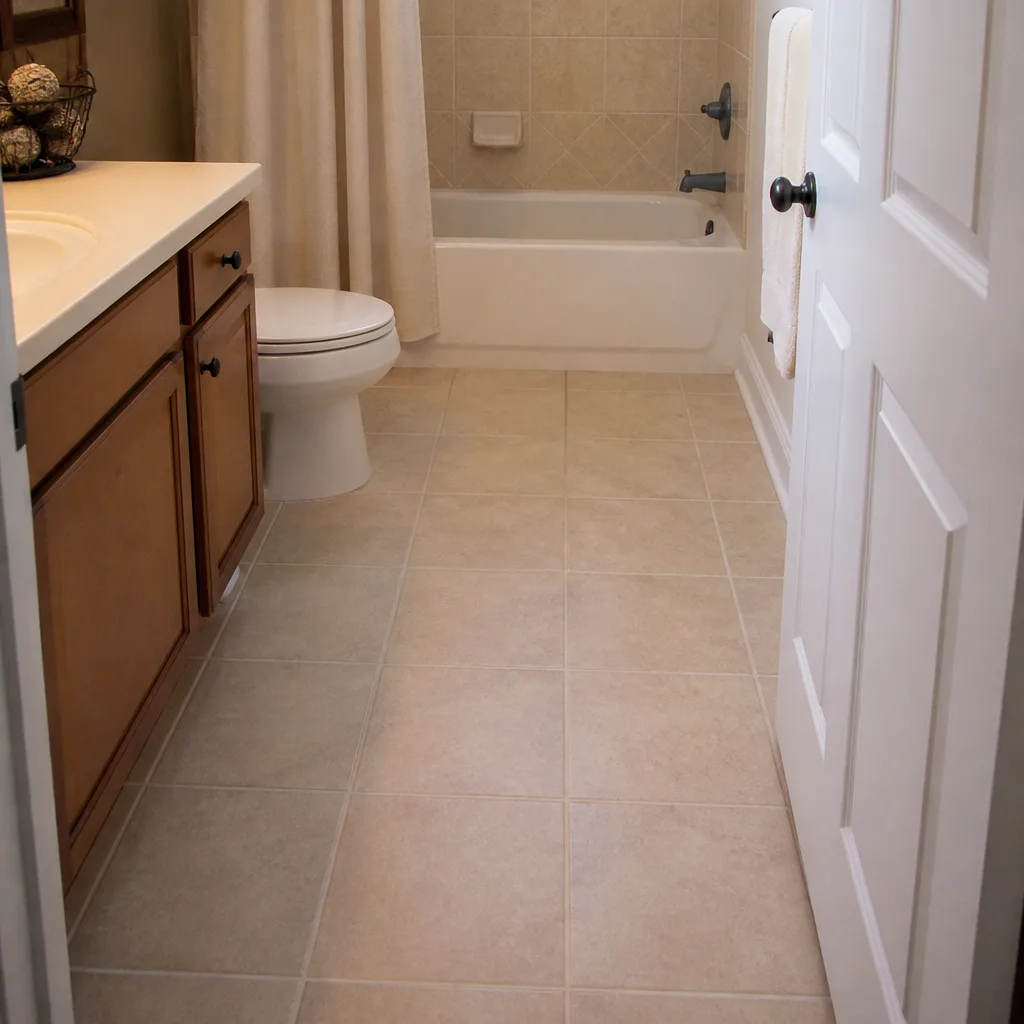
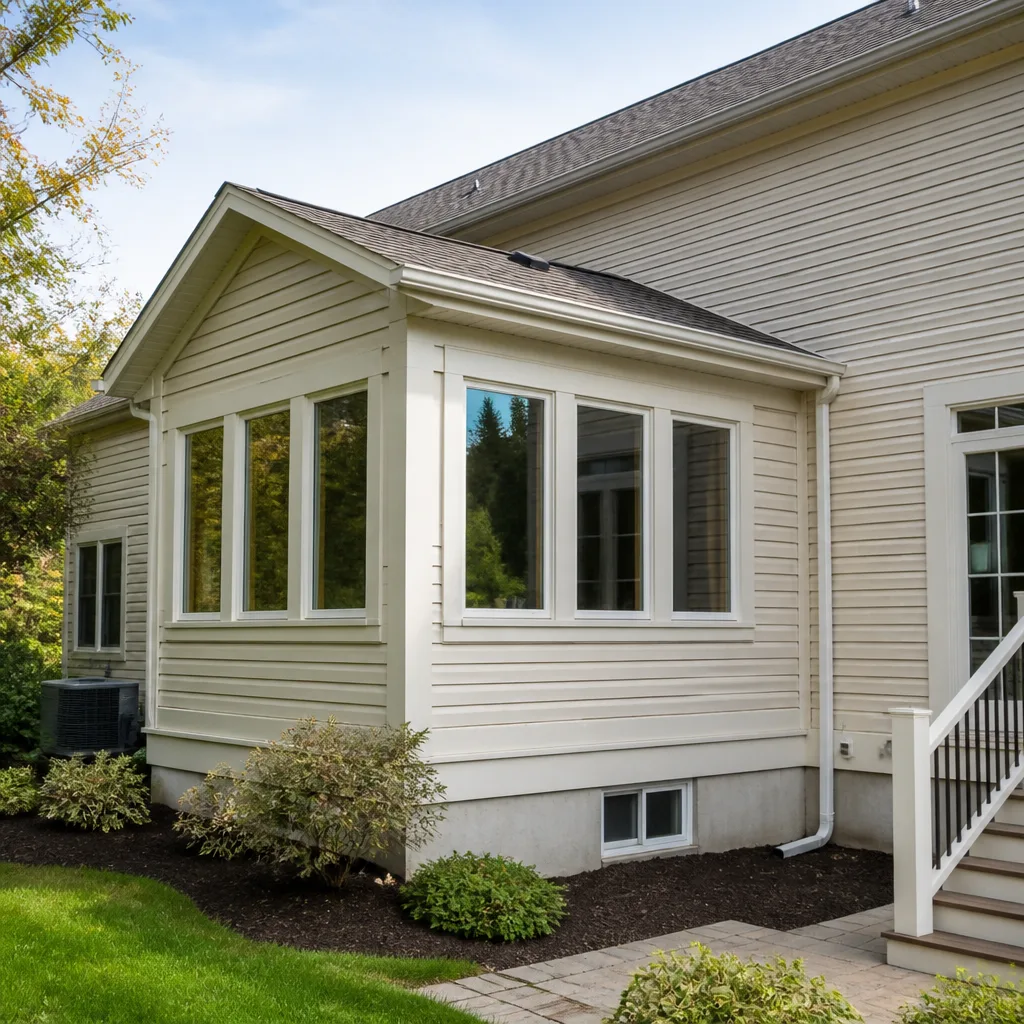
 Before
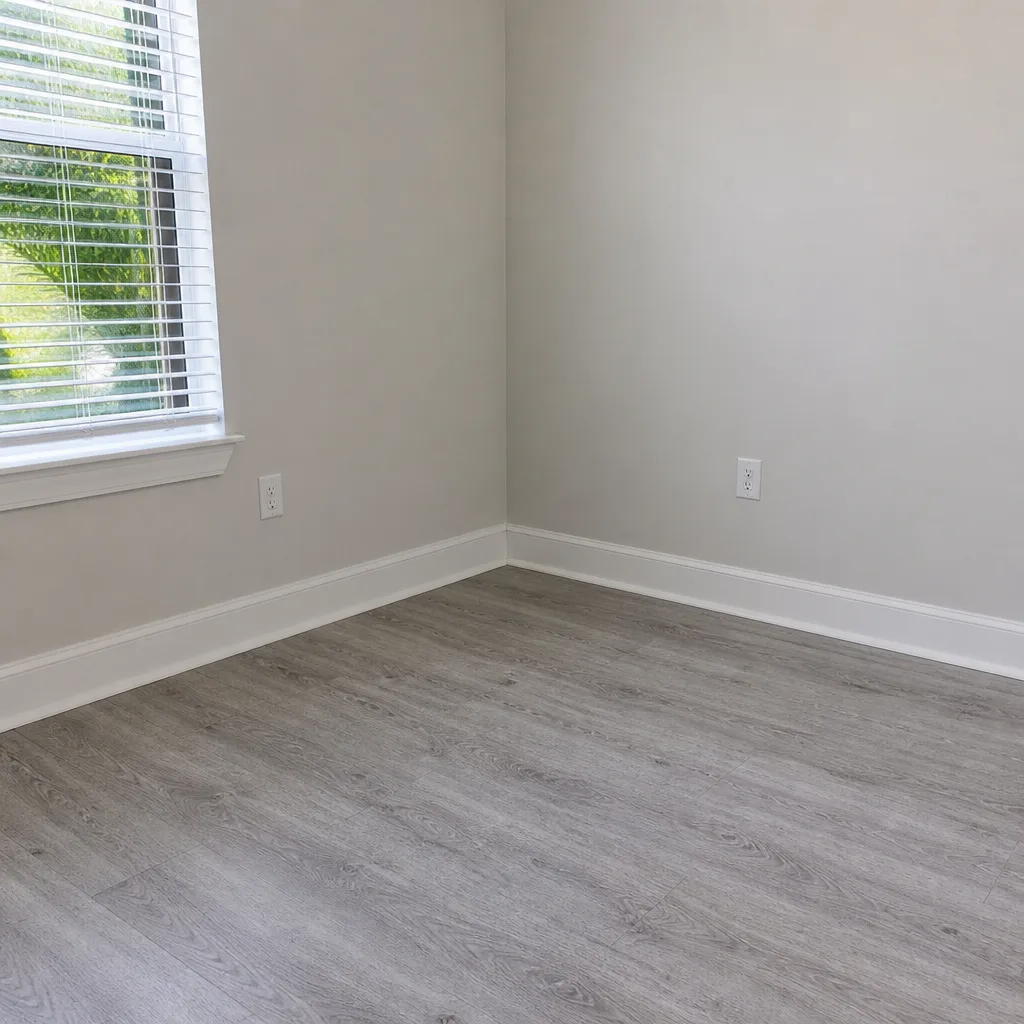 After
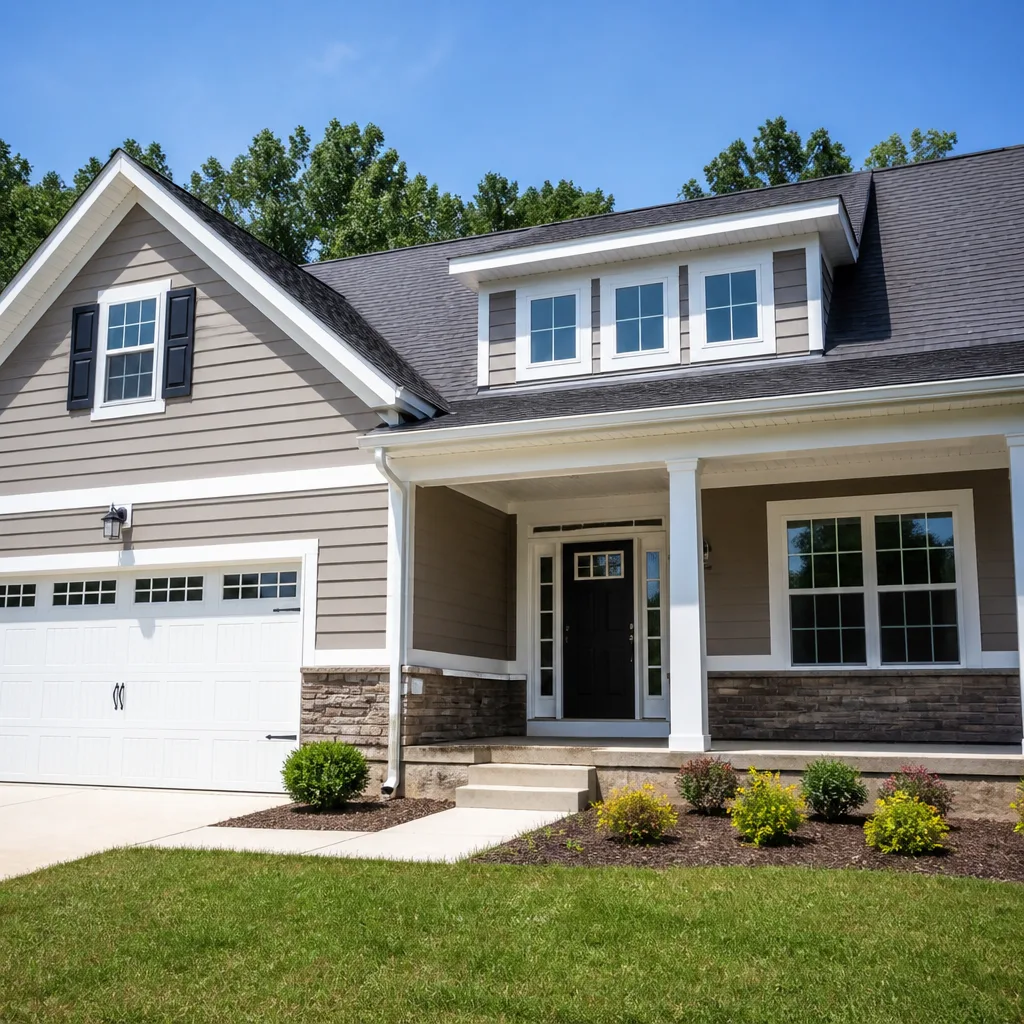
After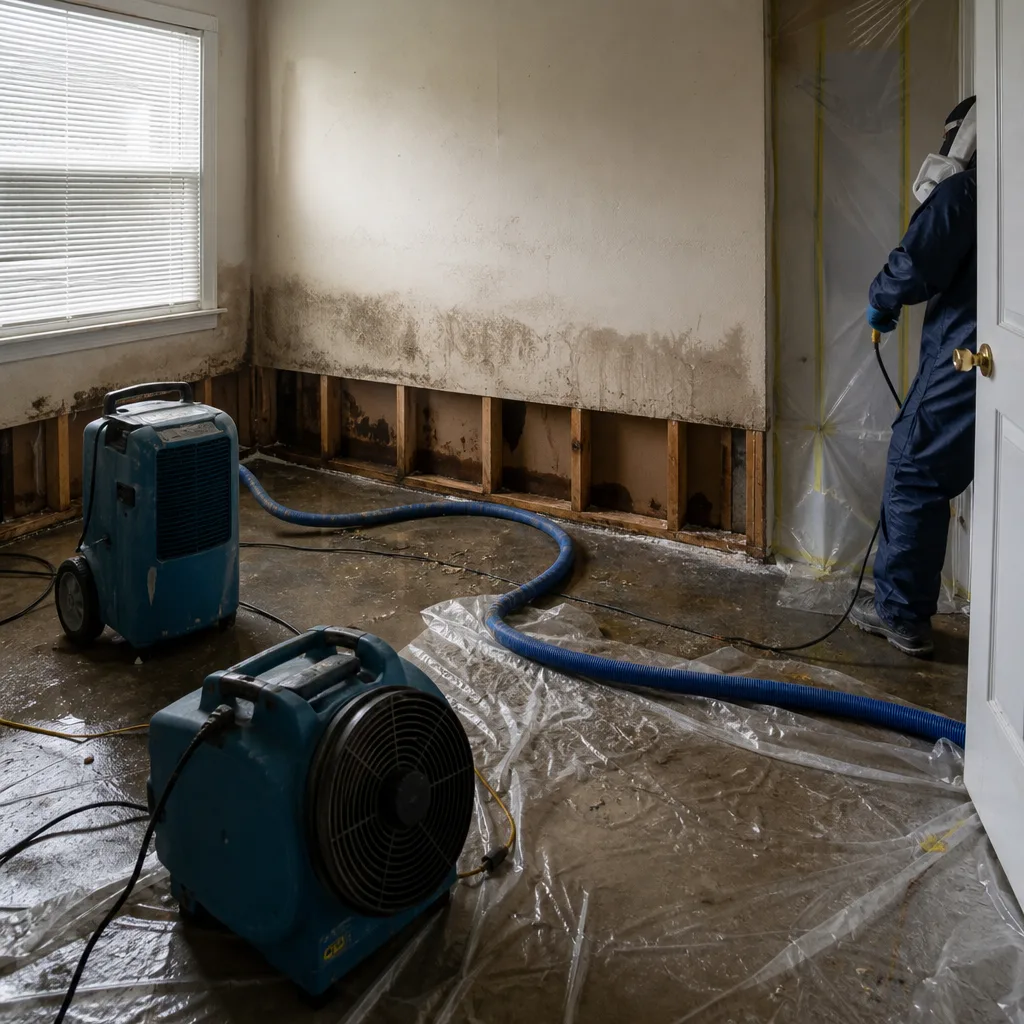 Before
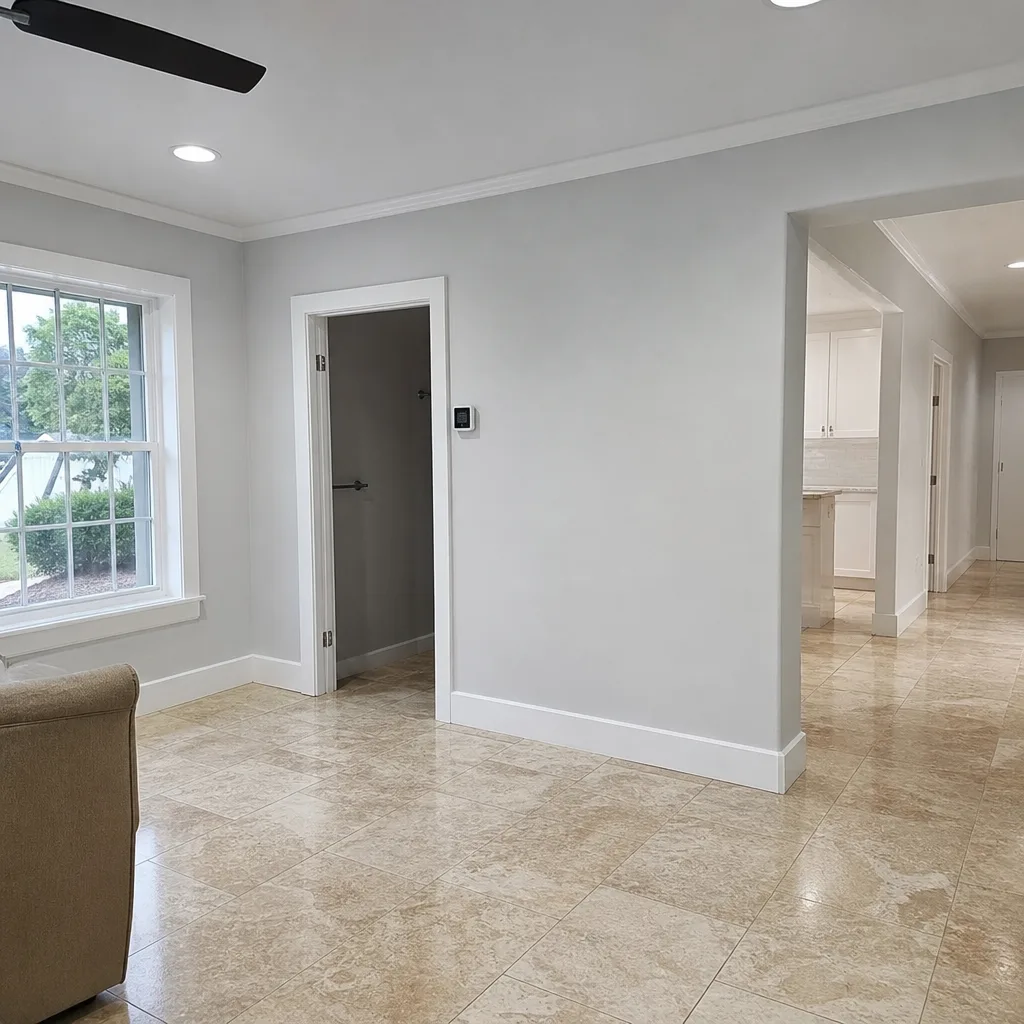 After
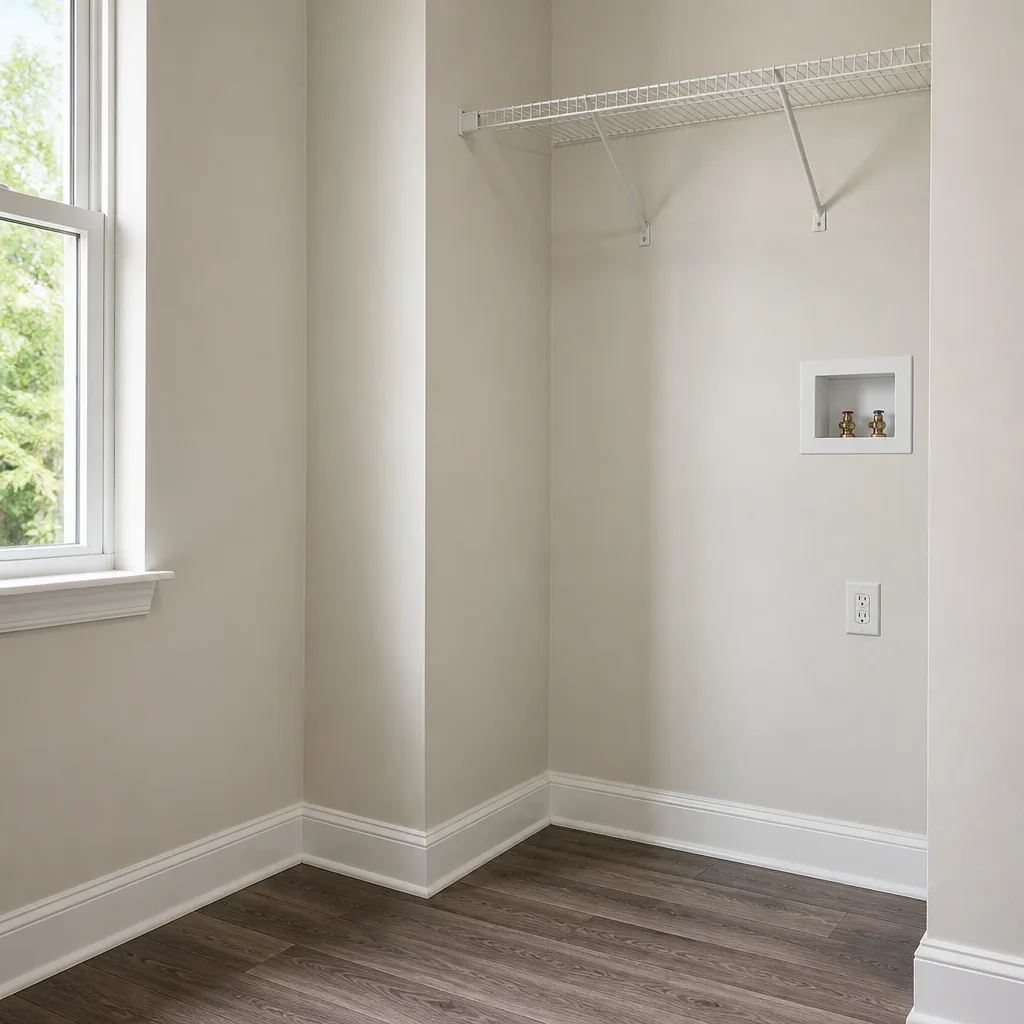
After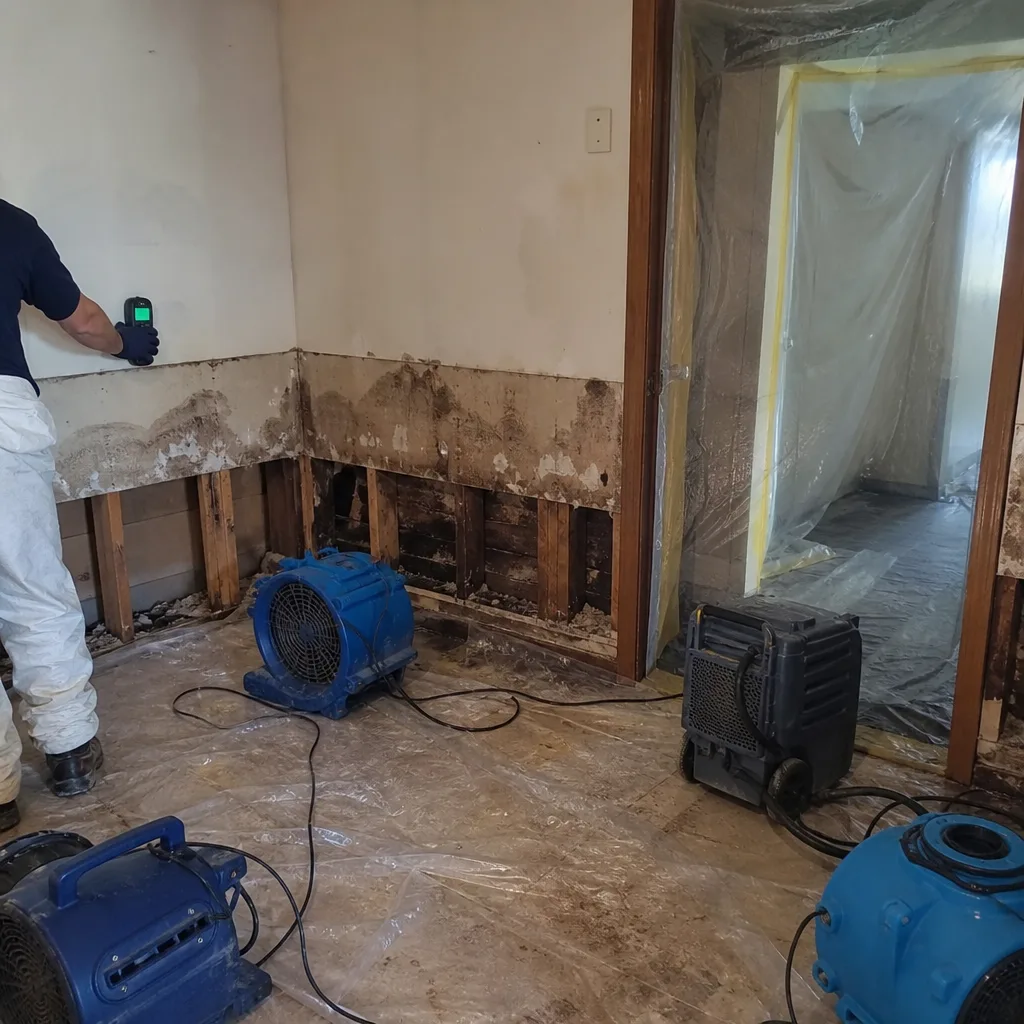 Before
 After
AfterFast, Reliable Water Damage Restoration Across Palm Beach
Water damage restoration in Palm Beach typically runs $2,800-$7,500 for most residential losses, with emergency extraction and initial drying started same-day when you call (754) 227-6524. We’re the Water Damage Restoration team that Palm Beach property managers and seasonal homeowners call when a pipe bursts in an empty Mizner-era estate or storm surge pushes saltwater through coral stone walls. Our crews are dispatched from our Miami office and can be on-site anywhere on the island within 45-60 minutes, carrying the documentation tools and preservation-grade drying equipment that historic properties here require.
Why DryMark Restoration Boynton Beach Is Palm Beach’s Preferred Water Damage Restoration Company
We’ve restored water-damaged homes along the Lake Trail, in the Estate Section, and throughout the Inlet Village since 2011, building our reputation on the documentation that gets claims paid. Our Palm Beach customers leave reviews that specifically mention our written scopes, our photo records, and the fact that we show up when we say we will - not vague promises, but timestamped arrival logs. Response time to Palm Beach averages under an hour for emergency calls, because we understand that on a barrier island with dual-front flood exposure, water doesn’t stop moving while you wait. We know the Town’s permitting requirements, the Landmarks Preservation Commission’s material standards, and the specific moisture behavior of oolitic coral stone and lime plaster - knowledge that prevents costly rework on historic properties.
Our Water Damage Restoration Services in Palm Beach
Emergency Water Extraction
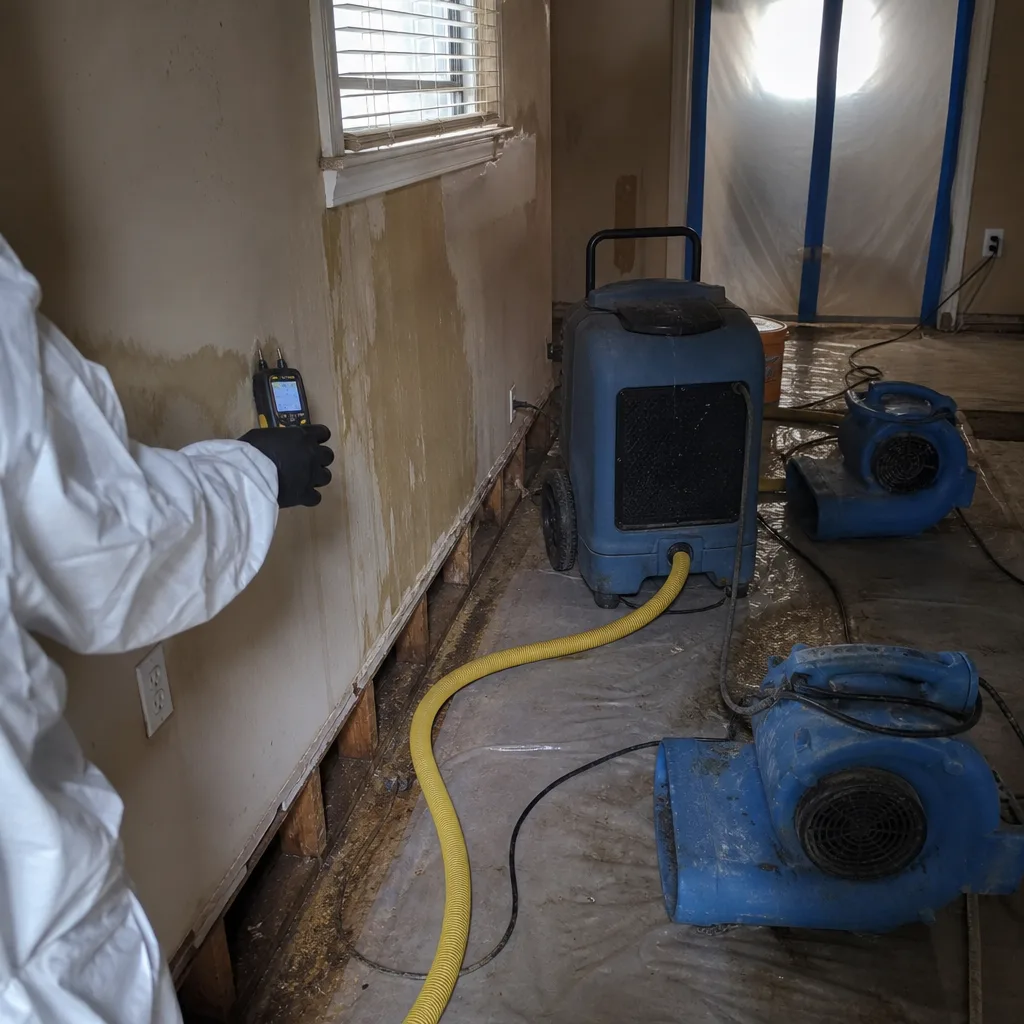
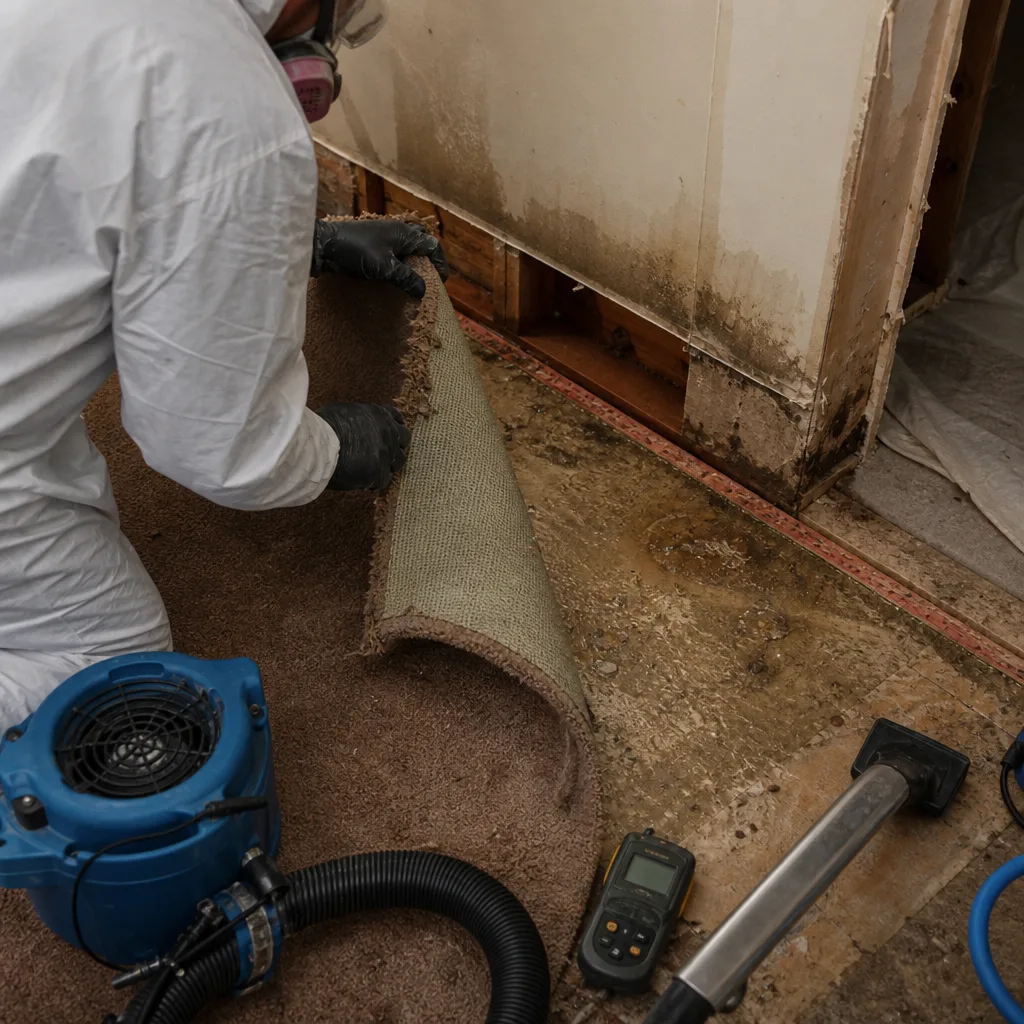
When a supply line ruptures in a seasonal residence on El Bravo Way or storm surge floods a ground-floor condo on South Ocean Boulevard, our first move is extraction with truck-mounted systems and portable submersibles. We document standing water depth, affected square footage, and material classification before removing a gallon - the photo record starts immediately. In Palm Beach, this matters especially for insurance claims on secondary homes, where adjusters can’t visit in person and rely entirely on our documentation to approve scope.
Structural Drying & Dehumidification
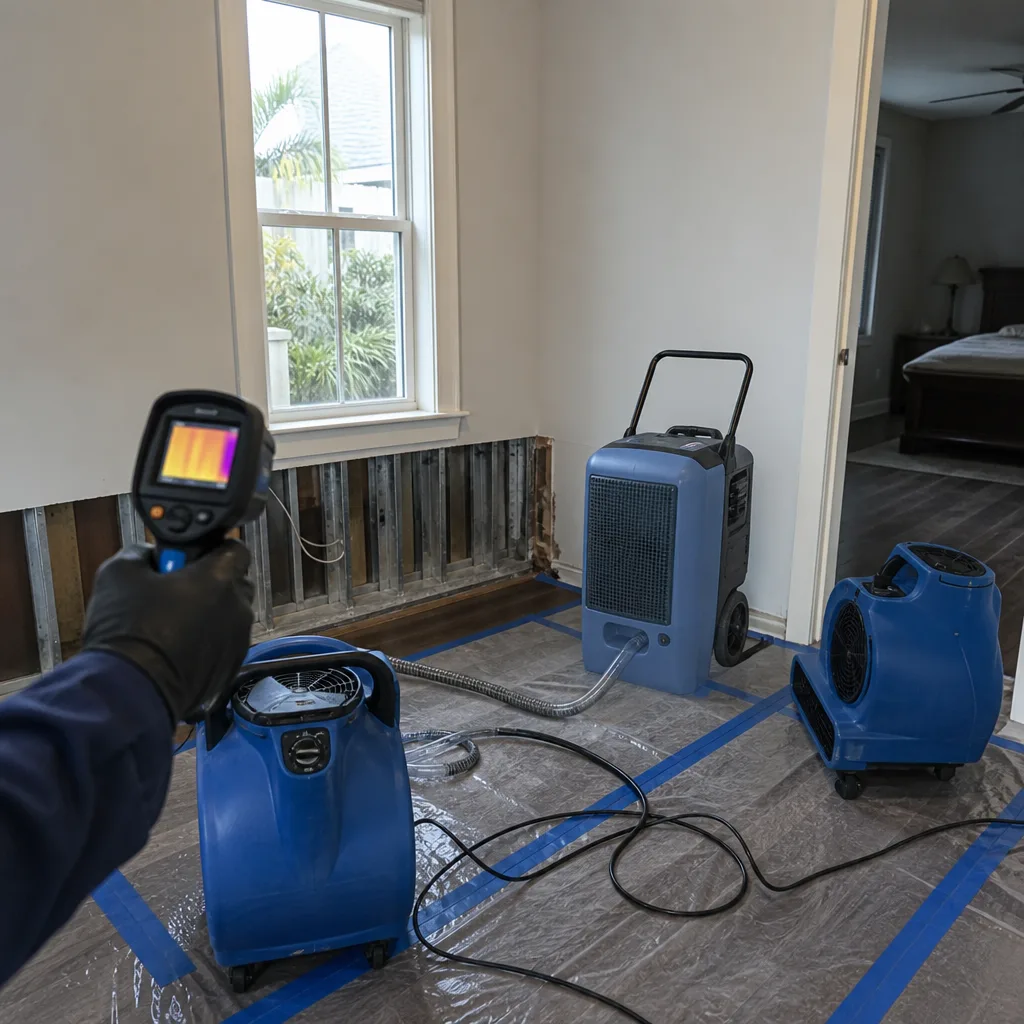
This is where Palm Beach’s historic construction demands a different protocol entirely. Standard drywall jobs get aggressive heat and high-velocity air movers. Mizner-era coral stone, pecky cypress, and lime plaster do not. We deploy Dri-Eaz and Phoenix dehumidifiers with Injectidry mat systems to create low-temperature, low-vapor-pressure drying curves that pull moisture without spalling stone or cracking plaster. Psychrometric data - temperature, relative humidity, and vapor pressure differential, which is the force that actually moves moisture out of materials - is logged daily and delivered with the final invoice. The Haven Standard requires this documentation on every job, because it’s what turns a restoration bill into a payable claim.
Flood Cleanup
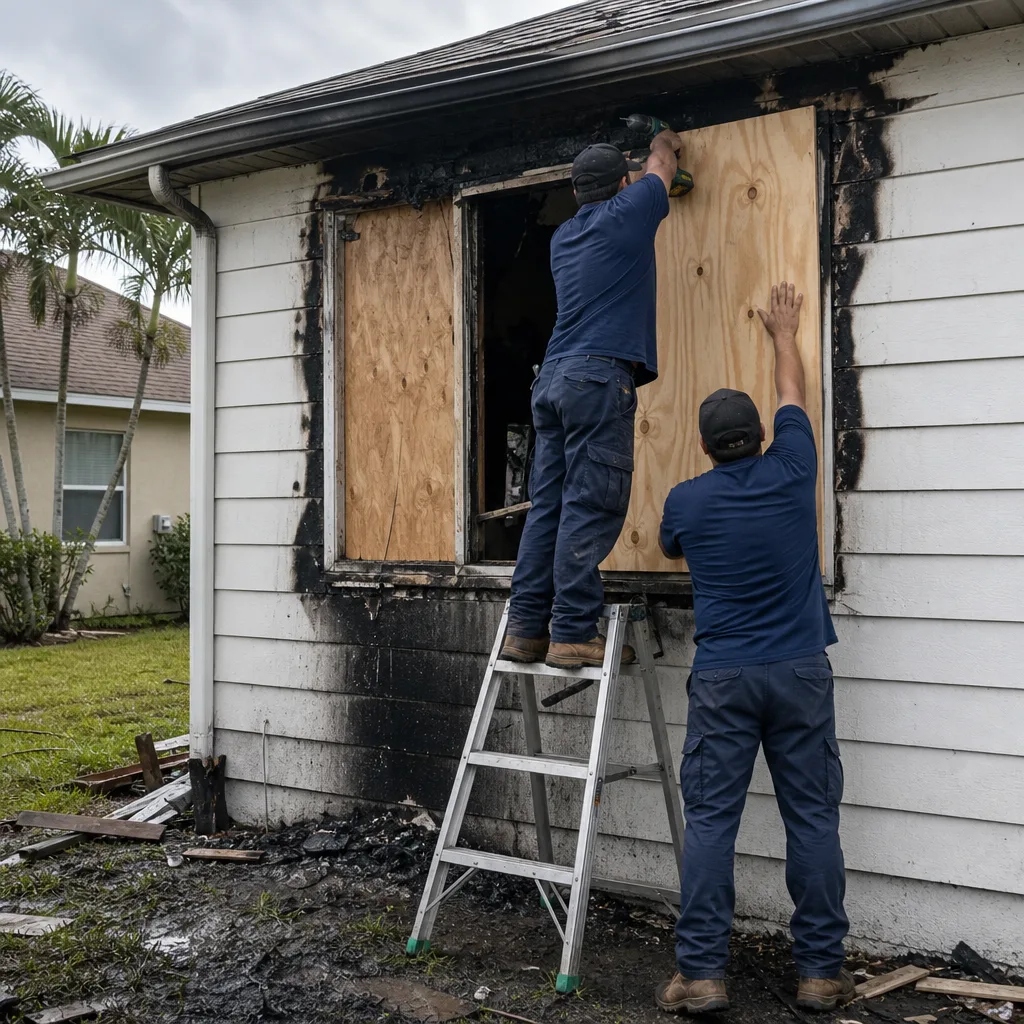
Palm Beach’s position on a narrow barrier island creates a flood threat mainland cities don’t face: storm surge can push ocean water over the dune line while simultaneously forcing Intracoastal water across low-lying western streets, trapping salt-laden moisture inside structures from both directions. Standard extraction isn’t enough. Chloride-laden water left in coral stone masonry continues corroding HVAC coils, electrical panels, and structural fasteners for weeks after the visible water is gone. Our flood cleanup protocol includes chloride testing, specialized flushing for masonry cavities, and corrosion-inhibitor application on exposed metal - documented with photos at each phase.
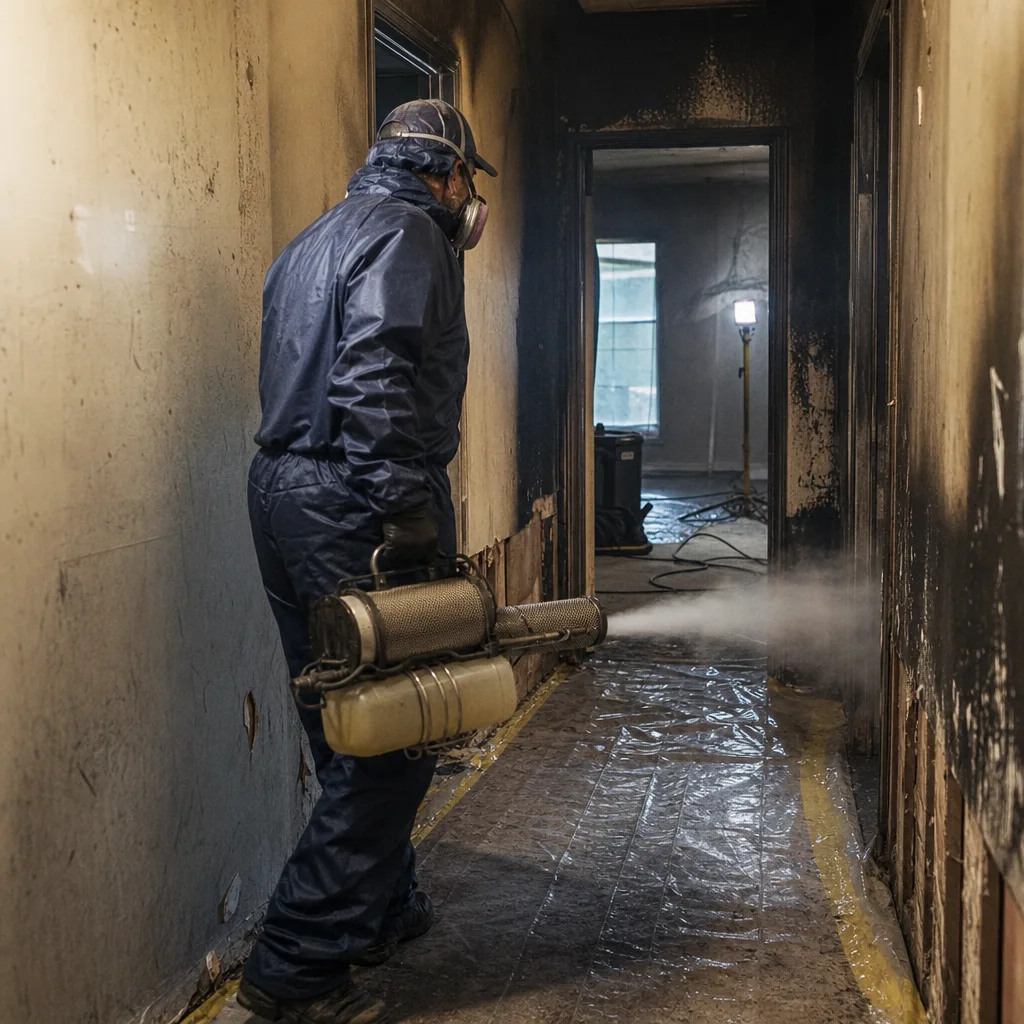
Burst Pipe Restoration
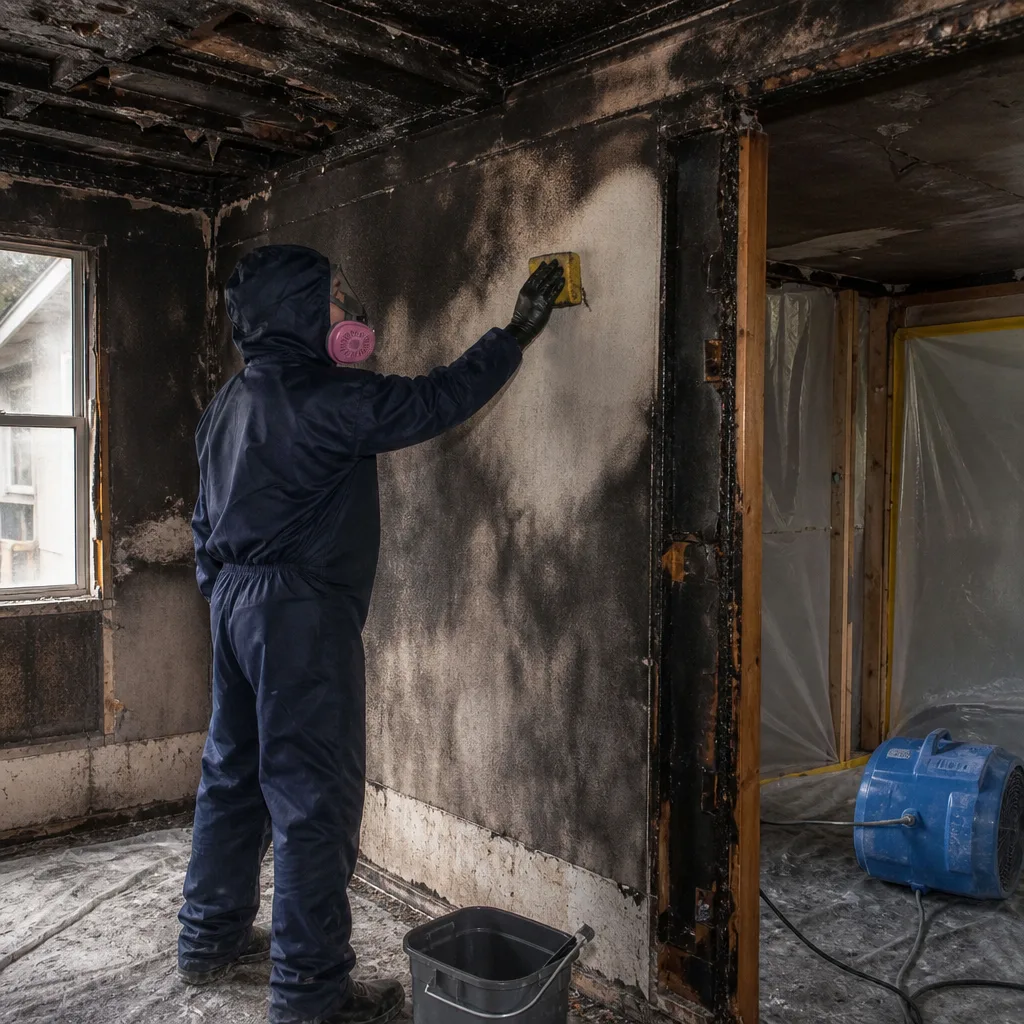
A burst pipe in a Palm Beach seasonal home can run undetected from May through October. By November, when the owner returns, category 2 water has soaked lime plaster for months and mold has colonized pecky cypress framing. We handle the full scope: water extraction, controlled demolition where structurally necessary (with Landmarks Commission pre-approval when required), antimicrobial treatment, drying to IICRC standards, and reconstruction with period-appropriate materials. Every step is photographed, every moisture reading logged, every material choice written into the scope before work begins - Haven Standard, Clause 1.
What happens when you call
- 1
A real person answersNo phone trees - you reach a local pro.
- 2
You get an upfront price rangeHonest numbers before anyone is dispatched.
- 3
A background-checked tech heads outLicensed & insured, dispatched right away.
- 4
You approve before work beginsNothing starts until you say go.
 Before
 After
AfterTrusted Brands We Service in Palm Beach
Our equipment inventory includes professional-grade drying systems from Dri-Eaz, Phoenix, and XPOWER, with Injectidry specialty drying systems for hardwood floors and plaster cavities. We stock replacement components locally for rapid deployment, and our technicians are trained on the specific calibration requirements for high-humidity coastal environments. In Palm Beach, where salt-laden air affects sensor accuracy, this maintenance discipline matters - a miscalibrated humidity sensor can mean the difference between proper drying and a callback for mold six weeks later.
Common Water Damage Restoration Problems We See in Palm Beach Homes
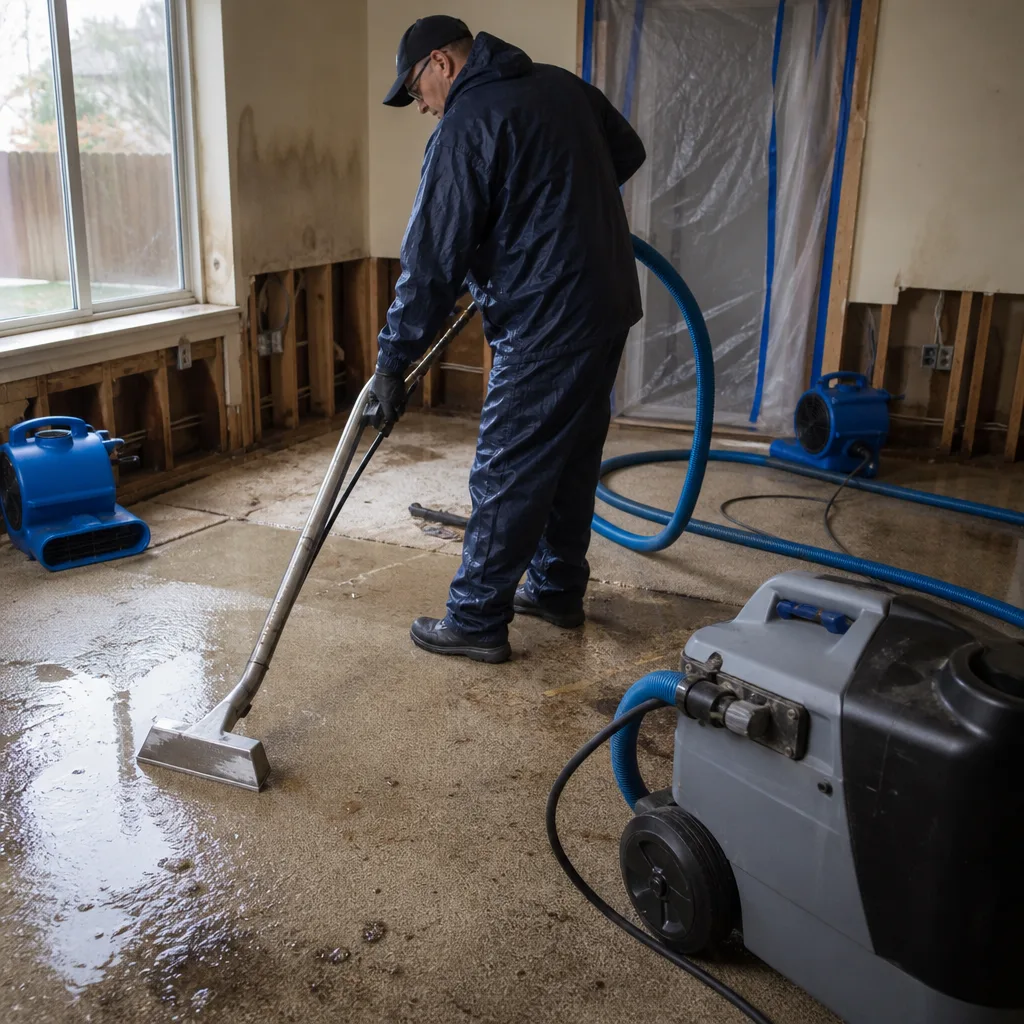
- Seasonal vacancy masking slow leaks. Most Palm Beach estates sit empty from May through October. A pinhole leak in a supply line behind a pecky cypress ceiling can release thousands of gallons before anyone notices, saturating lime plaster and creating category 2 conditions that standard drying protocols can’t address.
- Dual-front saltwater intrusion after storms. Unlike mainland West Palm Beach or Greenacres, Palm Beach faces storm surge from both the Atlantic and the Intracoastal simultaneously. Saltwater penetrates coral stone masonry differently than fresh water, requiring specialized extraction and chloride-removal steps that inland crews often miss.
- Landmarks Preservation Commission requirements on historic fabric. Original hand-painted tile, coral stone, and pecky cypress cannot be removed or replaced without Commission review in many Palm Beach properties. Restoration scopes must document pre-loss condition and propose period-appropriate materials before any demolition begins.
- Accelerated corrosion from constant salt-laden onshore winds. Even without a major flood event, Palm Beach’s coastal environment corrodes HVAC coils, electrical panels, and structural fasteners at rates inland communities don’t experience. Secondary damage from this corrosion often appears weeks after the primary water loss, inflating scope if not anticipated in the initial assessment.
Pricing for Water Damage Restoration in Palm Beach, FL
| Service | Typical Range in Palm Beach |
|---|---|
| Emergency water extraction (initial visit) | $450-$1,200 |
| Structural drying & dehumidification (per day) | $285-$495 |
| Flood cleanup with saltwater remediation | $3,200-$8,500 |
| Burst pipe restoration (full scope, historic property) | $5,500-$18,000+ |
| Basement/crawl space water removal | $1,800-$4,200 |
| Ceiling & roof leak damage repair | $2,400-$6,800 |
These ranges reflect Palm Beach’s specific conditions: higher-end finishes, historic material requirements, and the documentation burden that insurance carriers expect for secondary-home claims. What drives cost upward is scope complexity - a standard drywall tear-out in a 1990s condo runs lower; a Landmarks Commission-compliant restoration of original Mizner-era fabric runs higher. We deliver a written price before any work begins, every time, with no additions once the crew is inside - Haven Standard, Clause 1. Call (754) 227-6524 for a free estimate, or bring a competitor’s written quote for our Free Second Opinion.
We Also Serve Cities Near Palm Beach
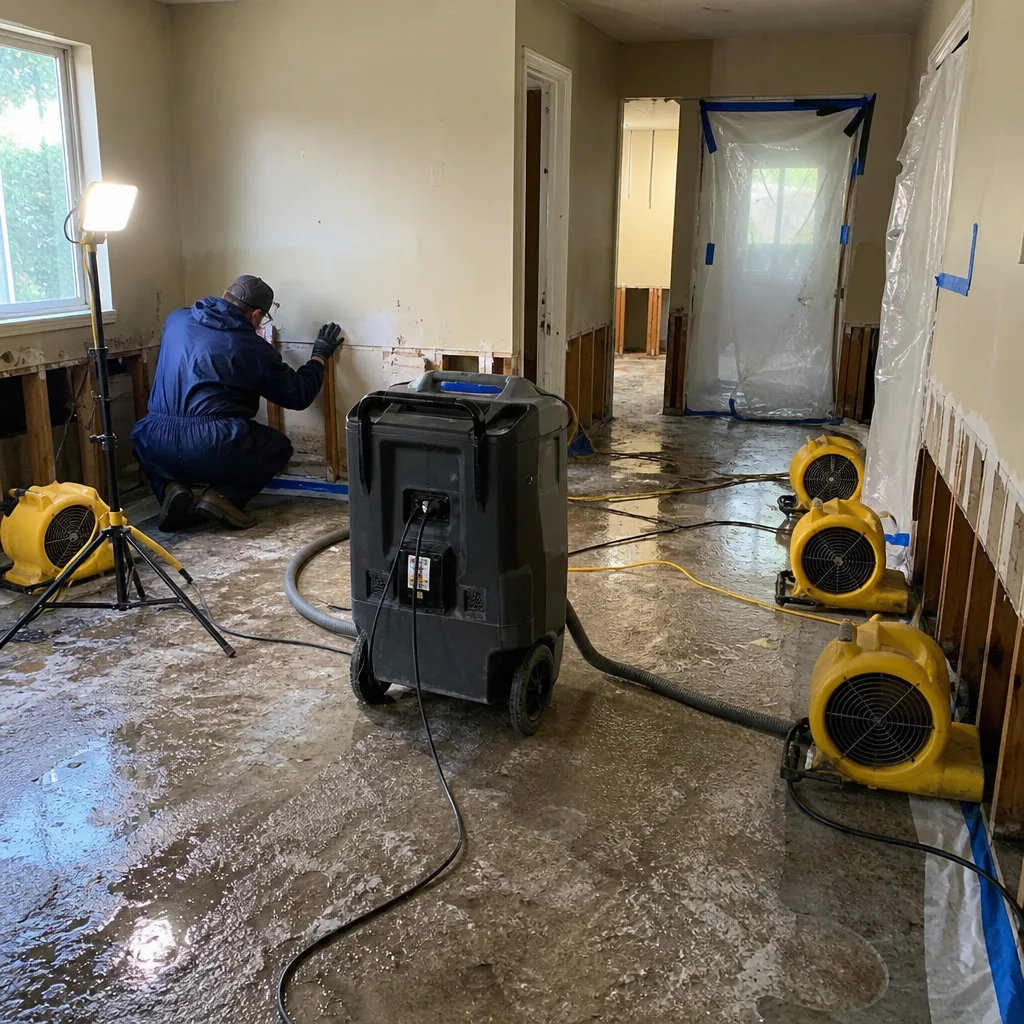
Our Water Damage Restoration in Palm Beach crews also respond to water damage calls in West Palm Beach, North Palm Beach, Greenacres, and Palm Beach Gardens. Each city has distinct flooding patterns and building stock, and our documentation protocols adapt accordingly - but the Haven Standard applies everywhere: written price first, photo record on every visit, 365-Day Done Right Promise on every job.
Serving Palm Beach, FL - Our Local Coverage Area
We’re based in the Palm Beach area and know this community well. Use the map below to see our service coverage - if you’re nearby, we can almost certainly help.
FAQs - Water Damage Restoration in Palm Beach
Yes, in many cases we can preserve original historic fabric using controlled, low-temperature drying with Injectidry mat systems and Phoenix dehumidifiers calibrated for slow moisture release from dense masonry and timber. The key is vapor pressure differential management - creating enough drying force to pull water without thermal shock that cracks lime plaster or spalls coral stone. We document pre-loss moisture readings, establish a preservation-compliant drying curve, and photograph daily progress. Not every saturated wall can be saved, but our first assumption on a landmarked Palm Beach property is conservation, not demolition. Call (754) 227-6524 to discuss your specific situation.
The damage is usually extensive by discovery, but it’s still recoverable with the right protocol. We start with moisture mapping through all cavities - pecky cypress ceiling bays, coral stone wall voids, subfloor spaces - to find every affected area, not just the visible stain. Category 2 water that’s been sitting for months requires antimicrobial treatment before drying begins. We also coordinate with your property manager and, when needed, the Landmarks Preservation Commission for any demolition of historic fabric. The photo record we create serves both your insurance claim and any Commission review. Call (754) 227-6524 - we handle vacant-property access and documentation start to finish.
Yes, fundamentally. Storm surge in Palm Beach carries saltwater, sediment, and often contaminants from both the Atlantic and the Intracoastal - it’s category 3 water requiring full PPE, specialized extraction, and chloride-removal protocols. Salt residue left in coral stone or behind baseboards continues drawing moisture and corroding metal for weeks. A clean supply-line leak is category 1 or 2, depending on duration, and can often be dried in place with less invasive methods. We test water classification on arrival and adjust our scope accordingly - documented in writing before work begins, per Haven Standard, Clause 1.
Yes. The oceanfront and Intracoastal high-rises along South Ocean Boulevard and Royal Palm Way contain integrated smart-home infrastructure - automated lighting, climate control, security, and audio systems - that adds significant liability to any water loss. Our technicians document every affected component, coordinate with building management on common-area access, and work with your smart-home integrator on replacement scope. The drying equipment we use, including XPOWER air movers with variable speed control, is selected to avoid electromagnetic interference with active systems. Photo documentation includes every junction box, control panel, and wired sensor.
Constant onshore winds deposit chloride particles on every surface, so when water intrusion occurs, that salt activates immediately - accelerating corrosion of electrical components, HVAC coils, and structural fasteners beyond what fresh-water damage alone would cause. We see this as secondary damage weeks after the primary event, when a homeowner thinks the job is done. Our Palm Beach protocol includes chloride testing on all metal components post-drying, corrosion-inhibitor application where indicated, and explicit documentation of pre-existing salt exposure for insurance carriers. This prevents claim disputes when corrosion appears months later. Call (754) 227-6524 for an assessment that accounts for coastal conditions.
Written by Alicia Brennan, Owner at Back to Dry Restoration, serving Palm Beach since 2011.