
Last updated September 23, 2026
Free visual inspection and a written scope of work before any mitigation begins - photos, moisture readings, and drying logs go in your claim file
The scope we write is the scope we bill. Anything new gets shown to you, in writing, before we touch it.

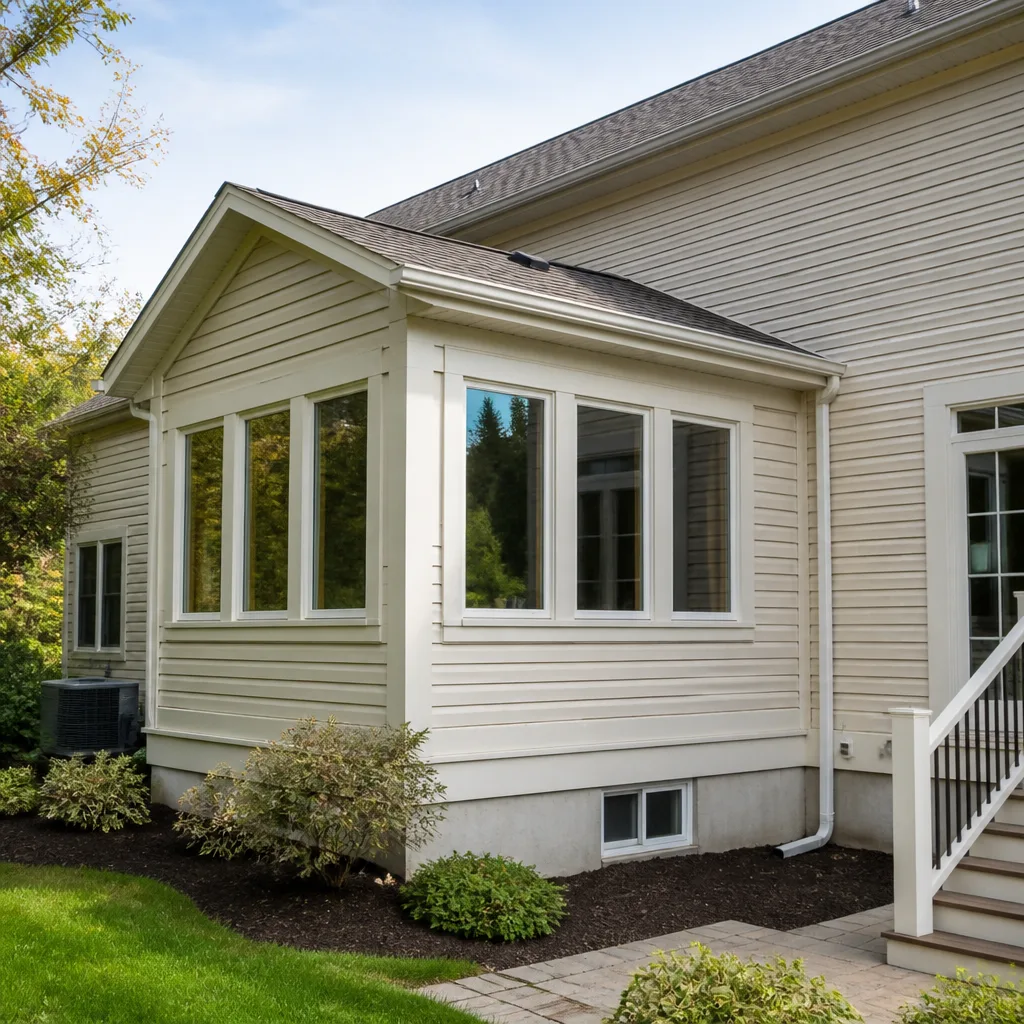
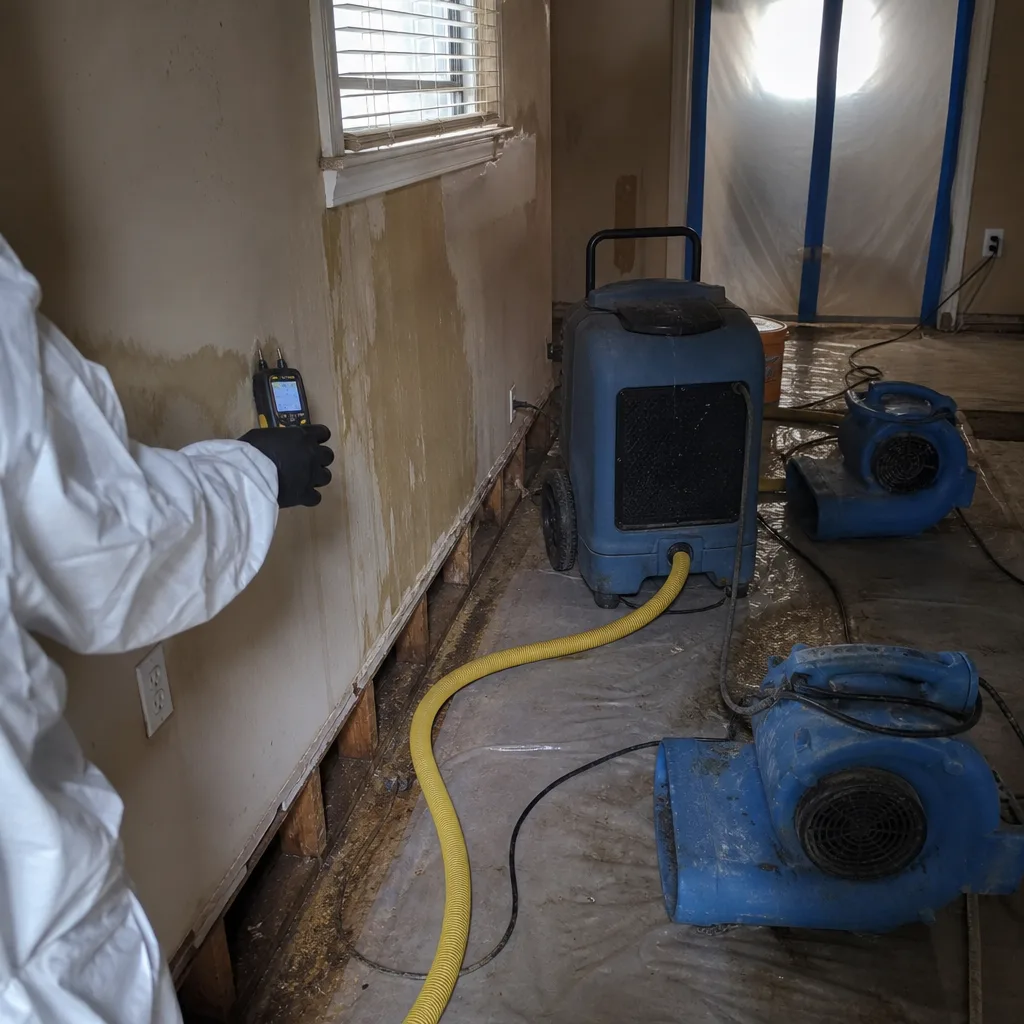 Before
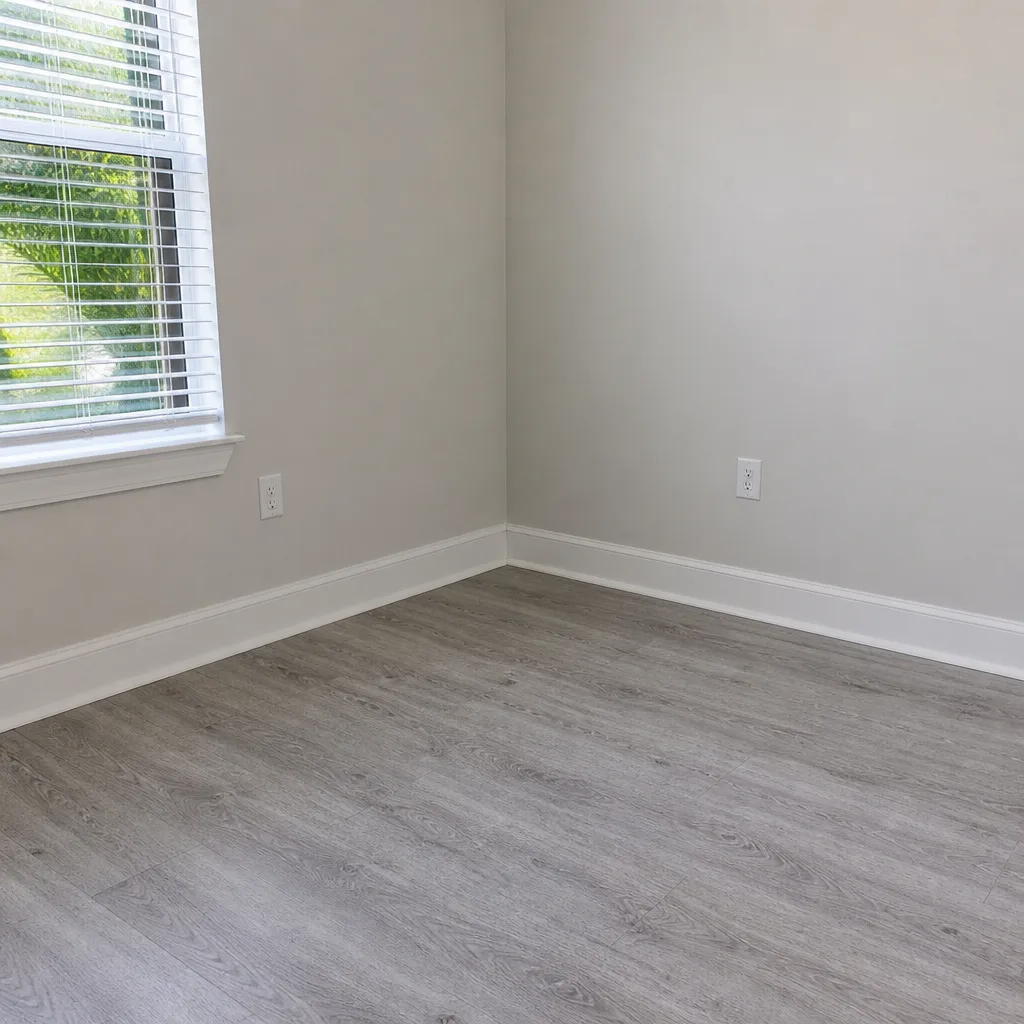 After
After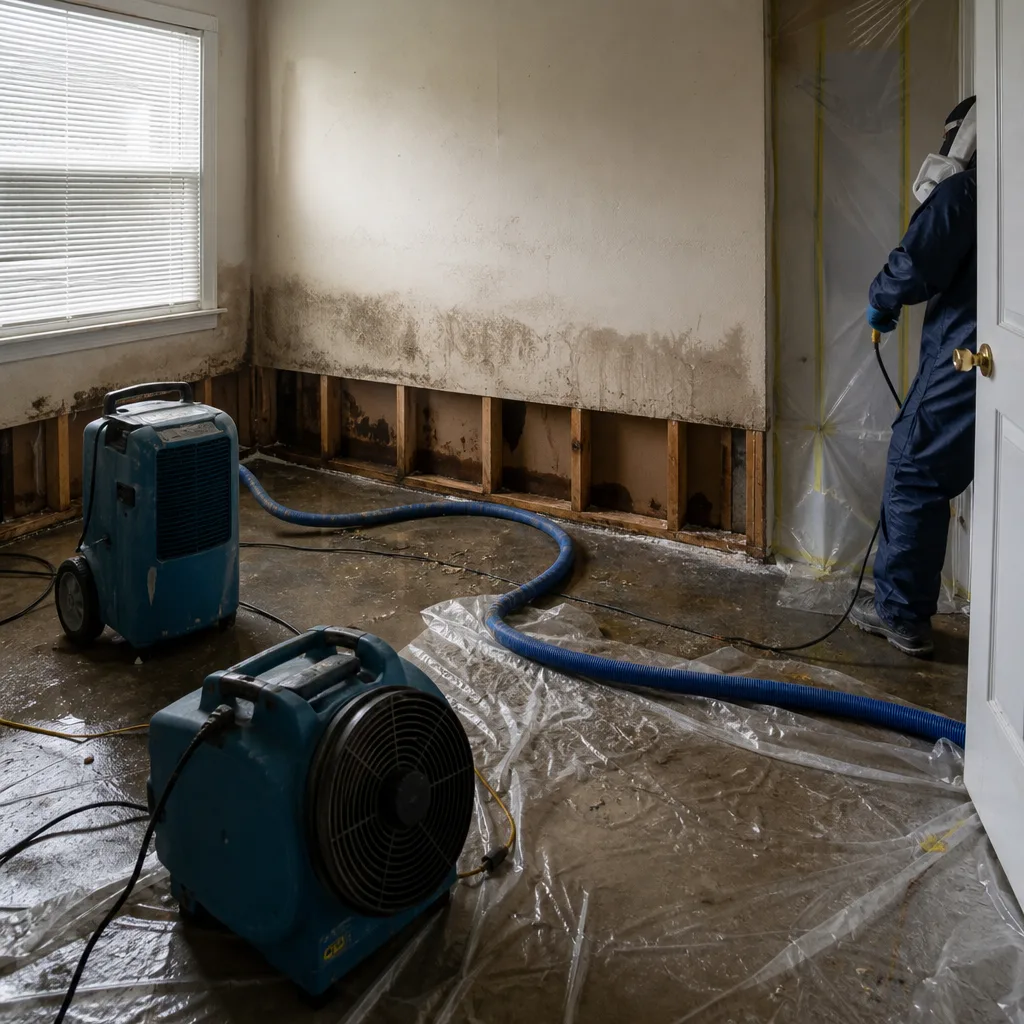 Before
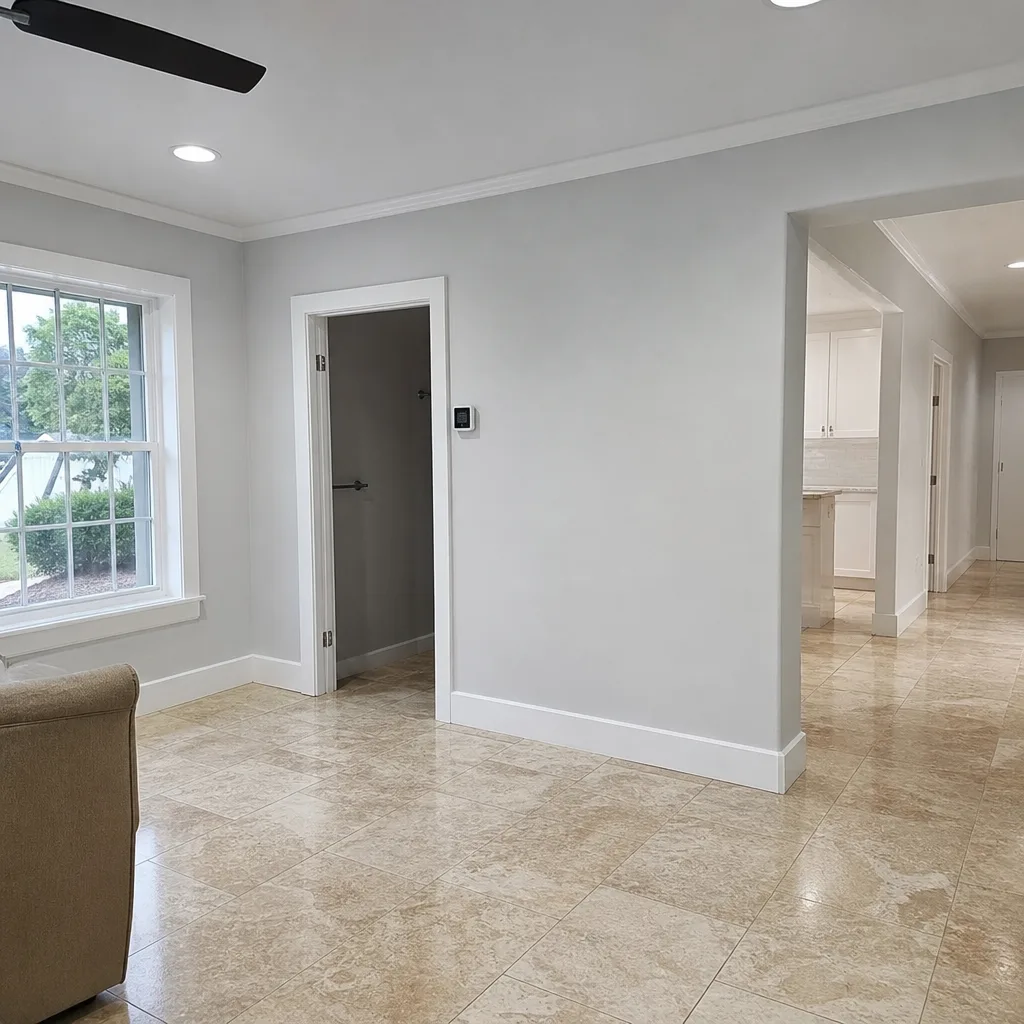 After
After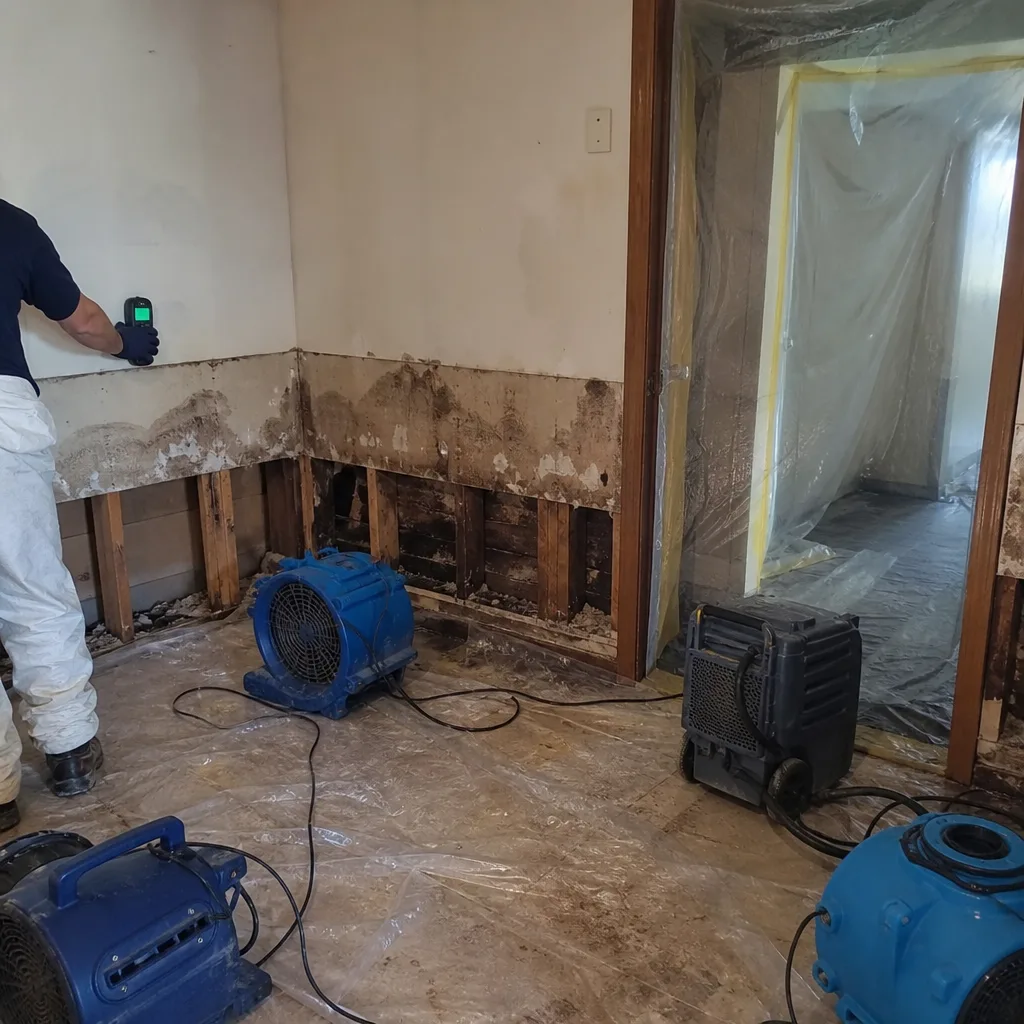 Before
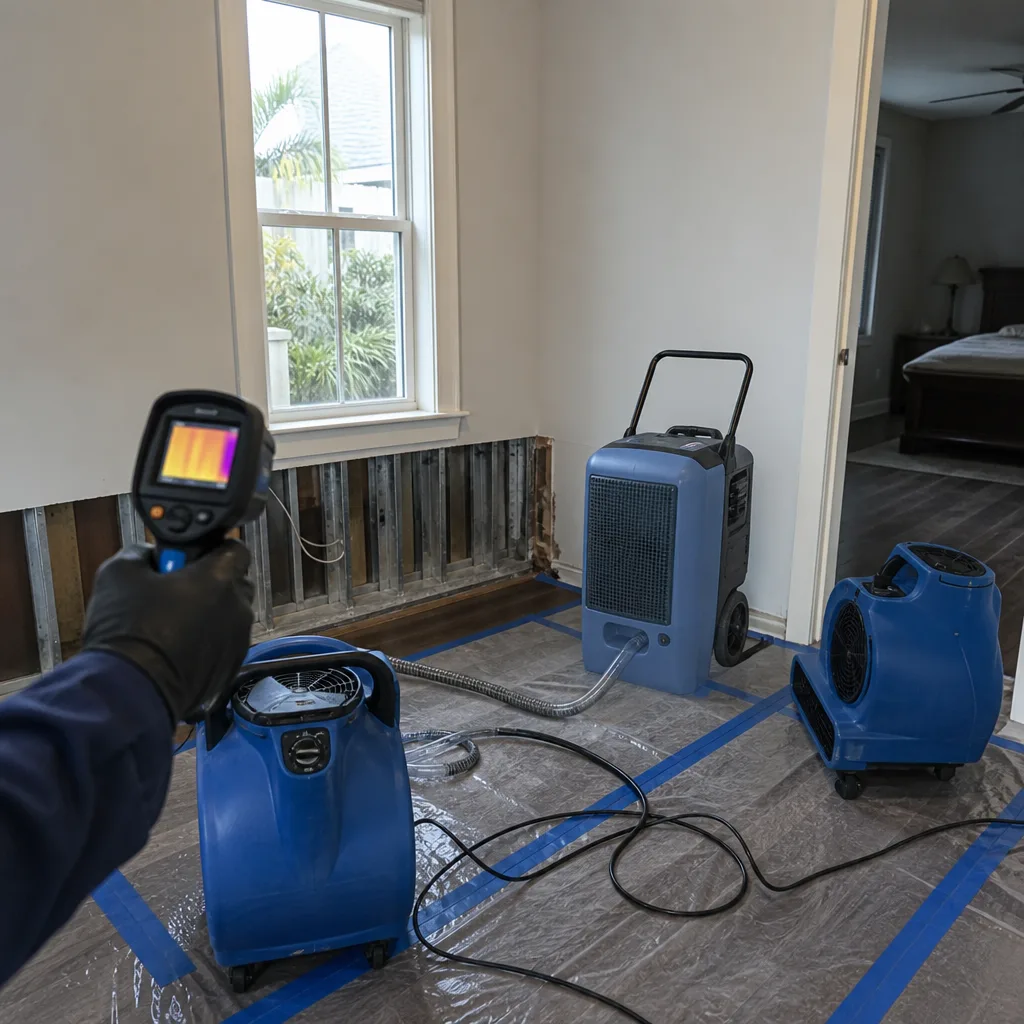 After
AfterThe Complete Guide to Damage Restoration in Boynton Beach
The average denied or underpaid property claim in Florida isn’t rejected because damage didn’t happen - it’s rejected because the restoration file couldn’t prove the damage was mitigated to IICRC S500 standard. In Boynton Beach, where coastal humidity hovers at 70-80% RH year-round and summer storms can push water through seemingly intact roofs, the difference between a paid claim and a disputed one often comes down to paperwork the homeowner never knew to request. This guide walks through every phase of damage restoration by the documentation it should produce, not by the promises a contractor makes at your door. For more guides & resources on protecting your property and claim, see our blog.
Quick Answer
Damage restoration in Boynton Beach is the documented process of returning a property to pre-loss condition after water, fire, mold, storm, or biohazard damage. A properly executed job produces four deliverables: a written scope and price before work begins, daily drying logs with psychrometric readings, a photo record of every visit, and a Certificate of Completion with equipment serial numbers and moisture verification. Without these documents, your insurance claim is vulnerable to denial.
Table of Contents
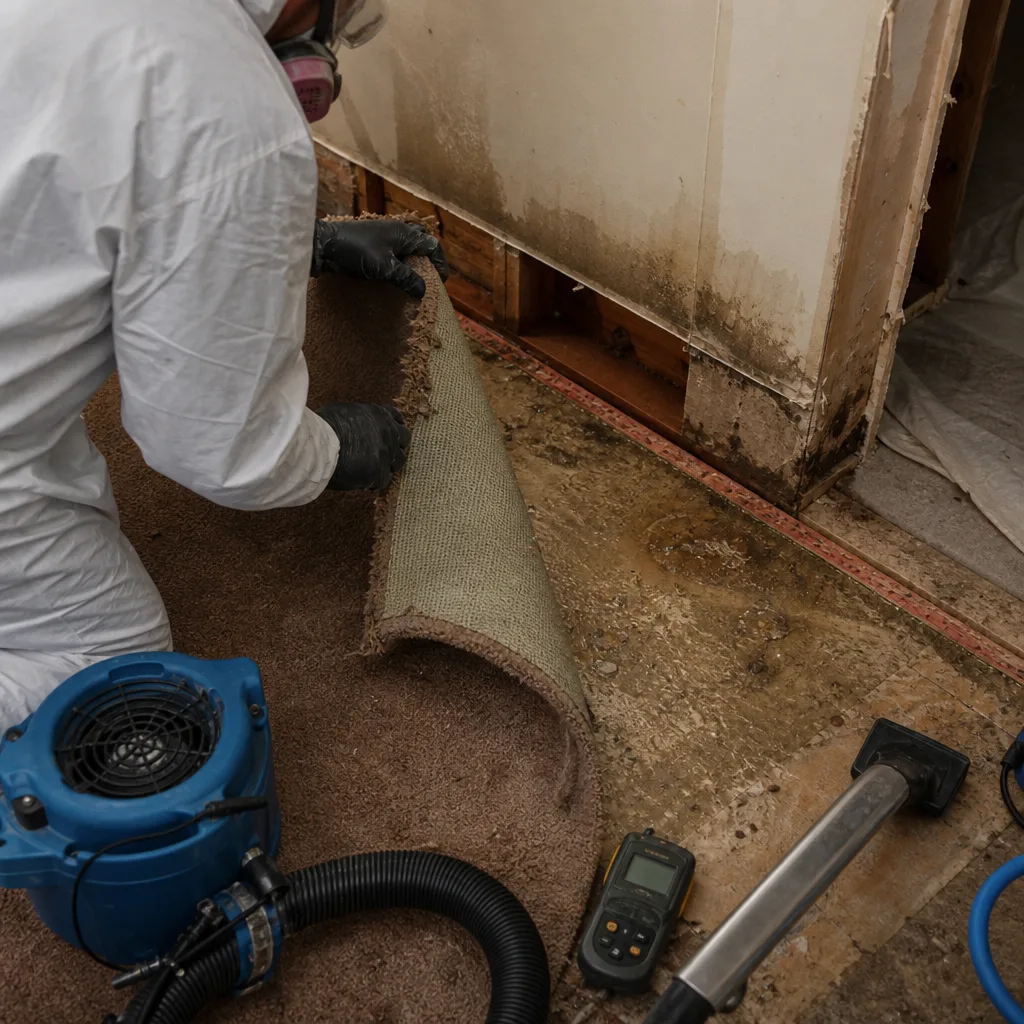
- The Four Phases of Restoration (and What You Should Receive at Each)
- What a Compliant Drying Log Actually Contains
- How Boynton Beach’s Coastal Humidity Changes Everything
- Written Scope vs. Verbal Estimate: Why Only One Protects You
- How to Read Your Certificate of Completion
- The Documentation Gap That Costs Homeowners Their Claims
- Choosing a Restoration Contractor in Boynton Beach
- Common Mistakes to Avoid
- When to Call a Professional
- Frequently Asked Questions
 Before
 After
AfterThe Four Phases of Restoration (and What You Should Receive at Each)
Every restoration job, whether it’s a burst pipe in a Boynton Beach Shores condo or fire damage in a Coral Lakes townhome, moves through four distinct phases. Each phase has a specific deliverable. If your contractor can’t hand you the document described below, the phase isn’t complete.
Phase 1: Emergency Mitigation
This is the “stop the bleeding” phase. For water damage, it means extraction, containment, and establishing a drying perimeter. For fire damage, it’s board-up, soot containment, and initial deodorization. The deliverable at this stage is a Mitigation Report that includes:
- Time of arrival and crew identification
- Category of water or classification of fire/smoke damage (Category 1, 2, or 3 per IICRC S500; Class 1-4 fire per RIA guidelines)
- Initial moisture readings or soot sampling results
- Photos with timestamps showing condition at arrival
- Immediate safety hazards identified and addressed
In our experience working across Boynton Beach since 2011, the most common mitigation failure we see is a crew that extracts standing water but never establishes a drying perimeter - no containment, no dehumidification, no documentation of where the moisture boundary was set. By day three, that moisture has migrated through drywall and into adjacent rooms, turning a contained loss into a whole-house claim that insurers scrutinize heavily. These are the kinds of damage restoration warning signs Boynton Beach homeowners should watch for before a small loss becomes a disputed claim.
Phase 2: Drying and Stabilization
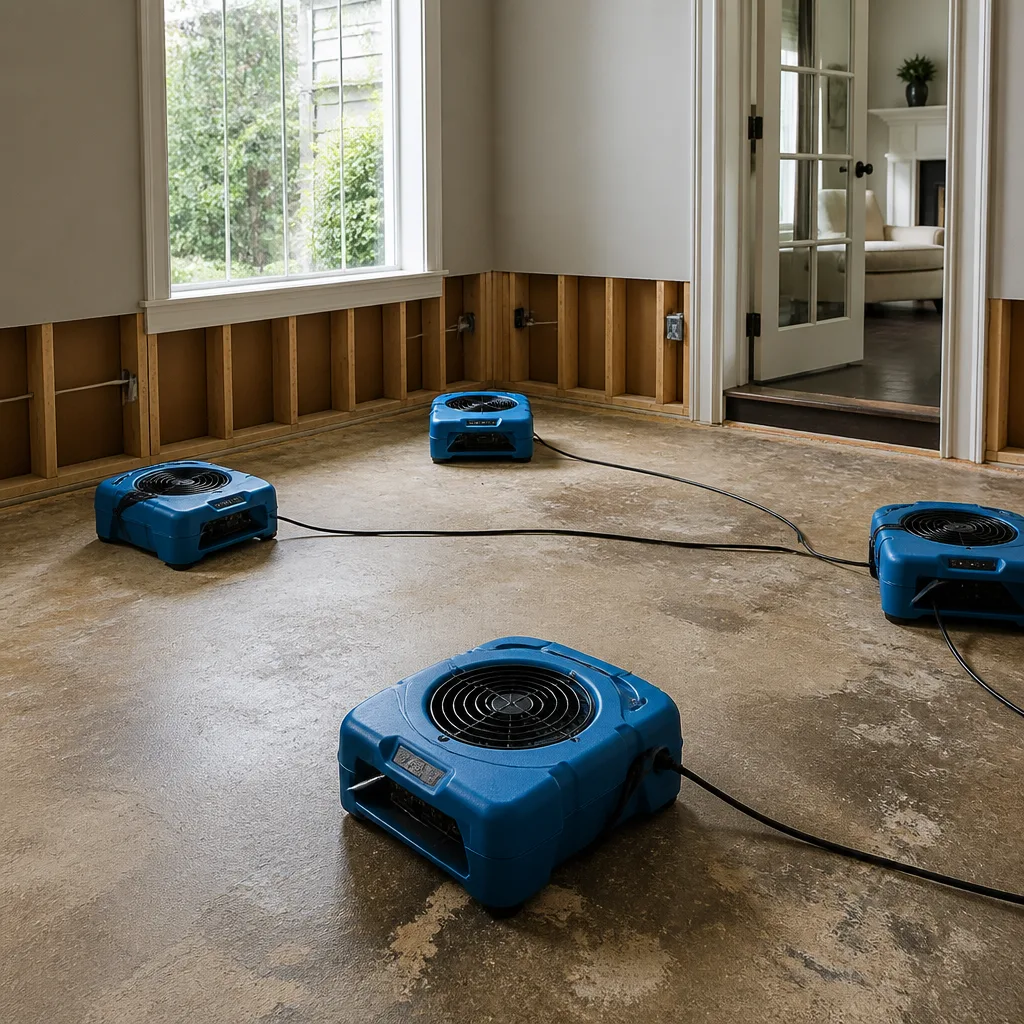
This is where equipment runs and readings are taken. The deliverable is a Daily Drying Log (covered in detail in the next section). The phase ends when materials reach their drying goal, verified by moisture content readings, not by touch or appearance.
For water damage restoration in Boynton Beach, this phase typically runs 3-5 days for standard residential losses, though we’ve seen jobs in Harbor Village and The Grove extend to 10-12 days when humidity spikes during summer storm season and the HVAC system can’t maintain negative pressure.
Phase 3: Reconstruction and Repair
Once drying goals are met, damaged materials are removed and replaced. The deliverable here is a Written Scope of Work with Fixed Price - not an estimate, not a “range,” but a line-item scope with a number that doesn’t change unless you authorize additional work in writing. Haven Standard, Clause 1: written price before work begins, every time, with no exceptions.
Reconstruction in Boynton Beach carries specific considerations. The city’s location in a high-velocity hurricane zone means replacement windows, roofing, and exterior doors must meet Florida Building Code wind-load requirements. A scope that doesn’t specify “HVHZ-compliant” materials for exterior work is incomplete and may fail inspection.
Phase 4: Final Documentation and Closeout
The final deliverable is a Certificate of Completion that ties all previous documentation together. This document should cross-reference the daily drying logs, include final moisture verification, list all equipment by serial number with deployment and retrieval dates, and attach the photo record as an indexed appendix. Without this, your file is incomplete if the insurer requests supplemental documentation six months later.
What a Compliant Drying Log Actually Contains
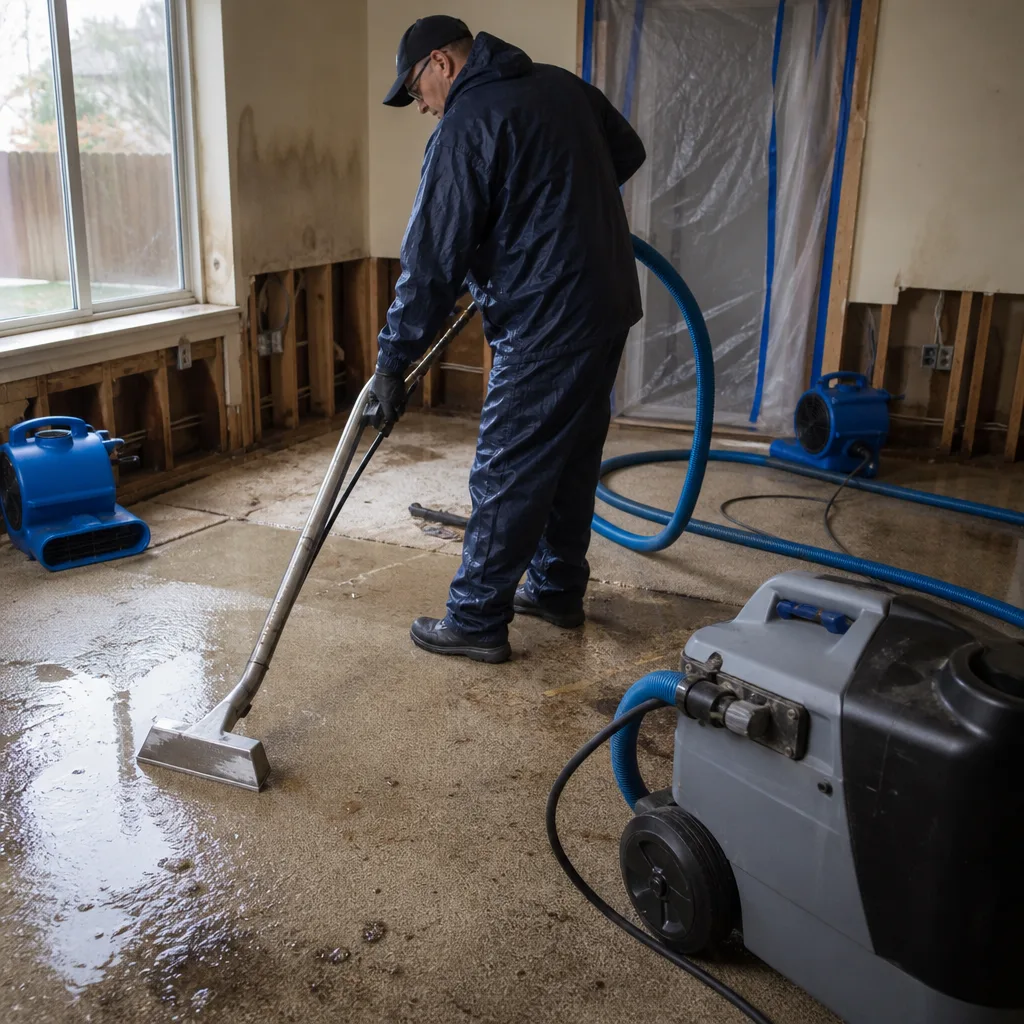
The daily drying log is the single most scrutinized document in a water damage claim. Insurers have learned to flag files that lack specific elements, and adjusters in Palm Beach County are particularly thorough after the volume of post-hurricane claims in recent years.
A compliant drying log contains:
- Date and time of each reading. Not “morning” or “evening” - exact timestamps, because psychrometric conditions change hourly.
- Technician name and certification number. IICRC-certified technicians log their own readings; this creates accountability and proves qualified personnel were on site.
- Room identifier and affected material. “Living room, north wall, drywall at 24 inches” - not “LR wall.”
- Moisture content percentage and measurement method. Pin meter, pinless meter, or thermo-hygrometer, with the specific model noted.
- Relative humidity and temperature. These establish the vapor pressure differential, which is the actual driver of evaporation. A room at 85°F and 30% RH dries faster than a room at 72°F and 60% RH, even if the moisture content readings look similar.
- Equipment on site, identified by serial number. This prevents the common fraud of billing for dehumidifiers that were never deployed, and it lets insurers verify equipment capacity against the affected square footage.
- Psychrometric calculations. Grain depression, specific humidity, and dew point - the measurable data that proves the drying environment is being actively managed, not just monitored.
We’ve reviewed competitor files where the “drying log” was a single page with three handwritten numbers and no timestamps. That file was denied. The homeowner paid $4,200 out of pocket for work their policy should have covered.
Our crews document to IICRC, RIA, and IFA standards using professional-grade drying systems from Dri-Eaz, Phoenix, and Injectidry. The Injectidry systems are particularly valuable in Boynton Beach’s older homes, where hardwood floors over concrete slabs require targeted negative air pressure to pull moisture from the subfloor without damaging finish materials.
How Boynton Beach’s Coastal Humidity Changes Everything
Boynton Beach sits on Florida’s Atlantic coast with a baseline relative humidity that typically runs 70-80% RH, higher than inland Florida markets and dramatically higher than drier climates where much IICRC training material was developed. This isn’t a footnote. It changes drying targets, equipment selection, and the definition of “dry.”
In a climate with 75% ambient humidity, a contractor can’t open windows to “air things out.” That introduces more moisture. The drying environment must be artificially created and maintained through mechanical dehumidification and temperature control. A dehumidifier rated for 70 pints per day at 80°F/60% RH may extract half that at Boynton Beach’s typical conditions, which means equipment sizing calculations must use local psychrometric data, not manufacturer specs at standard test conditions.
The “dry to touch” standard some contractors use is meaningless here. Drywall can feel dry to the touch at 18% moisture content - well above the 12% threshold that prevents microbial growth. In Boynton Beach’s humidity, that drywall will reabsorb moisture from the air and climb back to 16% within 48 hours if the drying environment isn’t maintained until the material stabilizes. We see this failure pattern regularly in homes near the Intracoastal, where contractors declared jobs “dry” on Friday and mold was visible by Wednesday.
Proper drying targets for Boynton Beach:
- Structural wood: 12-15% moisture content (varies by species, verified against unaffected control samples)
- Drywall: below 12% moisture content, or within 2% of an unaffected reference reading in the same structure
- Concrete subfloors: 75-80% RH per ASTM F2170, or calcium chloride readings below 3 lbs/1000 sq ft/24 hrs
These numbers go on the drying log. If your contractor can’t produce them, the job isn’t documented.
Written Scope vs. Verbal Estimate: Why Only One Protects You
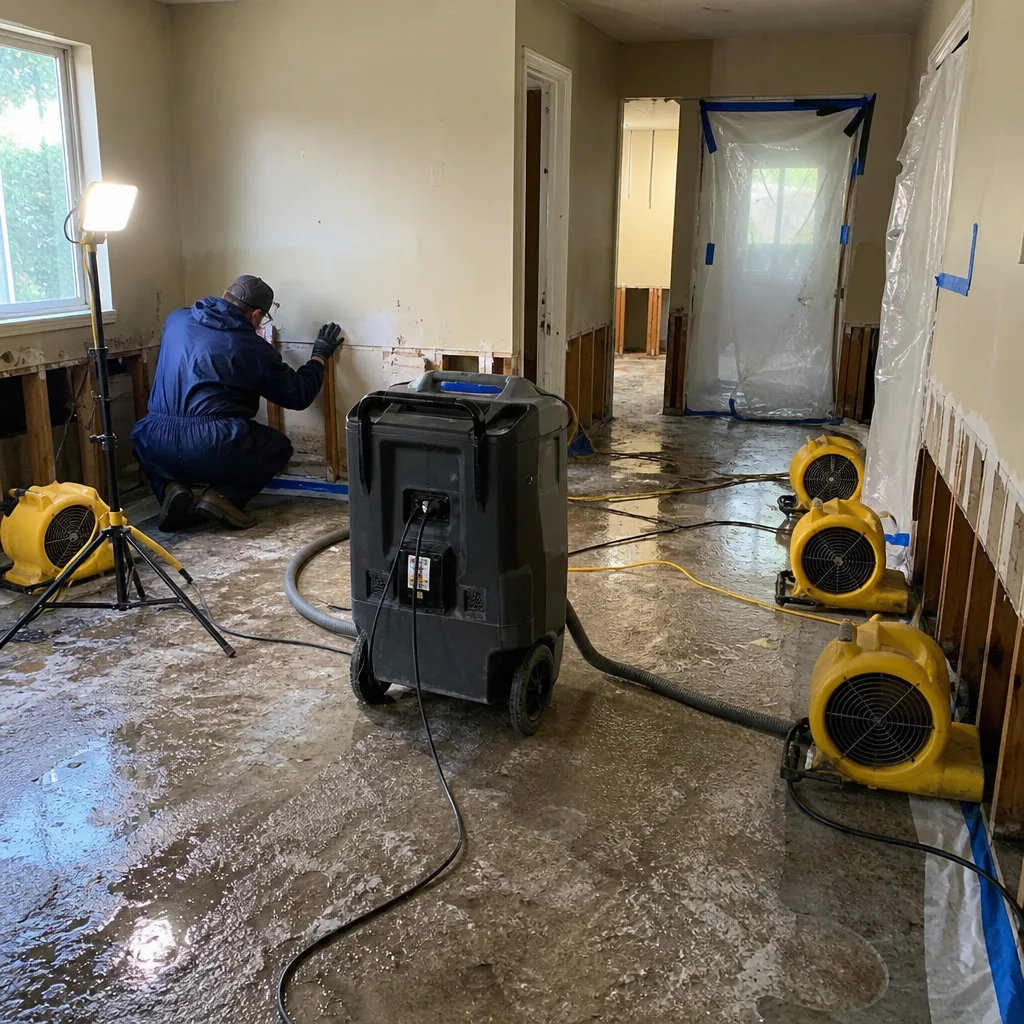
The difference between a scope of work and an estimate is the difference between a contract and a guess. An estimate is a prediction. A scope is a commitment, itemized and priced, that becomes the baseline for all future discussion - including supplements, disputes, and insurance negotiations.
Haven Standard, Clause 1 requires a written price before any work begins. This isn’t a marketing preference. It’s a structural protection against the most common complaint we hear from Boynton Beach homeowners: a crew arrived, started work, and the final bill was double what they were told.
A proper scope of work contains:
- Line-item description of each task (demolition, disposal, drying, cleaning, reconstruction)
- Quantity and unit of measure (square feet, linear feet, each)
- Unit price and extended price
- Material specifications, including manufacturer and model where relevant
- Timeline with start and projected completion dates
- Payment terms and conditions for change orders
- Signature blocks for homeowner and contractor
The verbal estimate, by contrast, is usually a single number delivered at the door while water is still spreading. It has no itemization, no material specs, no timeline, and no mechanism for dispute resolution. When the insurer asks for documentation to justify the amount, the homeowner has nothing.
We offer a Free Second Opinion on any competitor’s written estimate. Bring us a scope that seems high, or a verbal estimate you want converted to written form, and we’ll review it at no charge. About 30% of the estimates we review contain errors in unit pricing or scope duplication that inflate the total. Documentation lets us find them.
How to Read Your Certificate of Completion
The Certificate of Completion is the final document in your restoration file. It should integrate all previous documentation and provide a defensible closeout that satisfies both you and your insurer. When a contractor hands you this document, verify three critical items. Their absence signals an undocumented job.
Item 1: Cross-Referenced Drying Log Summary
The certificate should include or explicitly attach the complete daily drying log, with a summary table showing start and end moisture readings for each affected area. If the certificate says “drying completed per log” but doesn’t include the log or a verifiable summary, the documentation chain is broken.
Item 2: Equipment Serial Numbers with Deployment/Retrieval Dates
Every dehumidifier, air mover, and negative air machine should be listed by serial number, with dates showing when it was placed and removed. This prevents billing disputes and proves the drying capacity was adequate for the affected area. A certificate that lists “3 dehumidifiers” without serial numbers is incomplete.
Item 3: Final Moisture Verification with Control Sample Comparison
The certificate must show final moisture readings compared to unaffected control samples from the same structure - not “dry to touch,” not “appears dry,” but measured, documented, and within acceptable variance. In Boynton Beach, we typically see control samples at 10-12% for drywall and 11-14% for structural lumber. Final readings should fall within 2% of these baselines.
Missing any one of these three items means your file has a gap that an adjuster can exploit to reduce or deny payment. We’ve seen homeowners in Boynton Beach’s Chapel Hill and Quail Ridge neighborhoods lose $8,000-$15,000 in coverage because their contractor’s certificate lacked equipment serial numbers and the insurer questioned whether the billed equipment was actually deployed.
The Documentation Gap That Costs Homeowners Their Claims
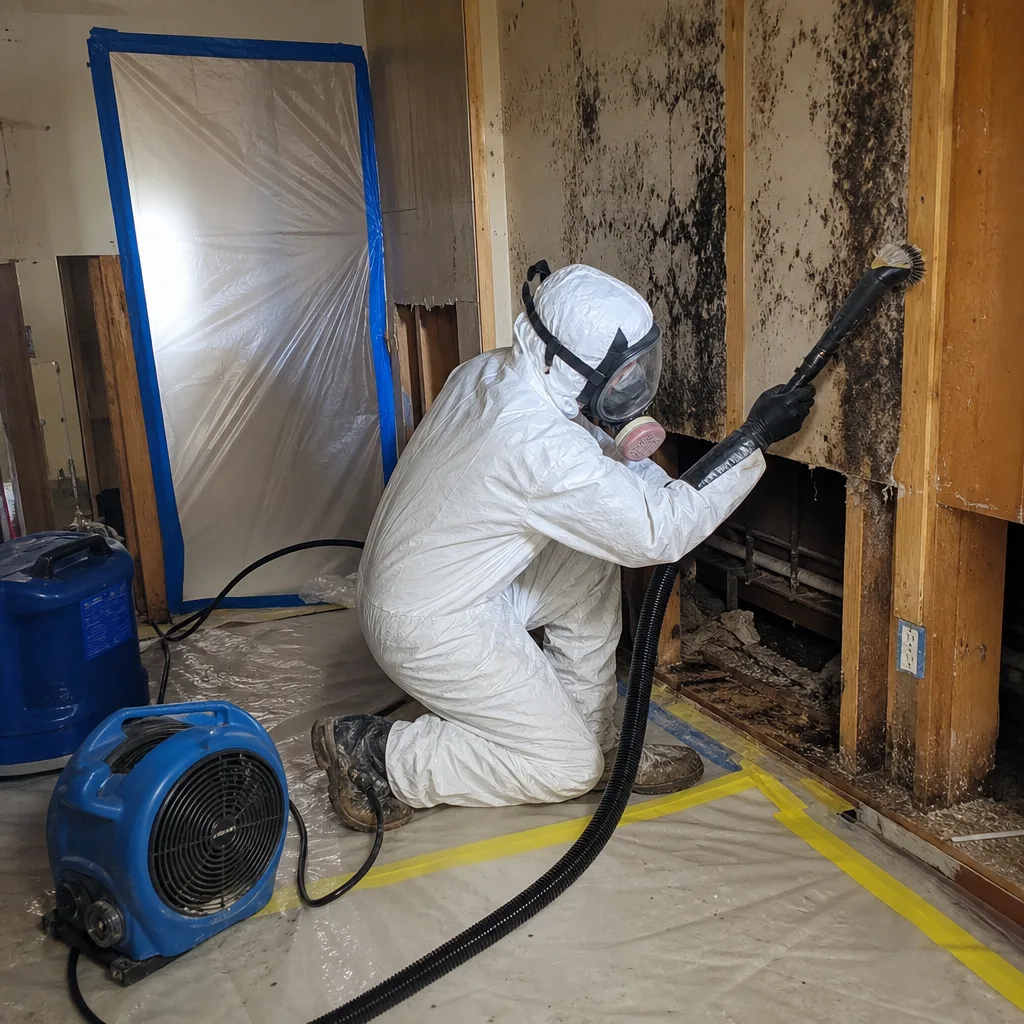
Back to Dry Restoration was founded in 2011 by a former claims adjuster who watched homeowners lose legitimate coverage because their restoration files couldn’t prove the work was done to standard. The documentation gap isn’t a contractor problem or a homeowner problem - it’s a structural failure in how the industry delivers information.
Most homeowners don’t know what IICRC S500 requires. They don’t know that “dry” has a numerical definition, or that equipment serial numbers matter, or that a verbal estimate has no standing in a dispute. They trust the professional at their door. When that professional doesn’t document, the homeowner pays.
We’ve restored over 12,000 homes since 2011. Every one had a written price before work started and a documented record when the crew left. The 365-Day Done Right Promise, backed by The Haven Standard, means if it’s not done right, we make it right - a signed guarantee, not a marketing line. This applies to documentation too. If your insurer requests additional records within a year of completion, we produce them.
For mold remediation in Boynton Beach, the documentation gap is especially costly. Florida’s mold remediation statute requires specific documentation for health-related claims, and insurers increasingly request air sampling data with chain-of-custody records. A mold job without pre- and post-remediation air sampling, documented by an independent laboratory, is vulnerable to denial on the grounds that the remediation’s effectiveness was unverified.
Choosing a Restoration Contractor in Boynton Beach
The contractor selection process should be documentation-first, just like the work itself. Here’s what to verify before signing anything:
- Written price guarantee. Ask to see a sample scope of work. If they can’t produce one, they don’t have a standard. Haven Standard, Clause 1 applies to every job we perform.
- Photo record as standard deliverable. Not an upsell, not “available upon request.” Included on every visit, with timestamps and geolocation data.
- Certified technicians with verifiable credentials. IICRC certification is the baseline. Ask for certification numbers and verify them. Our technicians are background-checked, uniformed, and licensed, with license numbers available on request.
- Equipment inventory and maintenance records. Professional-grade systems from Dri-Eaz, Phoenix, XPOWER, B-Air, and Injectidry require regular calibration. Ask when their dehumidimeters were last calibrated.
- Live phone coverage. Water doesn’t wait for business hours. Our emergency lines are answered by a live person 24 hours a day, 7 days a week - no voicemail trees, no next-business-day callbacks while water is still moving.
- Insurance coordination experience. Ask how they handle adjuster meetings, supplement requests, and documentation delivery. We provide direct adjuster coordination and photo-documented assessments as standard practice.
Boynton Beach’s building department requires permits for reconstruction work exceeding certain thresholds, and post-Hurricane Ian, Palm Beach County has tightened enforcement. A contractor who doesn’t mention permit requirements in their scope is either uninformed or planning to work without them. Either way, it’s your liability.
For fire and smoke damage restoration in Boynton Beach, additional considerations apply. Smoke damage classification (wet smoke, dry smoke, protein smoke, fuel oil smoke) determines cleaning methodology and must be documented in the initial assessment. The wrong classification leads to ineffective cleaning and persistent odor, which we’ve seen become $20,000+ supplement disputes when the initial documentation was wrong or missing.
Common Mistakes to Avoid
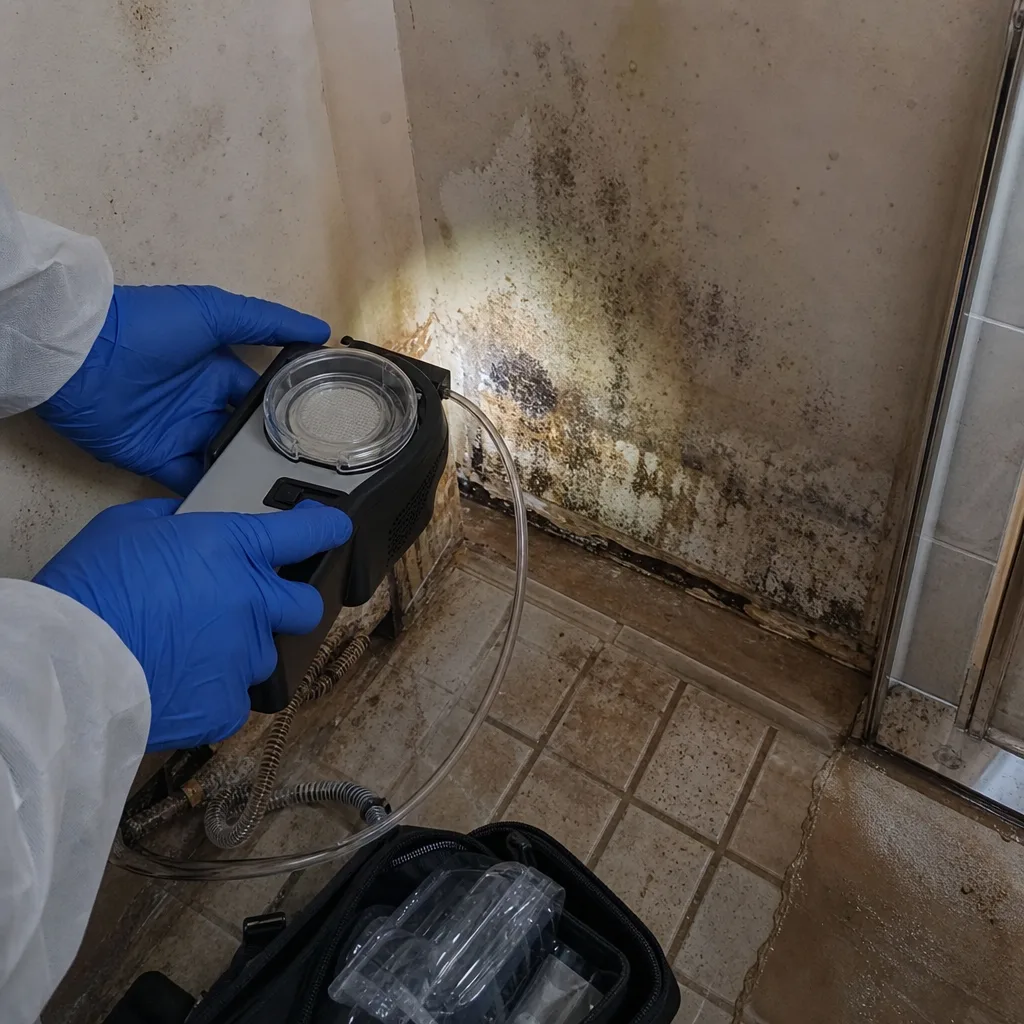
- Waiting for the insurance adjuster before starting mitigation. In Boynton Beach’s humidity, mold growth begins on wet drywall within 24-48 hours. Your policy requires you to mitigate further damage. Start documented mitigation immediately, then notify the insurer.
- Accepting a verbal “ballpark” on emergency work. Emergency rates are legitimate, but they must be documented in writing before or at the time of service, not estimated over the phone while water is spreading.
- Not requesting the drying log during the job. Ask for it on day two. If the contractor can’t produce it, they may not be taking readings at all.
- Assuming “dry” means safe. In Boynton Beach’s climate, materials that test dry on Friday can reabsorb moisture over a humid weekend. Verify the drying environment was maintained until material stabilization, not just until readings looked good once.
- Signing a certificate of completion without reviewing attached documentation. The certificate is only as good as the logs it references. Verify the three critical items listed above are present and complete.
- Choosing by response time alone on reconstruction work. Speed matters for mitigation, but reconstruction should be scoped, scheduled, and priced in writing like any remodeling project. A contractor who pressures you to “start tomorrow” on reconstruction may be avoiding competitive bidding.
- Not understanding your policy’s documentation requirements. Florida homeowners policies increasingly require specific mitigation documentation for water damage claims. Ask your agent what your policy requires, then verify your contractor can deliver it.
When to Call a Professional
Call immediately when water is actively spreading, when you smell smoke or see fire damage, when mold covers more than 10 square feet, when sewage is involved, or when structural integrity is questionable. These scenarios require documented mitigation to protect both your property and your insurance coverage.
For water damage, the threshold is lower than most homeowners think. A water heater leak in a Boynton Beach garage can saturate the slab and wick into drywall through capillary action, creating a Category 2 or 3 situation within hours if the water contains sediment or begins supporting microbial growth. Documented extraction and drying, started quickly, prevents escalation.
DryMark Restoration Boynton Beach offers free estimates in Boynton Beach - call (754) 227-6524. Our live dispatch answers 24 hours a day, 7 days a week. Every estimate includes a written scope and price before any work begins, with no exceptions.
Frequently Asked Questions
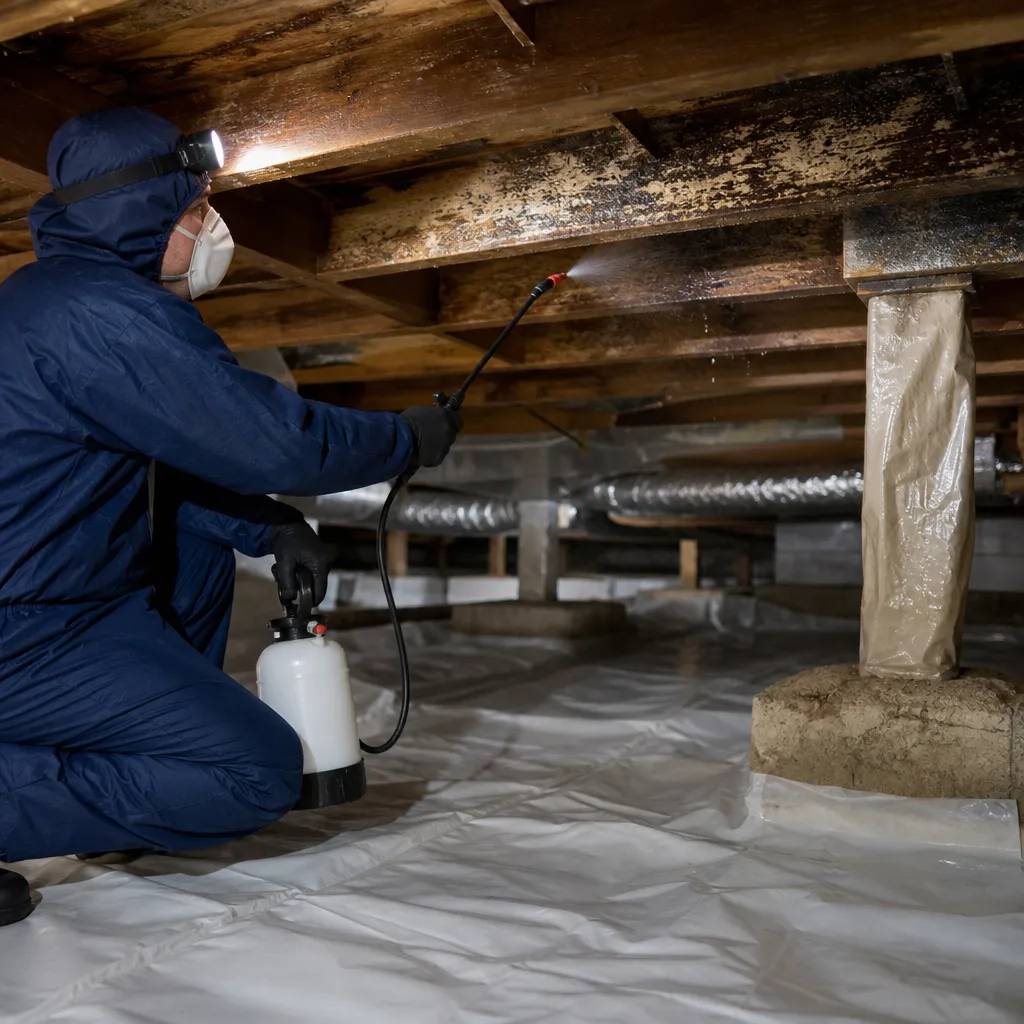
Water damage mitigation typically ranges from $1,200 for contained, Category 1 losses to $8,500+ for whole-house Category 3 flooding with pack-out services. Mold remediation runs $15-$30 per square foot of affected area, with containment and air scrubbing as additional line items. Fire and smoke restoration starts around $3,500 for light damage and can exceed $25,000 for structural involvement. Reconstruction is priced separately, per square foot, with material specifications itemized. These are Boynton Beach market ranges based on our experience since 2011; for a deeper breakdown, see our Damage Restoration Cost Breakdown: The Boynton Beach Homeowner’s Reference for 2026. Your specific loss still requires a written scope for an exact price. Call (754) 227-6524 for a free estimate - estimates include a written price before any work begins.
Your insurance covers what your policy language and documentation support. The most common reason for partial denial is incomplete mitigation documentation - missing drying logs, unverified equipment deployment, or “dry to touch” closeouts without moisture readings. A properly documented file, with IICRC-compliant logs and photo records, is significantly more likely to receive full coverage. We coordinate directly with adjusters and provide the documentation they need to approve supplements. Bring us any competitor’s written estimate for a Free Second Opinion at no charge.
For active water, fire, or biohazard emergencies, our live dispatch coordinates immediate response, typically within 60-90 minutes for Boynton Beach addresses from the ocean to the Turnpike. Reconstruction work is scheduled, not dispatched, and requires a written scope with fixed pricing before scheduling. Speed language applies to mitigation only; rebuild work is scoped like a remodel.
For water damage under 10 square feet with Category 1 water and no structural materials affected, self-drying may be adequate if you can maintain a documented drying environment. For anything larger, involving Category 2 or 3 water, or affecting walls, floors, or HVAC systems, professional mitigation is necessary for insurance compliance and health protection. Mold on porous materials (drywall, carpet, ceiling tile) requires professional remediation; surface cleaning without source removal spreads spores. We provide documented assessments so you can make an informed decision with data, not pressure.
You retain final responsibility for your claim, but a professional restoration company should handle adjuster coordination as part of standard service. This includes attending the adjuster meeting, providing documentation on request, and preparing supplement documentation when scope changes are discovered. We provide direct adjuster coordination and photo-documented assessments. You should never be left to explain psychrometric data or equipment deployment to an adjuster yourself.
Mitigation and drying typically run 3-5 days for standard residential water losses in Boynton Beach, though high-humidity periods or complex building envelopes can extend this. Mold remediation adds 1-3 days for containment and air scrubbing. Reconstruction timelines depend on material availability and permit schedules; a standard kitchen rebuild might run 4-6 weeks. Your written scope includes a projected timeline with milestones. The 365-Day Done Right Promise covers any documentation or workmanship issues that emerge within a year of completion.
The Bottom Line
Damage restoration in Boynton Beach is not primarily about speed, equipment, or even technical skill - though all matter. It is about documentation: the written price before work begins, the daily drying log with psychrometric readings, the photo record on every visit, and the Certificate of Completion that ties them together. Homeowners who understand these documents before they need them make better decisions under pressure and protect their insurance coverage. Those who don’t discover the gap when it’s too late to fix.
We’ve built DryMark Restoration Boynton Beach around closing that gap. Since 2011, every one of our 12,000+ jobs has started with a written price and ended with a documented record. The Haven Standard governs how we work, and the 365-Day Done Right Promise stands behind it.
If you’re facing damage now, or want to understand what a properly documented restoration looks like before you need one, call (754) 227-6524. Estimates are free, include a written scope and price, and come with no obligation to proceed.
Written by Alicia Brennan, Owner at DryMark Restoration Boynton Beach, serving Boynton Beach since 2011.