
Last updated September 23, 2026
Free visual inspection and a written scope of work before any mitigation begins - photos, moisture readings, and drying logs go in your claim file
The scope we write is the scope we bill. Anything new gets shown to you, in writing, before we touch it.
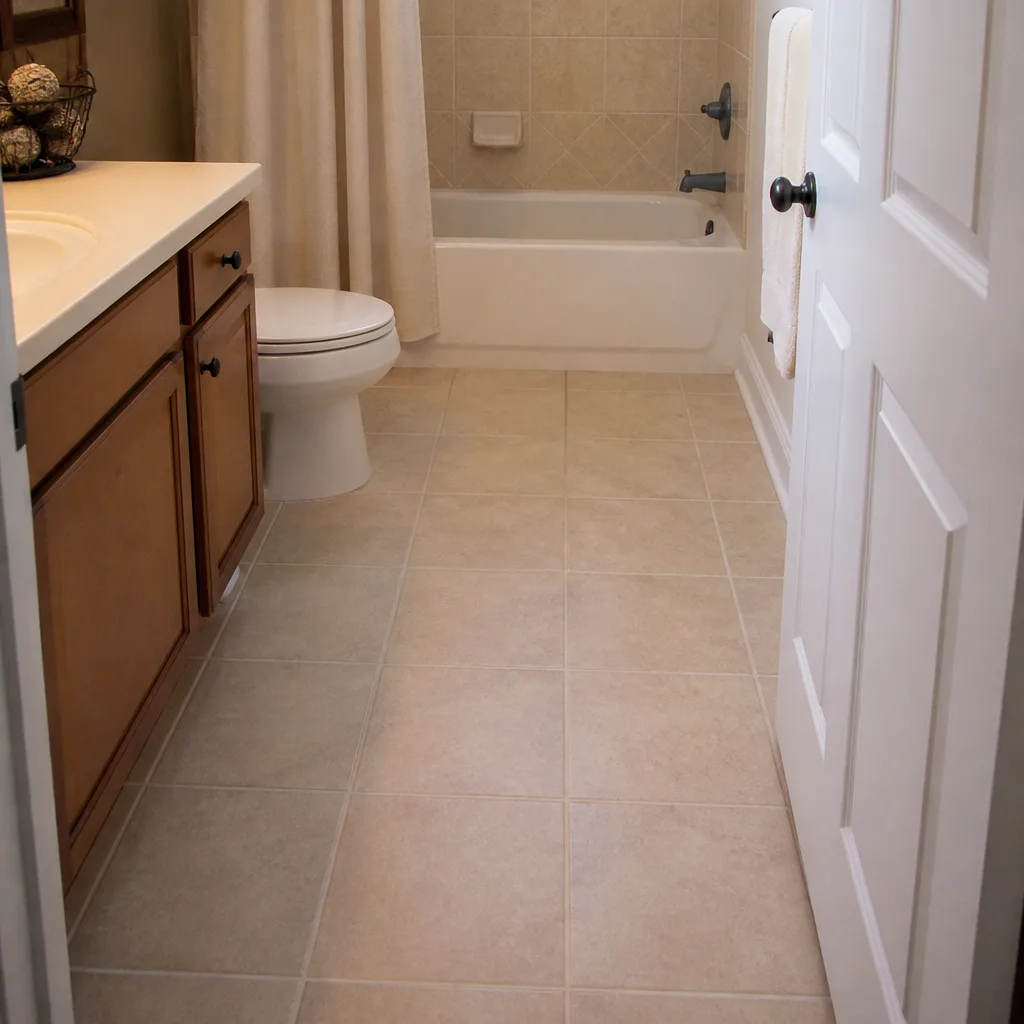
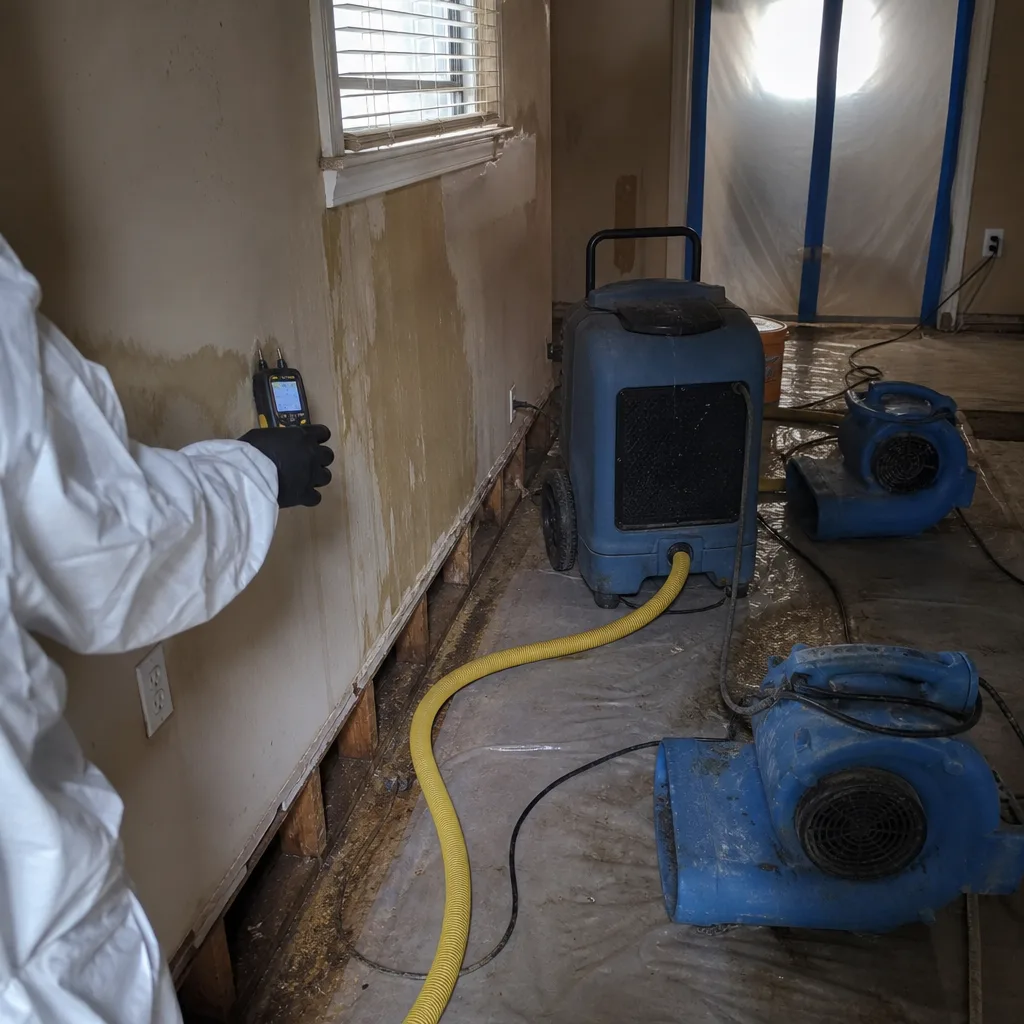 Before
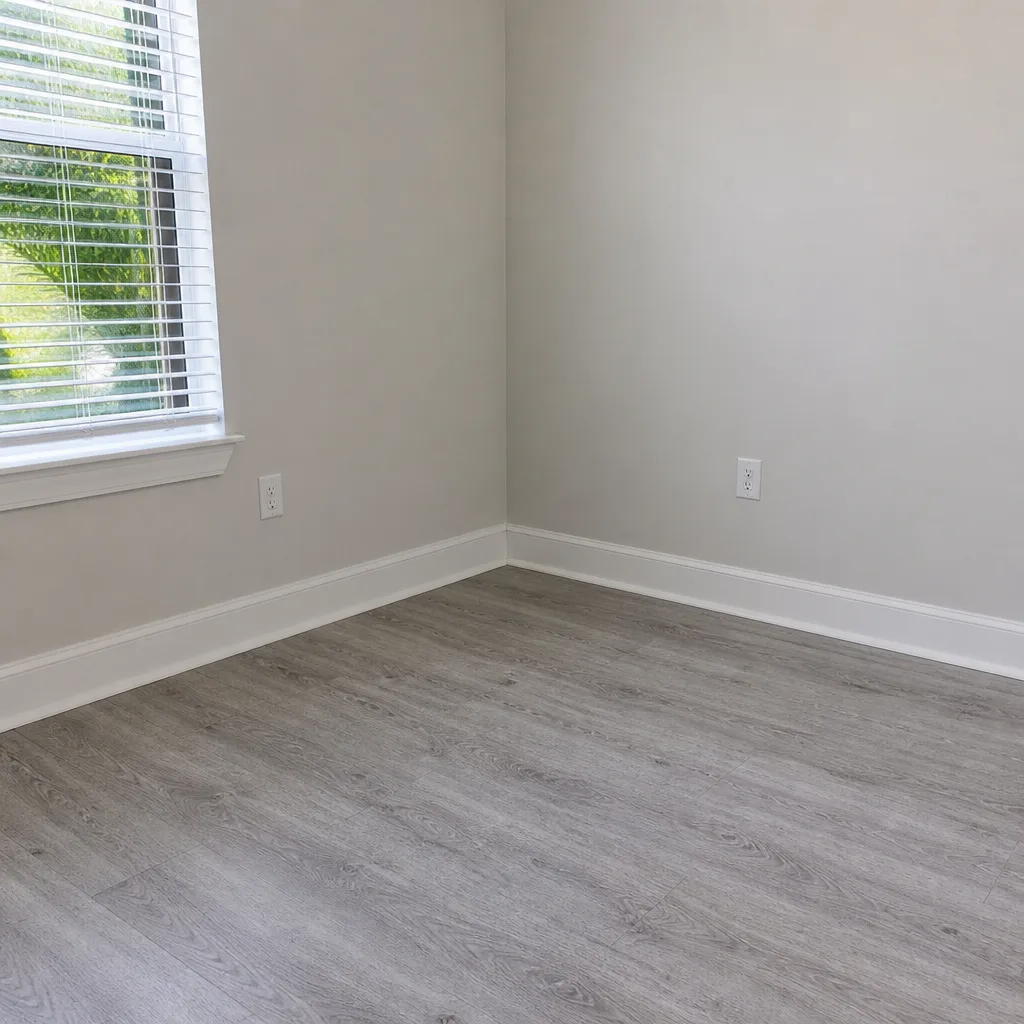 After
After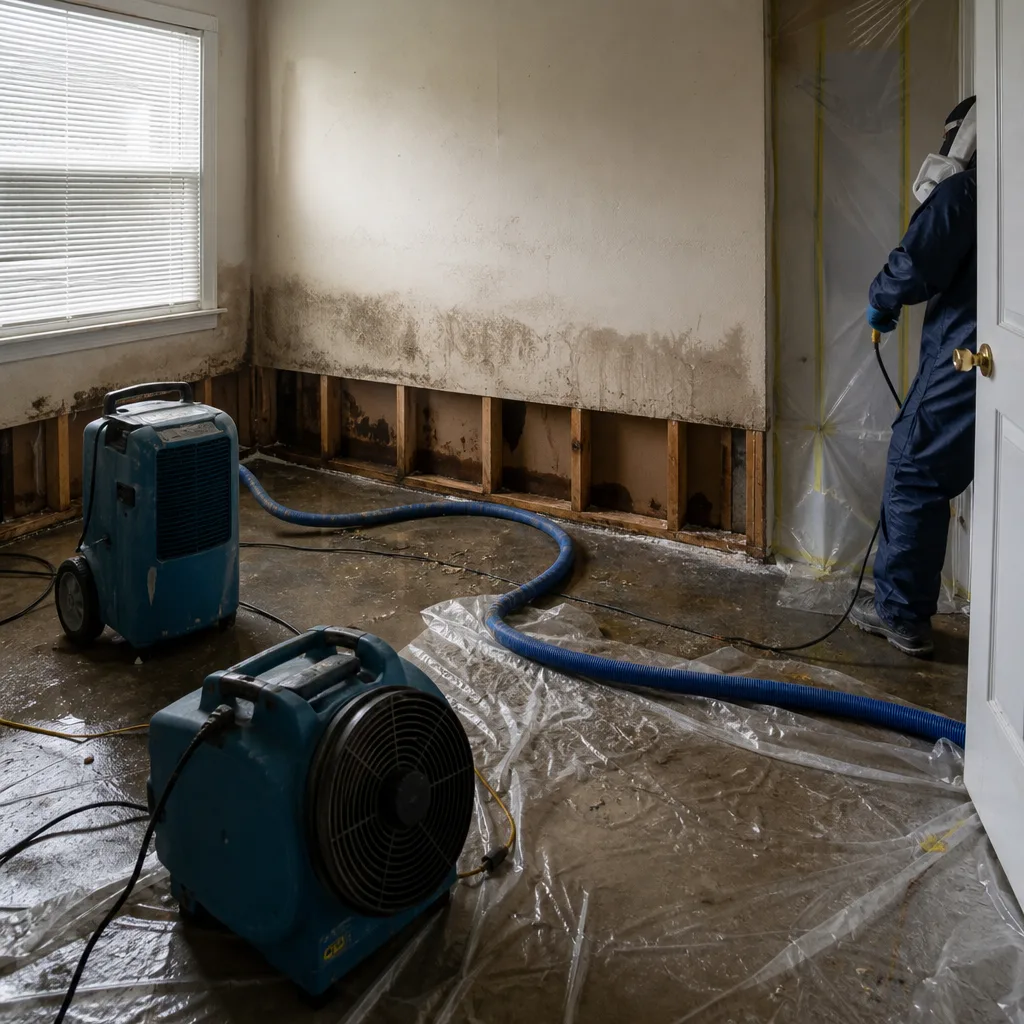 Before
 After
After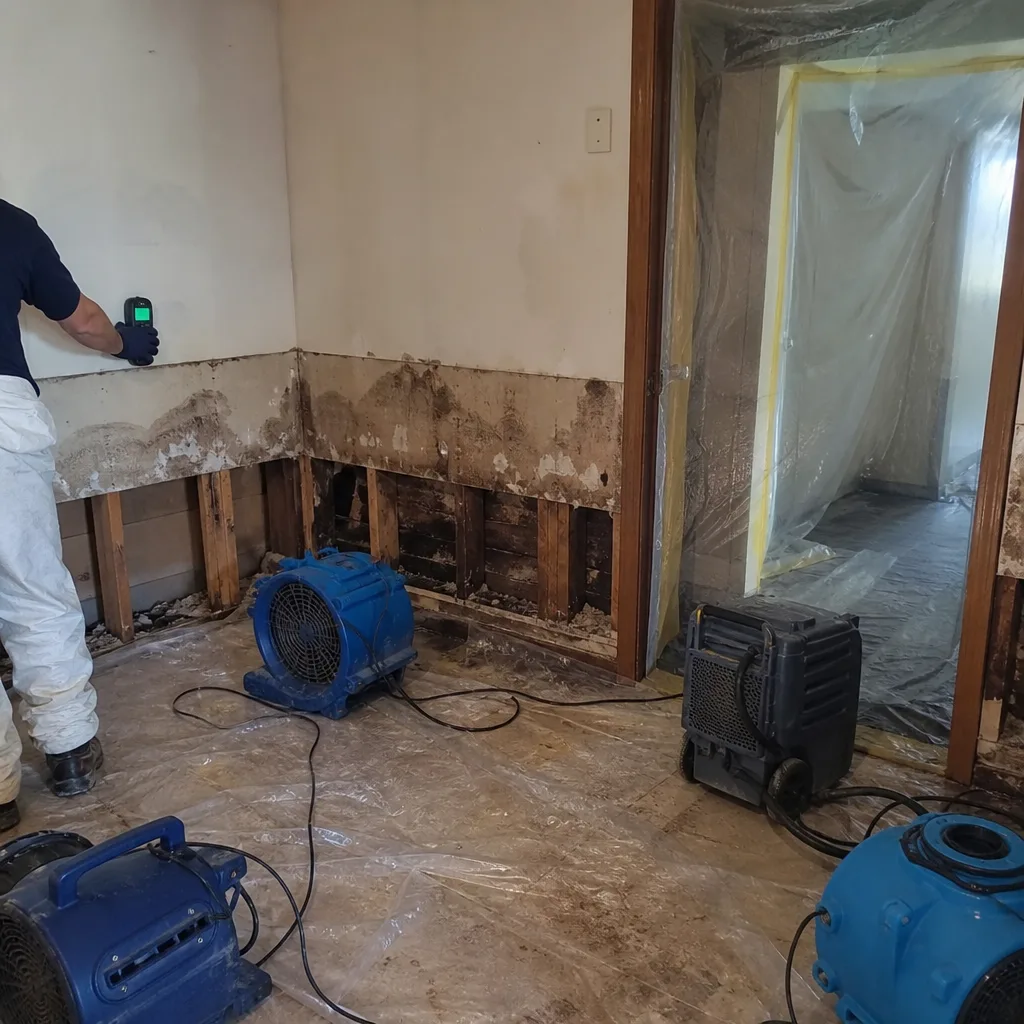 Before
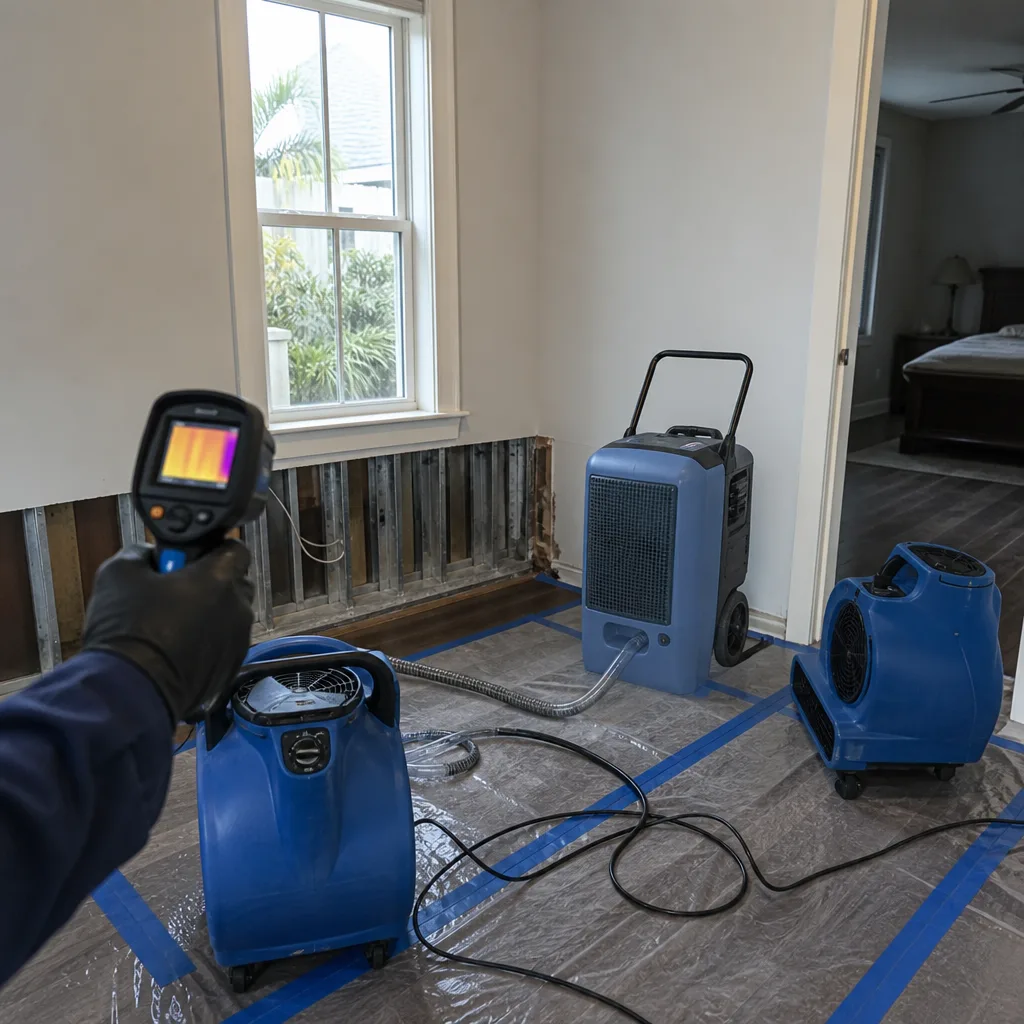 After
AfterDamage Restoration Permits, Codes & Inspections in FL: What You Need to Know
An unpermitted drywall replacement after water damage is invisible until a homeowner sells or files a subsequent claim. At that point, the insurer or buyer’s attorney can argue the repair was never inspected, the scope is unknown, and the carrier owes nothing for whatever is behind that wall. The permit costs roughly $150. The argument costs far more. In Boynton Beach, we’ve seen this scenario play out at closing tables and during claim supplements - always with the same lesson: the permit is not bureaucracy. It is documentation that outlives the contractor.
This guide explains which restoration scopes trigger permits under Florida Building Code and Palm Beach County amendments, how to verify a permit was actually closed (not just opened), and how a closed permit becomes a recoverable asset at future claim time. For Damage Restoration Warning Signs: A Boynton Beach Homeowner’s Reference Guide, see our companion resource. If you’re a homeowner who has experienced water, fire, mold, or storm damage in Boynton Beach, what follows is the permitting knowledge your contractor may not volunteer.
Quick Answer
Most emergency mitigation work in Florida - water extraction, drying, demolition of wet materials - does not require a permit. Reconstruction work almost always does: structural repairs, drywall replacement, electrical or HVAC modifications, and any work exceeding 200 square feet in Palm Beach County. The critical distinction is mitigation versus reconstruction, and many contractors blur this line to avoid permit delays. Homeowners should verify every permit was opened and officially closed through the Palm Beach County online portal, then store the final inspection approval with their restoration records permanently.
Table of Contents
- Mitigation vs. Reconstruction: The Permit Line Most Contractors Blur
- Florida Building Code Thresholds That Trigger Permits in Restoration
- Palm Beach County-Specific Rules and Square-Footage Triggers
- Emergency Work Exceptions: What You Can Do Before the Permit
- How to Verify a Permit Was Pulled, Inspected, and Closed
- Florida’s 2023 Insurance Reforms and Documentation Requirements
- How a Closed Permit Becomes a Recoverable Document at Future Claim Time
- Boynton Beach Climate Factors That Affect Permitting Timelines
 Before
 After
AfterMitigation vs. Reconstruction: The Permit Line Most Contractors Blur
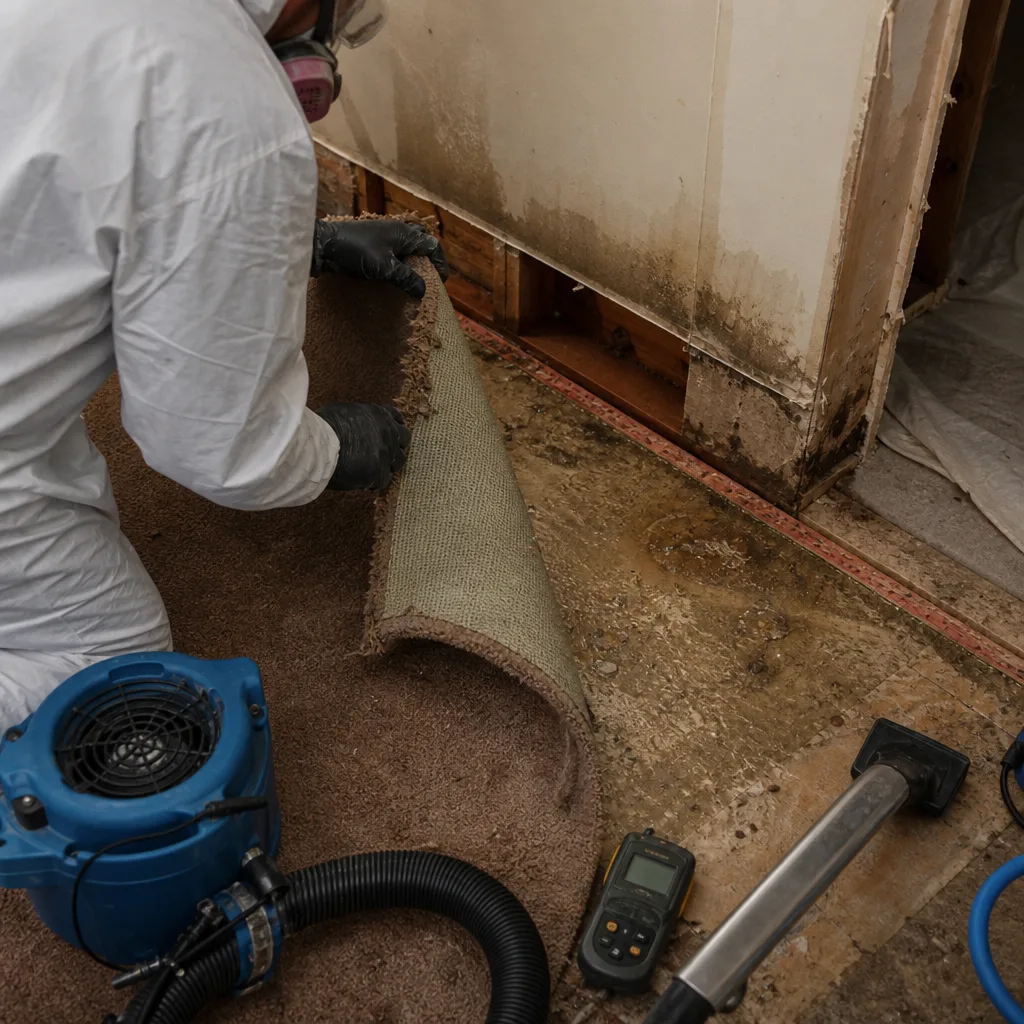
The single most expensive misunderstanding in Florida restoration is the difference between mitigation and reconstruction. Mitigation is stopping the damage from spreading: water extraction, setting drying equipment, removing saturated drywall to the nearest stud, applying antimicrobial treatments. Reconstruction is putting the building back: hanging new drywall, running new electrical, installing cabinets, repainting, replacing flooring.
Under Florida Building Code and Palm Beach County enforcement, mitigation typically requires no permit. Reconstruction typically does. The problem is that many restoration contractors perform both phases under a single agreement and treat the entire scope as “emergency services” to avoid permit applications, inspection scheduling, and the delays that come with both.
We’ve reviewed competitor estimates in Boynton Beach where $40,000 scopes included full kitchen reconstruction - cabinets, electrical, plumbing, drywall - with no permit mentioned, a situation our DIY vs Professional Damage Restoration: The Boynton Beach Homeowner’s Decision Guide helps homeowners avoid. The homeowner signed because the contractor promised faster completion. Six months later, selling the house, the title search revealed no permits on file. The buyer’s lender required a retroactive inspection. The cost to open walls, prove code compliance, and close the permit exceeded $8,000.
The Haven Standard, Clause 1, requires a written price before work begins. Part of that written scope at DryMark Restoration Boynton Beach is explicit permit identification: which phase requires a permit, who pulls it, and the permit number once issued. If a contractor cannot answer these questions in writing, the scope is incomplete.
Key distinctions:
- Mitigation (typically no permit): Water extraction, dehumidification, controlled demolition of damaged materials, content pack-out, initial antimicrobial application
- Reconstruction (typically permit required): Structural repairs, new drywall installation, electrical work, plumbing modifications, HVAC duct replacement, flooring installation, cabinet hanging, any work affecting load-bearing elements
- Gray area (verify with Palm Beach County): Like-for-like replacement of pre-existing elements in exactly the same location, minor repairs under $1,000 in some jurisdictions
In our experience, the gray area is where most disputes originate. A contractor replaces a water-damaged subfloor and calls it “mitigation.” Palm Beach County calls it structural repair and requires a permit. The homeowner is caught in the middle when the discrepancy surfaces.
Florida Building Code Thresholds That Trigger Permits in Restoration
Florida Building Code Section 105.1 requires permits for “construction, erection, alteration, modification, repair, equipment use, and demolition” of buildings and structures. The code does not distinguish between new construction and restoration repair - a replaced wall is a replaced wall.
For restoration specifically, these scopes trigger permit requirements under the current Florida Building Code as adopted by Palm Beach County:
- Structural elements: Any repair or replacement of load-bearing walls, beams, columns, floor joists, roof trusses, or subflooring. This includes sistering joists, replacing rotted sill plates, or repairing termite-damaged framing exposed during water damage remediation.
- Drywall replacement exceeding repair limits: Spot repairs under 32 square feet in a single room typically qualify as minor repair. Full-sheet replacement, multi-room work, or any work involving fire-rated assemblies requires a permit.
- Electrical system exposure or modification: Any work involving outlets, switches, fixtures, or wiring behind removed drywall. Even “like-for-like” replacement of devices requires permit and inspection if the circuit was disturbed during mitigation.
- HVAC ductwork: Replacement of flex duct, modification of rigid duct, or any work affecting air distribution. Mold remediation often requires duct cleaning or replacement; if ducts are removed and reinstalled, permit.
- Plumbing modifications: Repiping, relocation of fixtures, or replacement of valves behind walls. Water damage frequently exposes corroded plumbing that must be addressed.
- Roof repairs: Any repair exceeding 25% of roof area in a 12-month period, or any structural repair to roof decking or trusses. Post-hurricane restoration often triggers this threshold.
- Window and door replacement: Any replacement not in-kind, or any replacement in wind-borne debris regions requiring impact resistance documentation.
Boynton Beach sits in a High-Velocity Hurricane Zone under Florida Building Code wind speed maps. This means structural repairs, window replacements, and roof work must meet enhanced fastening and pressure-rating requirements. A permit ensures these standards are verified by inspection. Without it, the work may meet visual standards but fail structural standards - and that failure only becomes visible during the next storm or the next claim.
Our documentation protocol at DryMark Restoration Boynton Beach includes photographing code-compliant materials before installation: pressure-rated sheathing, impact-resistant window labels, corrosion-resistant fasteners. These photos join the permit file and the drying logs as permanent records.
Palm Beach County-Specific Rules and Square-Footage Triggers
Palm Beach County Building Division enforces Florida Building Code with local amendments that affect restoration work directly. Homeowners in Boynton Beach need to understand these specific triggers, not just the statewide code.
Square-footage thresholds:
- Repairs or alterations exceeding 200 square feet in any single room require a building permit
- Repairs exceeding 500 square feet cumulative across the dwelling require a permit even if individual rooms are under 200 square feet
- Any work affecting the building envelope (exterior walls, roof, windows, doors) requires permit regardless of size
- Demolition of load-bearing elements requires structural permit regardless of size
Electrical and mechanical specifics:
- Electrical permits required for any new circuits, panel modifications, or replacement of wiring damaged during mitigation
- Mechanical permits required for HVAC duct replacement, air handler relocation, or any refrigerant line work
- Plumbing permits required for water heater replacement, repiping, or fixture relocation
Coastal construction considerations:
Boynton Beach properties east of Federal Highway and in the barrier island areas fall under additional coastal construction scrutiny. Elevation certificates may be required for repairs to ground-floor living spaces. Flood damage restoration in these zones must comply with FEMA floodplain management standards as adopted by Palm Beach County, including wet floodproofing limitations and materials requirements.
We’ve encountered homes in the Boynton Beach barrier island area where flood restoration required elevation verification before permits could issue. The process added 10-14 days to reconstruction start. Contractors who skip this step to “save time” leave homeowners with unpermitted work in FEMA-monitored flood zones - a title and insurance problem that compounds with every subsequent storm.
Permit fees in Palm Beach County:
Building permit fees are calculated by valuation of work. For typical restoration scopes, expect:
- Building permit: $150-$400 for most residential restoration projects
- Electrical permit: $75-$150 per trade
- Mechanical permit: $75-$150 per trade
- Plumbing permit: $75-$150 per trade
- Plan review fees: additional 20-30% of permit fee if plans are required
These fees are trivial compared to the cost of unpermitted work discovery. Yet we’ve seen contractors in Boynton Beach absorb these fees into “administrative charges” without actually pulling permits, or convince homeowners that “restoration doesn’t need permits” to avoid the 3-5 day plan review period.
Emergency Work Exceptions: What You Can Do Before the Permit
Florida Building Code Section 105.1.1 and Palm Beach County emergency provisions allow certain work to proceed without prior permit when immediate hazard to life or property exists. This is not a blanket exemption for all restoration work - it is narrowly defined and time-limited.
Emergency work that typically qualifies:
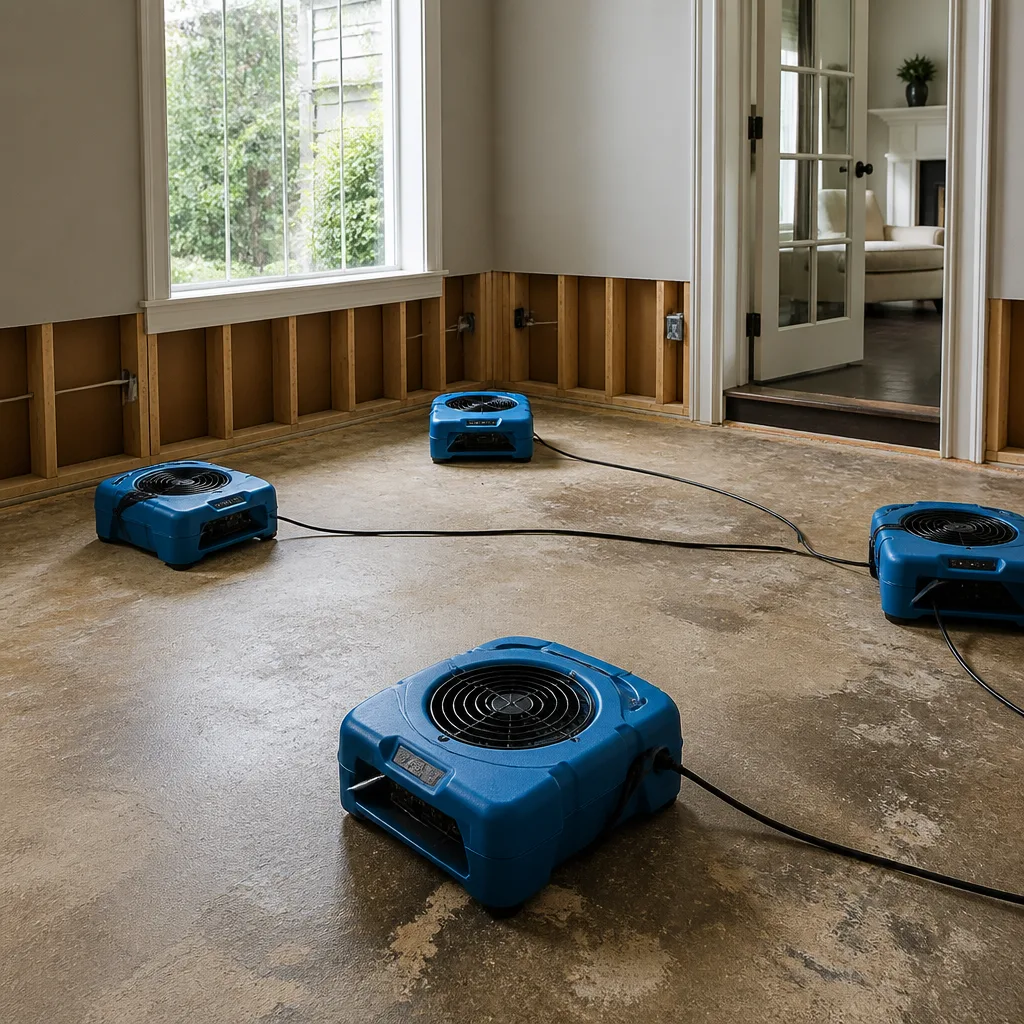
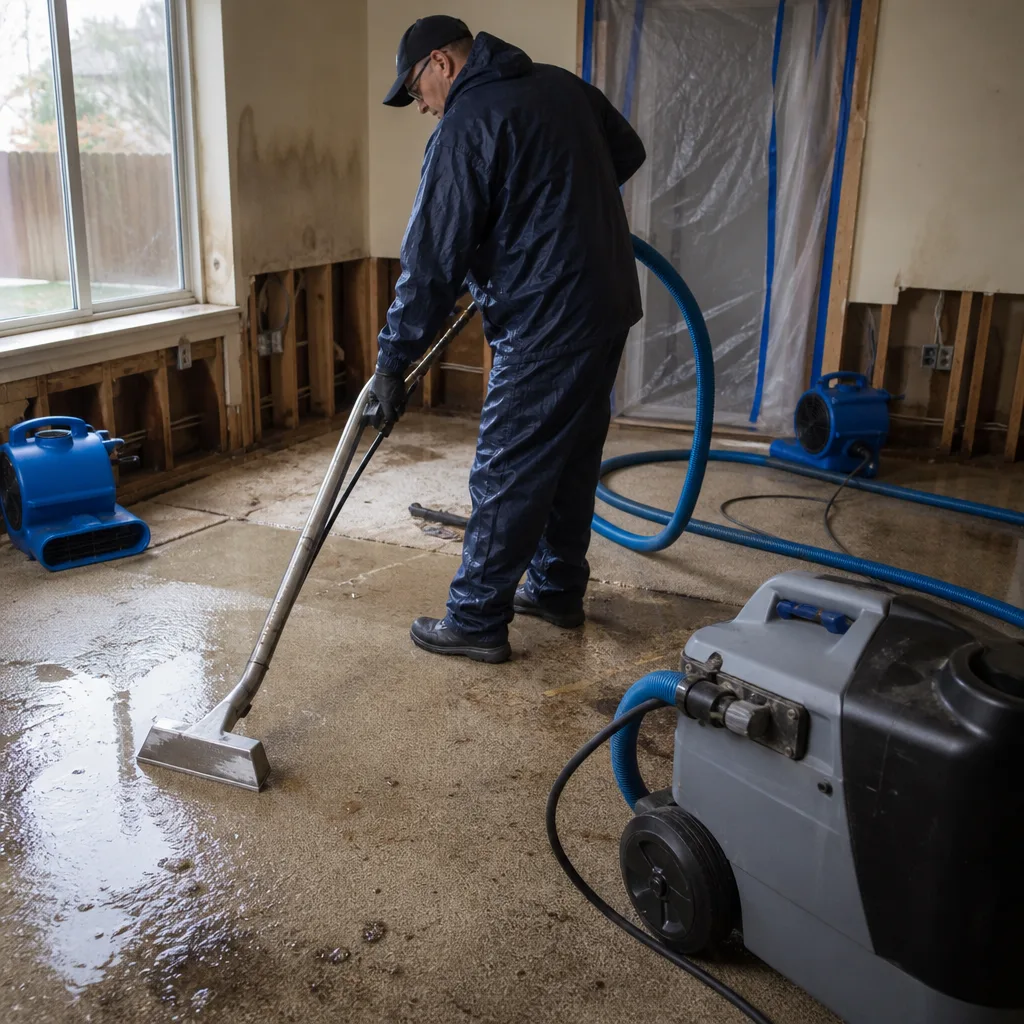
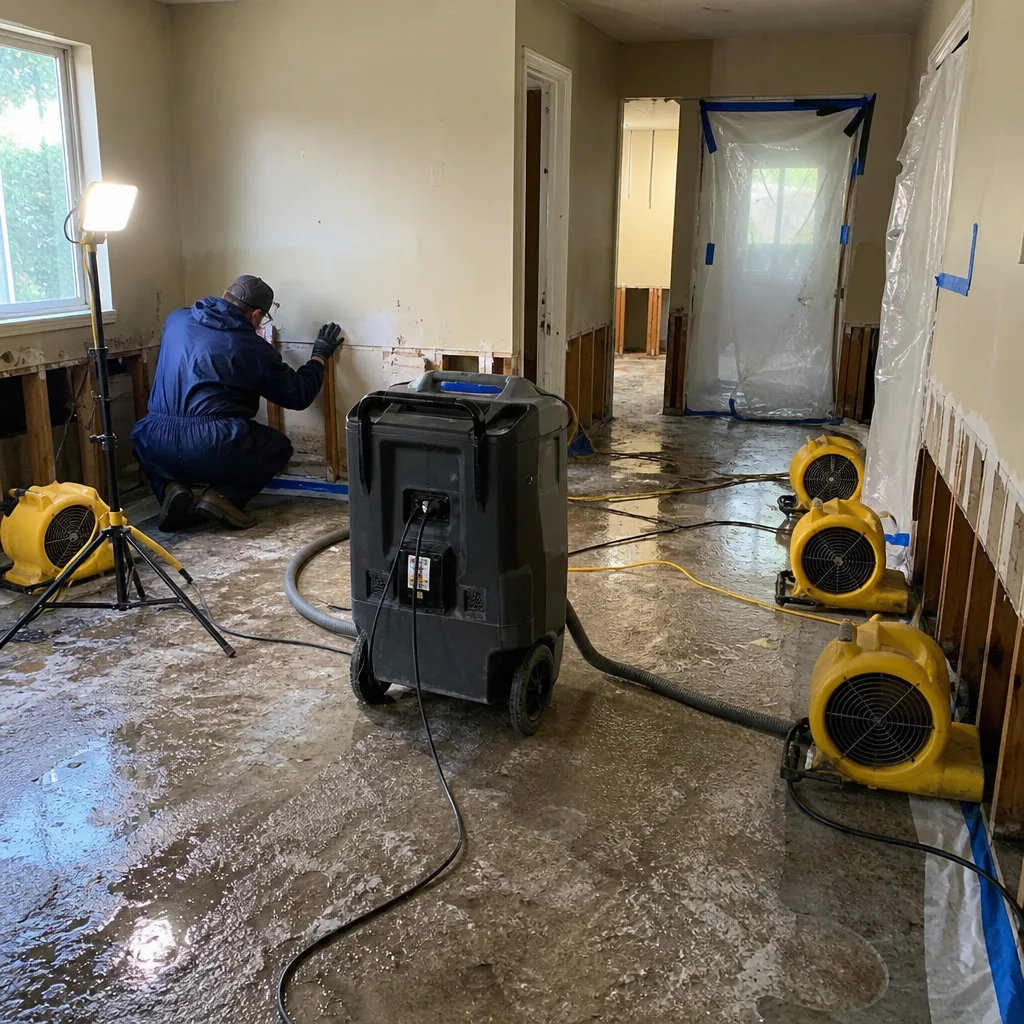
- Water extraction and drying: Removing standing water, extracting from carpet and pad, deploying dehumidifiers and air movers. This is mitigation, not repair, and poses no code compliance issue.
- Emergency board-up: Securing broken windows, tarping roof damage, installing temporary supports to prevent collapse. Must be documented with photos and replaced with permanent, permitted repairs within 30-180 days depending on scope.
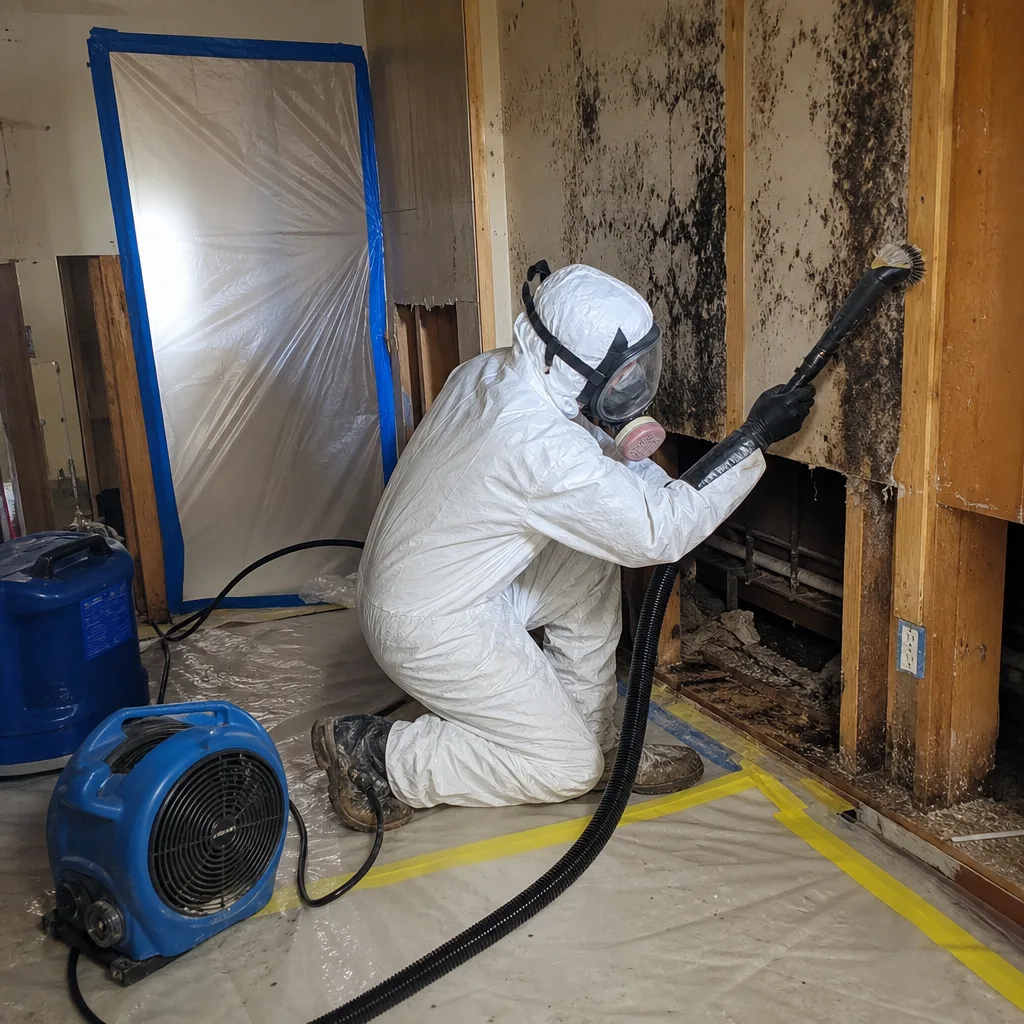
- Controlled demolition of hazardous materials: Removing saturated drywall to prevent mold growth, removing fire-damaged structural elements at risk of collapse. Demolition stops at stable substrate; reconstruction requires permit.
- Emergency electrical disconnection: Licensed electrician may disconnect hazardous circuits without prior permit. Reconnection or replacement requires permit.
- Emergency plumbing repairs: Stopping active leaks, capping lines. Permanent repair or rerouting requires permit.
Critical limitations:
Emergency work must be reported to Palm Beach County Building Division within 72 hours of commencement. The contractor must submit an emergency work affidavit describing the hazard, the work performed, and the permanent repair permit application timeline. Failure to file this affidavit converts legal emergency work into unpermitted work.
We’ve reviewed Boynton Beach restoration files where contractors performed “emergency” demolition of entire kitchens, left the space gutted for weeks, then began reconstruction without ever filing the affidavit or pulling permits. The emergency exemption does not cover this. It covers stopping the bleeding, not performing surgery without a license.
At DryMark Restoration Boynton Beach, our emergency response includes same-day photo documentation and next-business-day permit application filing for any scope that will require reconstruction. The drying equipment from Dri-Eaz and Injectidry systems runs while permits process, not instead of permits processing.
How to Verify a Permit Was Pulled, Inspected, and Closed
A permit that was opened but never inspected and closed is, for practical purposes, worse than no permit. It creates a public record of incomplete work that surfaces during title searches, insurance renewals, and subsequent claims. Palm Beach County’s online permit portal makes verification straightforward - if homeowners know to check.
Step-by-step verification process:
- Obtain the permit number from your contractor. This should be on your written scope under Haven Standard, Clause 1. If the contractor cannot provide a permit number for reconstruction work, work has not been permitted.
- Visit Palm Beach County’s online permit search: Search by permit number, property address, or contractor name. The system displays permit status, application date, approved plans, and inspection history.
- Verify permit status is “Issued” or “Active” during work. Permits in “Review” status cannot be inspected. Work performed under review status is unpermitted work.
- Track inspection milestones: For typical restoration, expect rough inspection (framing, electrical, mechanical before close-in), insulation inspection (if applicable), and final inspection. Each requires scheduling, passage, and electronic sign-off.
- Confirm “Final Approval” or “CO” (Certificate of Completion/Occupancy). This is the only status that matters. “All inspections complete” without final approval may indicate a failed final or outstanding correction.
- Download and save the final inspection report. This document, with inspector signature and approval date, is your permanent record of code-compliant work.
Red flags in permit history:
- Permit opened, no inspections scheduled within 180 days: likely abandoned, may require reapplication
- Multiple failed inspections for same trade: indicates contractor quality issues
- Final inspection “hold” for corrections: work may not be complete or compliant
- Permit opened in homeowner’s name without homeowner’s knowledge: contractor avoidance of liability
- Permit for partial scope only: contractor may have split work to avoid scrutiny on complex elements
We’ve assisted Boynton Beach homeowners who discovered open permits from prior restoration work - sometimes years old - during refinance or sale. The correction process requires re-exposing work for inspection, paying re-inspection fees, and potentially performing corrective work. One homeowner faced $3,200 in costs to close a permit from a 2019 water damage restoration that the original contractor had abandoned.
Our protocol includes permit status verification as a standard deliverable: we provide the permit number, portal link, and final approval documentation in the job closeout packet. This packet also contains the photo record, drying logs, and 365-Day Done Right Promise documentation - the complete file an insurer or buyer’s attorney can review without objection.
Florida’s 2023 Insurance Reforms and Documentation Requirements
Florida’s 2023 property insurance reforms, enacted through Senate Bill 2-A and related legislation, fundamentally changed how insurers evaluate claims, supplements, and re-inspections. These changes interact with permitting in ways that directly affect restoration documentation strategy.
Key reform provisions affecting restoration:
- Reduced claim filing window: Homeowners now have two years from the date of loss to file a claim, down from three. This compresses the timeline for complete documentation, including permit records.
- Stricter attorney fee provisions: Contingency fee multipliers are limited, making attorney-involved disputes more expensive for homeowners and increasing the value of self-documenting claims.
- Mandatory mediation before litigation: Claims must proceed through mediation, where documentation quality determines outcomes. Permits and inspection records are admissible evidence of scope and quality.
- Re-inspection rights: Insurers may re-inspect completed work within a defined period. Unpermitted work fails re-inspection automatically; permitted work with inspection records provides defensible proof of scope.
How permitting interacts with supplements:
Many restoration claims begin with an initial scope that grows as damage is fully exposed. The supplement process - requesting additional funds for discovered damage - now requires more rigorous documentation under carrier guidelines adopted post-reform. A permit for the initial scope that does not encompass supplemented work creates a gap: the carrier can argue the supplemented work was not part of the permitted scope and therefore not part of the covered loss.
Our approach at DryMark Restoration Boynton Beach is to permit for the anticipated full scope based on moisture mapping and thermal imaging, with permit amendments as needed. This requires more upfront investigation - psychrometric data, vapor pressure differential analysis, material classification - but produces a permit envelope that contains the entire claim. The drying logs from our B-Air and Phoenix dehumidification systems, documented to IICRC standards, support this expanded scope with measurable data.
Re-inspection and the closed permit:
Post-reform, carriers are exercising re-inspection rights more frequently. A re-inspector examines completed work for code compliance, scope match to estimate, and material quality. The closed permit with final inspection approval is objective evidence that an independent authority verified compliance. Without it, the re-inspector’s subjective judgment controls - and that judgment often favors denial.
We’ve seen re-inspections in Boynton Beach where carriers disputed tile installation patterns, paint sheen matching, and cabinet grade. These disputes are subjective. Permit compliance is not. The permit record ends arguments before they begin.
How a Closed Permit Becomes a Recoverable Document at Future Claim Time
Restoration documentation has a longer useful life than most homeowners recognize. The average homeowner files a property claim every 9-11 years, but the same property may experience multiple events - a pipe burst, then a hurricane, then a subsequent leak - with each claim potentially implicating prior restoration work. The closed permit is a recoverable document that protects across this timeline.
The permanent restoration file:
We advise every Boynton Beach homeowner to maintain a physical and digital file containing:
- Original loss documentation: photos, moisture readings, scope of work
- Drying logs with daily psychrometric data: temperature, relative humidity, grains per pound, equipment placement maps
- Written price and any supplements: Haven Standard, Clause 1 documentation
- Permit applications, approved plans, and final inspection approvals for all reconstruction
- Material specifications: product data sheets, warranty documents, installation instructions
- Contractor correspondence and change orders
- 365-Day Done Right Promise documentation
This file should survive mortgage refinancing, insurance carrier changes, and property management transitions. Explore more guides & resources for maintaining complete restoration records. We provide our documentation in both printed job books and digital cloud storage links for this purpose.
Future claim scenarios where the permit matters:
Scenario 1: Subsequent water damage at same location. A new leak occurs in a previously restored bathroom. The insurer’s adjuster suspects prior work contributed - improper slope, inadequate waterproofing, substandard materials. The closed permit with inspection records proves code-compliant installation by licensed trades, shifting liability to the new causation.
Scenario 2: Mold discovery in “repaired” area. Mold growth behind restored drywall suggests incomplete drying or improper remediation. The drying logs prove process; the permit proves reconstruction met code. Together, they rebut negligence claims against the homeowner or prior contractor.
Scenario 3: Hurricane damage to previously replaced roof. A new storm damages roofing installed after prior claim. The carrier’s engineer inspects for attachment compliance. The permit with final inspection and approved plans demonstrates wind-speed-rated installation, supporting full replacement rather than depreciated repair.
Scenario 4: Property sale with disclosure requirements. Florida disclosure law requires known material defects. An open permit or unpermitted work is a material defect. A closed permit is a material fact that supports clean disclosure and market value.
In each scenario, the permit transforms from a bureaucratic artifact into financial protection. The $150 permit fee, amortized over years of ownership and multiple potential claims, is among the highest-return investments a homeowner makes.
Our Free Second Opinion service includes review of prior restoration documentation. We’ve identified unpermitted work, open permits, and missing inspection records in competitor files that expose homeowners to these exact scenarios. The review costs nothing. The findings sometimes save tens of thousands.
Boynton Beach Climate Factors That Affect Permitting Timelines
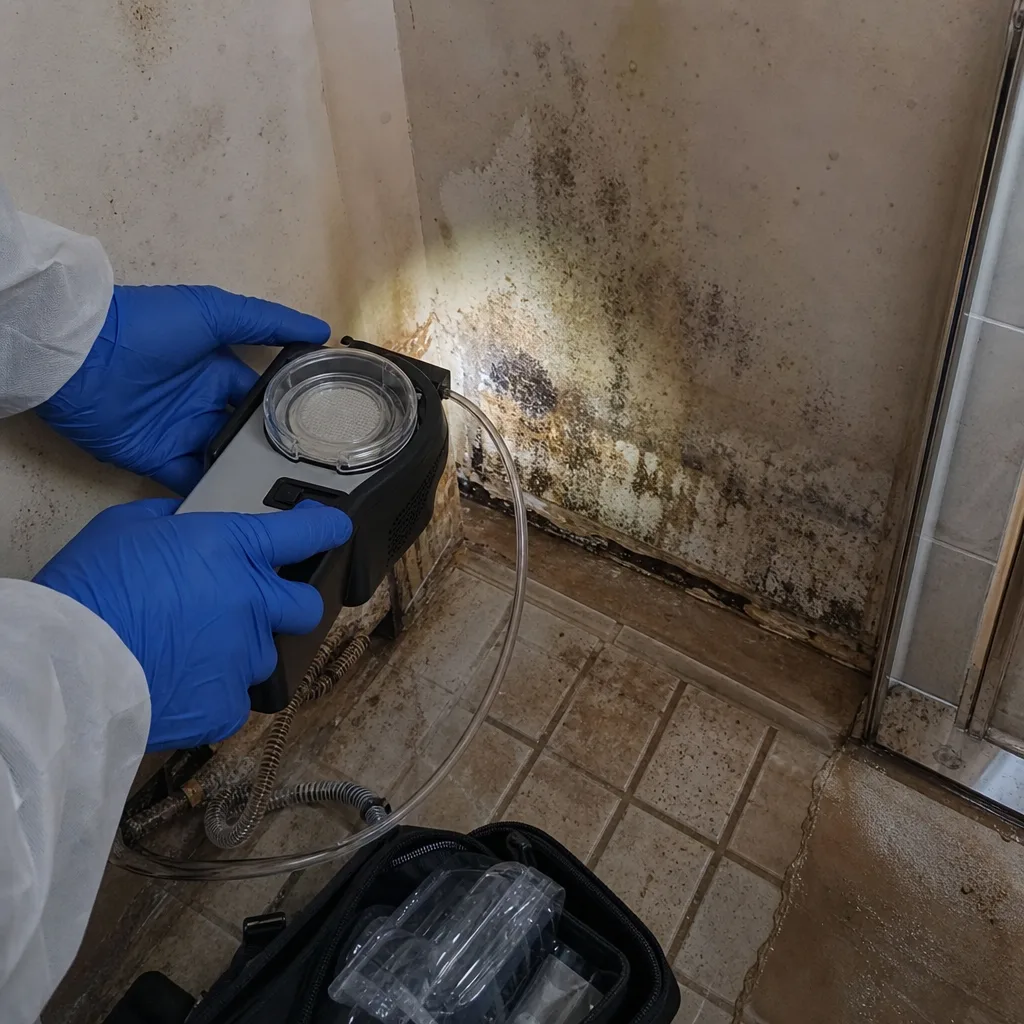
Boynton Beach’s subtropical climate creates restoration conditions that influence permit timing and inspection scheduling in specific, predictable ways. Understanding these factors helps homeowners set realistic expectations and identify when contractors are making excuses.
Hurricane season compression:
June through November, Palm Beach County Building Division experiences permit volume surges that extend review times from 3-5 days to 10-14 days. Post-storm, this can stretch to 3-4 weeks for complex scopes. Contractors who promise immediate reconstruction during this period are either performing unpermitted work or misrepresenting timelines.
Our protocol during surge periods: complete mitigation and drying under emergency provisions, file permit applications immediately with complete plans, maintain drying equipment on site until permit issuance. The Injectidry hardwood floor drying system and Dri-Eaz dehumidifiers continue operation while permits process - moisture does not wait for bureaucracy, and neither do we.
Year-round humidity and mold pressure:
Boynton Beach’s average relative humidity exceeds 70% eight months annually. This accelerates mold growth in water-damaged structures, creating pressure to begin reconstruction before materials achieve target moisture content. Reconstruction on wet substrates guarantees mold recurrence and permit inspection failure.
Our drying protocols target 12-16% moisture content in wood framing before reconstruction permit application. This typically requires 72-120 hours of controlled drying with documented daily moisture logs. Rushing to permit and reconstruct in humid conditions produces failed inspections, rework, and the exact delays contractors claim to avoid by skipping permits.
Salt air and corrosion:
Coastal Boynton Beach properties experience accelerated corrosion of fasteners, connectors, and electrical components. Florida Building Code requires corrosion-resistant materials in coastal zones, verified at inspection. Unpermitted work often substitutes standard materials that fail prematurely - and fail inspection if discovered.
Our documentation includes material specification photos: stainless steel fasteners, copper-clad connectors, marine-grade electrical boxes. These join the permit file as evidence of compliance.
Seasonal inspector availability:
Palm Beach County’s inspector corps is adequate for normal volume but stretched during surge events. Inspection scheduling requires flexibility. We maintain relationships with scheduling staff and use electronic scheduling tools to secure earliest available slots. Homeowners should expect inspection scheduling as part of the reconstruction timeline, not an afterthought.
Common Mistakes to Avoid
- Accepting “restoration doesn’t need permits” without verification. This statement is sometimes true for pure mitigation, often false for reconstruction, and always worth verifying with Palm Beach County directly. Ask for the specific code section the contractor relies on.
- Paying for permit fees that never become permits. Contractors who add “$200 permit fee” to estimates but never provide permit numbers are committing fraud, not delay. Verify every fee converts to a trackable permit.
- Ignoring open permits from prior work. An open permit from 2017 water damage can block a 2025 refinance. Search your property address in the Palm Beach County portal today, regardless of current projects.
- Confusing emergency board-up with permanent repair. Blue tarps and plywood are temporary measures with 30-180 day replacement requirements. Permanent roof repair without permit is unpermanent in the eyes of code enforcement.
- Failing to document the permit with the insurance claim. Permits are recoverable costs in most property claims. Submit permit fees, plan review costs, and inspection fees as line items. Carriers who resist are often unaware the work was permitted and inspected.
- Reconstructing before final moisture verification. In Boynton Beach humidity, framing that “feels dry” often reads 20%+ moisture content. Reconstruction on wet substrate produces mold, failed inspection, and uncovered claim denial.
- Trusting verbal permit assurances. “My guy at the county said it’s fine” is not a permit. “We’ll pull it tomorrow” is not a permit. Only a permit number in issued status is a permit.
When to Call a Professional
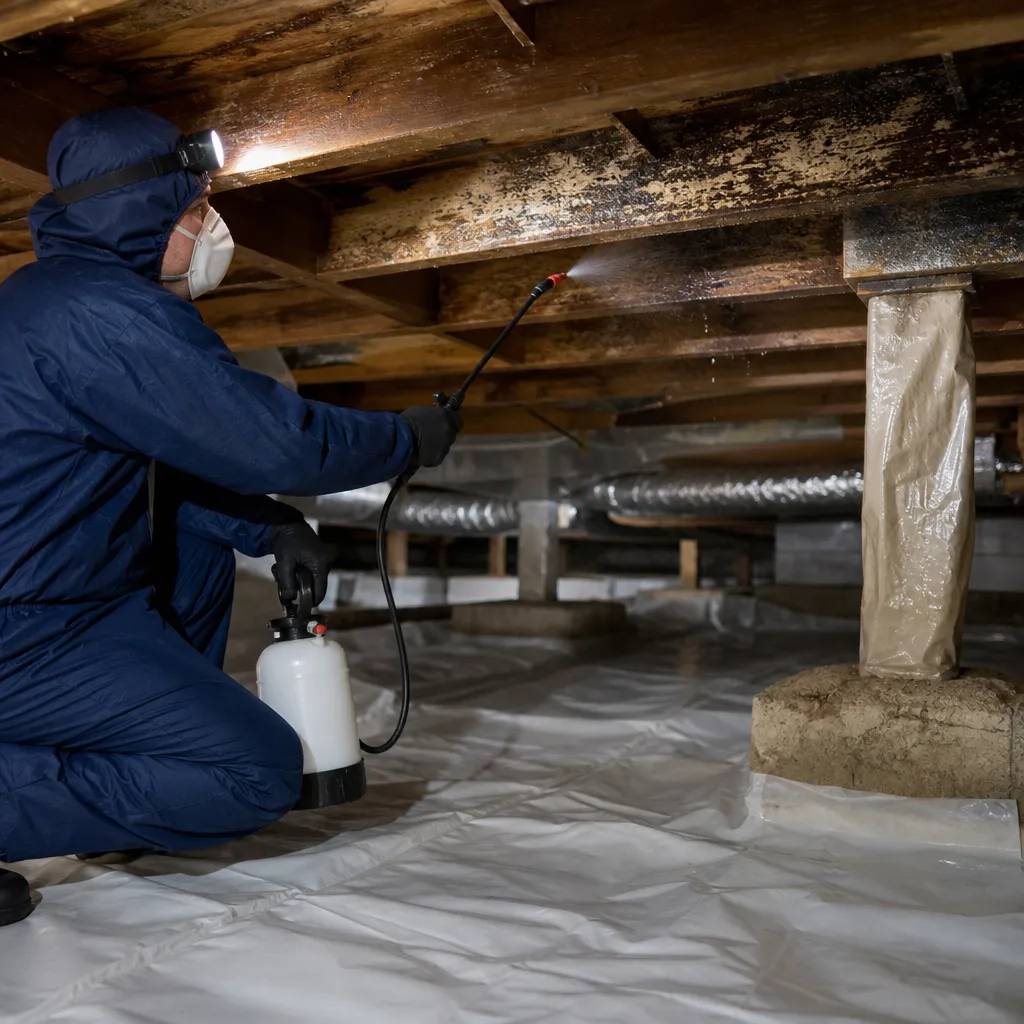
Call a professional when your scope includes any reconstruction beyond emergency mitigation, when your property is in a coastal or flood zone, when prior restoration work may have been unpermitted, or when your insurance claim involves supplements or re-inspection. The documentation gap between mitigation and reconstruction is where most homeowners lose control of their claim, their timeline, and their property value.
DryMark Restoration Boynton Beach offers free estimates in Boynton Beach and across Palm Beach County. Every estimate includes explicit permit identification, written pricing under Haven Standard, Clause 1, and a documented photo record. We also provide a Free Second Opinion on any competitor’s written estimate - bring your scope and we’ll review permit requirements, documentation completeness, and pricing accuracy at no charge. Call (754) 227-6524. A live person answers, 24 hours a day, 7 days a week.
Frequently Asked Questions
No. Emergency mitigation - water extraction, drying, controlled demolition of damaged materials - typically requires no permit. Reconstruction - drywall replacement, electrical work, plumbing, structural repair - almost always does. The distinction is critical, and many contractors blur it to avoid delays. If your scope includes putting materials back, verify permit requirements with Palm Beach County Building Division.
Search Palm Beach County’s online permit portal by property address, permit number, or contractor name. Verify the permit status shows “Issued” or “Active,” track inspection milestones through final approval, and download the final inspection report. A permit number alone means nothing if inspections were never completed and signed off. If you cannot find a permit for reconstruction work, the work was not permitted.
Unpermitted work is a material defect that must be disclosed under Florida law. Buyers’ lenders may require retroactive permits and inspections. Title insurers may exclude coverage for unpermitted improvements. The cost to open walls, prove code compliance, and close permits retroactively typically exceeds the original permit fee by 10-20x. The permit you skipped for $150 becomes a $3,000 problem at closing.
Permit fees are typically recoverable as part of the “cost to repair” under standard homeowner policies, though carriers may not volunteer this. Submit permit fees, plan review costs, and inspection fees as documented line items with your claim. A closed permit with final inspection strengthens your position by proving work met code, reducing the carrier’s basis for depreciation or denial. Photo documentation of permit posting at the job site supports your submission.
Standard permit review in Palm Beach County runs 3-5 business days for straightforward residential restoration. Hurricane season surge extends this to 10-14 days, with post-storm peaks reaching 3-4 weeks for complex scopes. Inspection scheduling adds 1-3 days per milestone. These timelines are why emergency mitigation proceeds under exemption while permits process - moisture continues damaging structure regardless of administrative status. Contractors who promise immediate reconstruction during surge periods are performing unpermitted work or misleading you about timelines.
An open permit has been applied for and possibly issued, but inspections are incomplete or final approval is pending. A closed permit has passed all required inspections and received final approval or certificate of completion. Open permits appear in title searches and create liability. Only closed permits provide the documentation protection this guide describes. Verify closure through the Palm Beach County portal - never accept a contractor’s word alone.
The Bottom Line
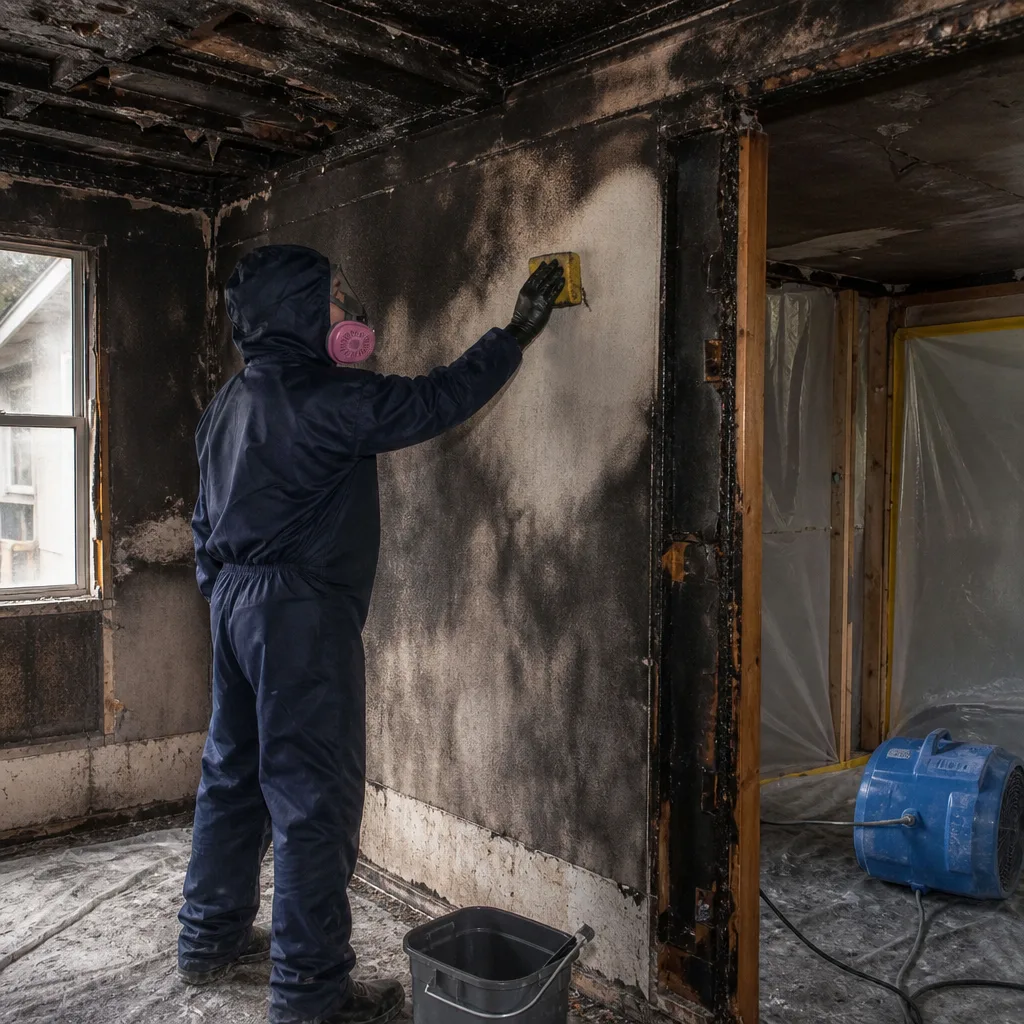
Florida’s restoration permitting requirements are not bureaucratic obstacles. They are documentation mechanisms that protect homeowners at claim time, at resale, and during subsequent losses. The distinction between mitigation and reconstruction is where most permitting failures begin, and where informed homeowners maintain control. In Boynton Beach’s humid, hurricane-exposed climate, the permit record joins the drying log and photo documentation as essential components of a defensible restoration file. Verify every permit through Palm Beach County’s portal. Store every closed permit permanently. And demand written scopes that explicitly address permitting under Haven Standard, Clause 1 - because a written price before work begins is meaningless if the work itself cannot be proven.
Written by Alicia Brennan, Owner at DryMark Restoration Boynton Beach, serving Boynton Beach since 2011.