
Last updated September 23, 2026
Free visual inspection and a written scope of work before any mitigation begins - photos, moisture readings, and drying logs go in your claim file
The scope we write is the scope we bill. Anything new gets shown to you, in writing, before we touch it.
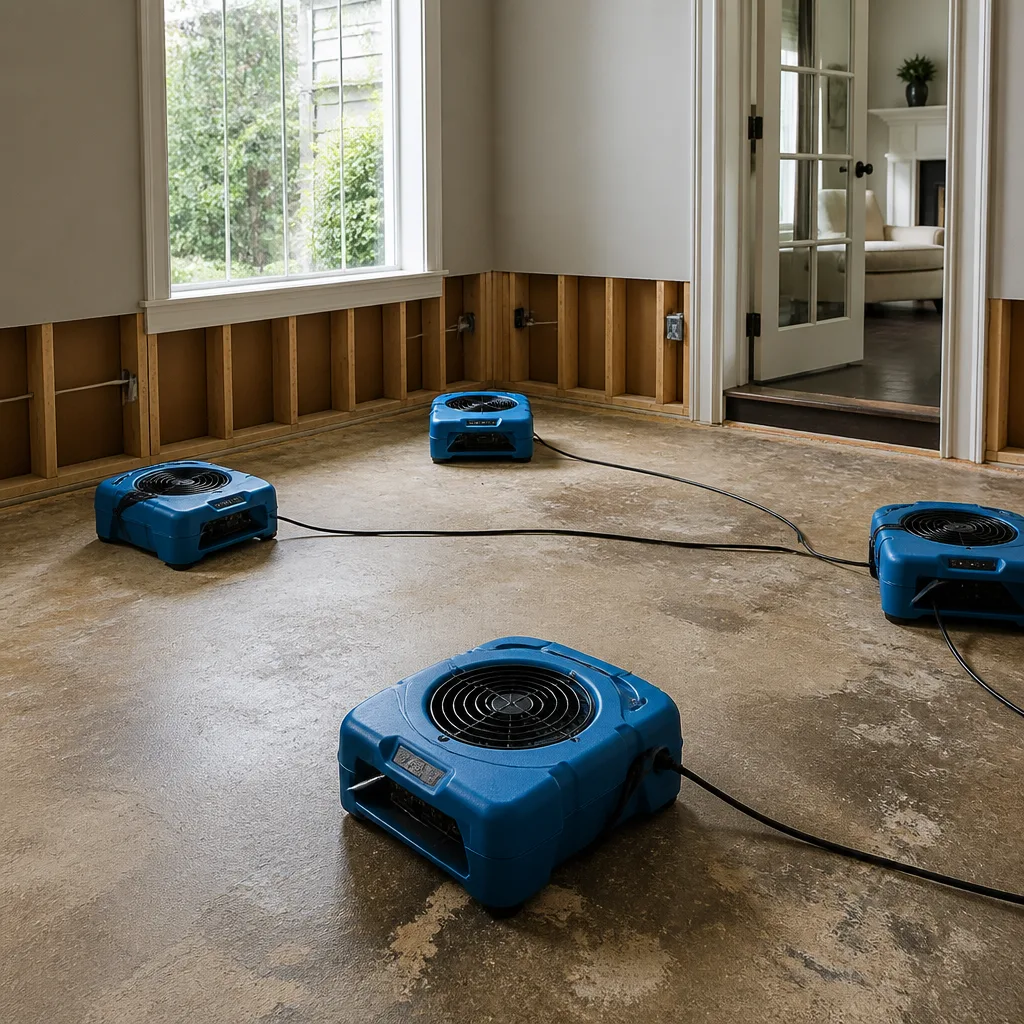

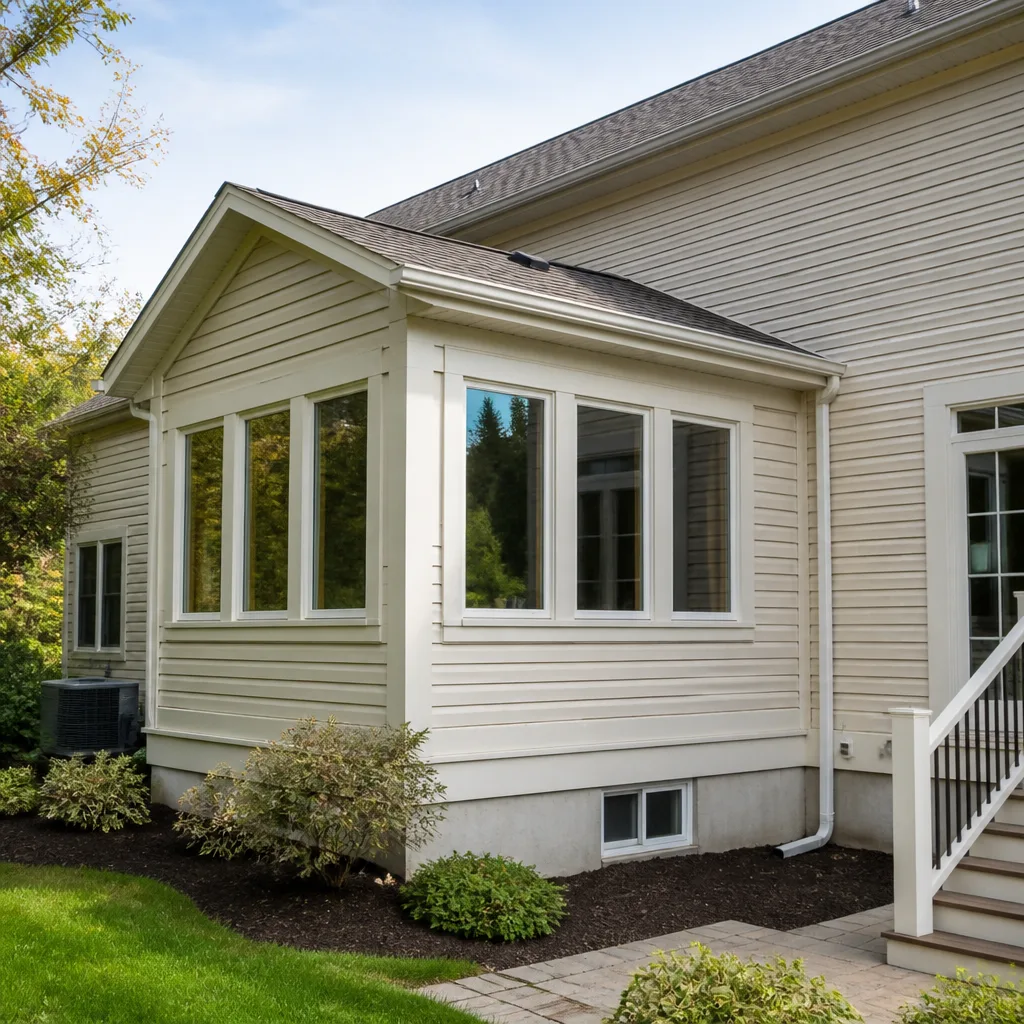
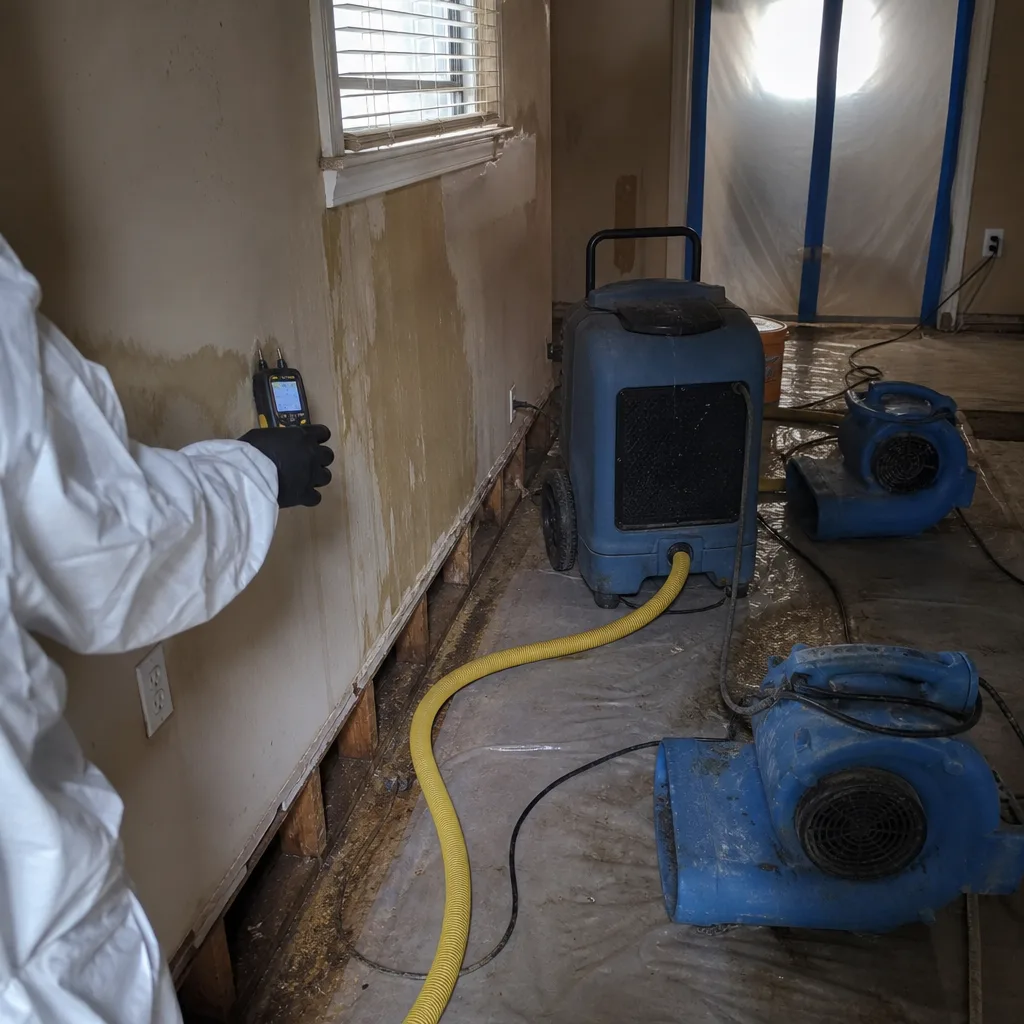 Before
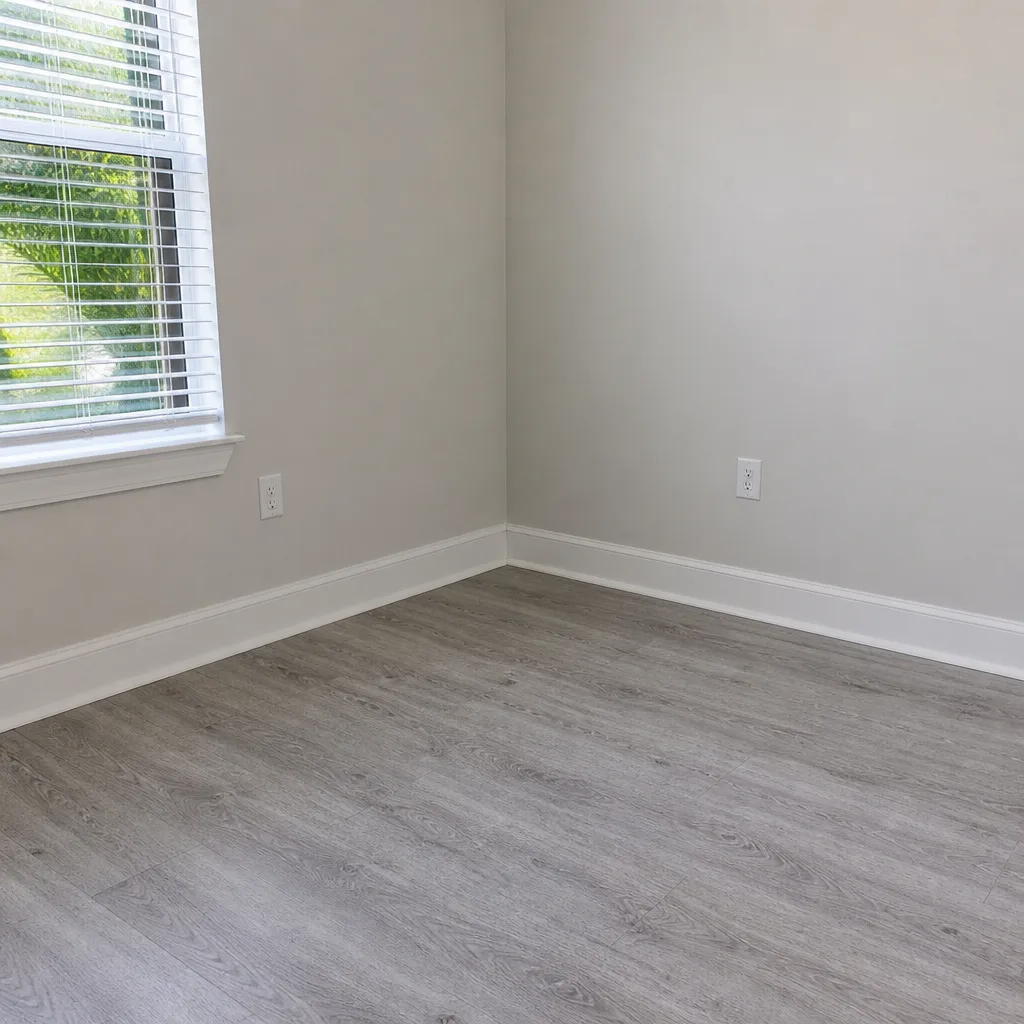 After
After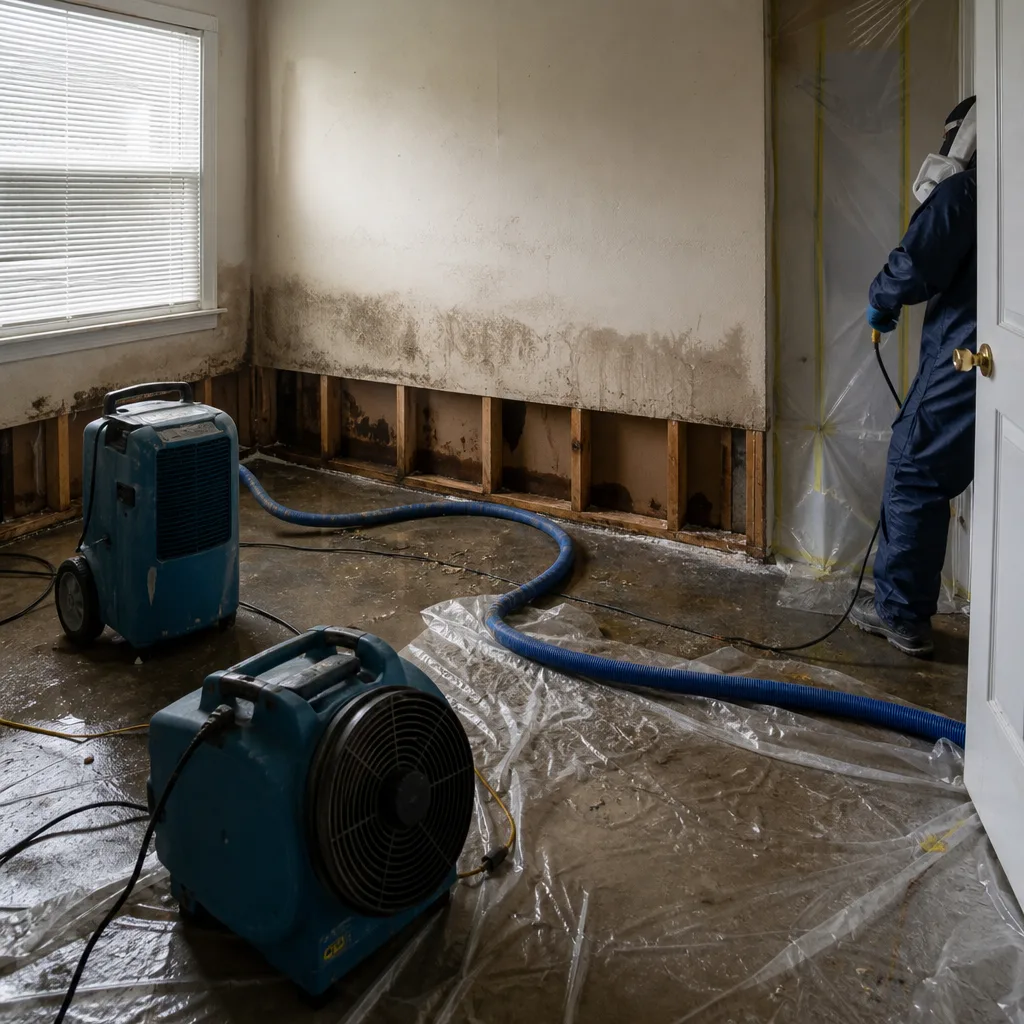 Before
 After
After Before
 After
AfterHow to Hire a Damage Restoration Contractor in Boynton Beach: A Step-by-Step Guide
Florida’s contractor fraud complaints spike after every named storm, and Palm Beach County is no exception. But the more common loss isn’t outright fraud. It’s a legitimate contractor who does real work and produces a file so thin that the insurer pays 60 cents on the dollar. In Boynton Beach, where summer humidity stays above 80 percent from June through October and a single slow leak can colonize mold behind drywall in 72 hours, the contractor you hire needs to be as good at documentation as they are at demolition. This complete guide to damage restoration in Boynton Beach shows you exactly what to demand in writing before anyone starts work.
Quick Answer
To hire a damage restoration contractor in Boynton Beach, verify five credentials through state databases, demand a written scope with line-item pricing before any work begins, and structure payment around documented milestones rather than calendar dates, as outlined in our Water Damage Restoration Maintenance Checklist for Boynton Beach Homeowners. The contractor should produce daily drying logs with moisture readings and a photo record on every visit, not a verbal closeout.
Table of Contents
- How to Verify Licenses and Certifications in Florida
- What a Written Scope of Work Must Include
- Why Assignment of Benefits Agreements Create Conflicts
- Three Interview Questions That Reveal Documentation Quality
- How to Structure Payment Around Documented Milestones
- Boynton Beach Climate and Code Considerations
- Common Mistakes to Avoid
- When to Call a Professional
- Frequently Asked Questions
 Before
 After
AfterHow to Verify Licenses and Certifications in Florida
Every restoration contractor working in Boynton Beach needs more than a truck and a moisture meter. Florida’s Department of Business and Professional Regulation maintains public databases, and five checks separate a legitimate operator from someone who might leave you with an unpaid claim.
The Five Checks (Under 10 Minutes Each)
- DBPR Contractor License. Visit myfloridalicense.com and search the contractor’s name or license number. A certified general contractor (CGC) or certified building contractor (CBC) can perform structural restoration. A registered contractor is limited to local jurisdiction. The license status should read “Current/Active” with no disciplinary history in the past three years.
- IICRC Firm Certification. The Institute of Inspection, Cleaning and Restoration Certification lists certified firms on iicrc.org. This is not an individual technician’s weekend course. It’s a firm-level certification requiring ongoing education, insurance verification, and adherence to ANSI-approved standards. Ask for the firm’s IICRC number and cross-check it.
- RIA or IFA Affiliation. The Restoration Industry Association and Indoor Air Quality Association maintain member directories. These aren’t licenses, but they indicate participation in industry standards development and continuing education. A contractor active in RIA or IFA is more likely to produce documentation that meets insurer scrutiny.
- General Liability Insurance. Request a certificate of insurance (COI) naming you as additional insured for the project duration. Minimum $1 million per occurrence is standard for residential restoration in Palm Beach County. Call the insurer’s number on the COI to verify the policy is active, not expired or cancelled for non-payment.
- Workers’ Compensation Coverage. Florida requires workers’ comp for construction businesses with one or more employees. Verify through the Division of Workers’ Compensation at myfloridacfo.com. If a worker is injured on your property and the contractor lacks coverage, your homeowner’s policy becomes the primary target.
We have seen homeowners in Boynton Beach skip the COI call and regret it six months later when a subrogation claim arrives from an insurer they’ve never heard of. The ten minutes of verification is the cheapest insurance you’ll buy.
What a Written Scope of Work Must Include
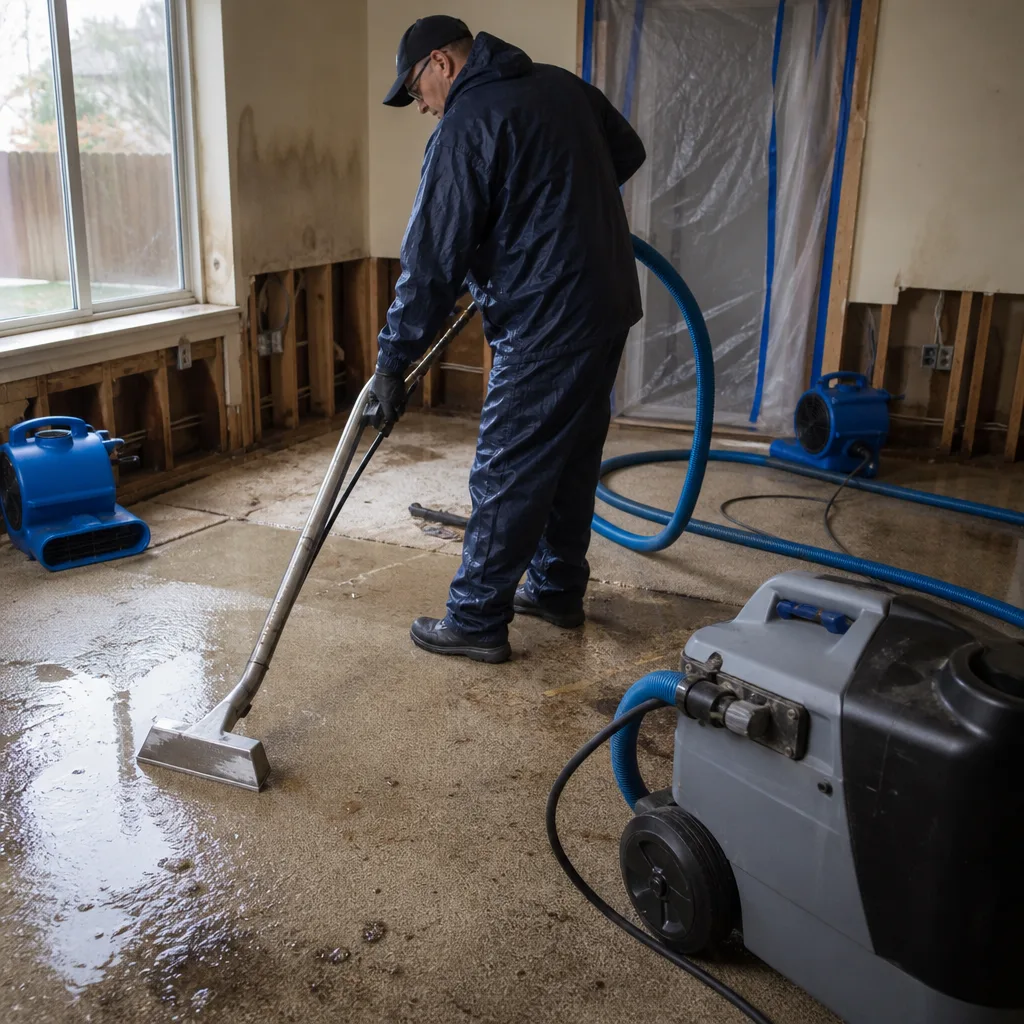
Haven Standard, Clause 1 states: a written price before any work starts, every time, with no exceptions. This isn’t marketing language. It’s the documentation standard that turns a restoration invoice into a payable claim. Before any demolition begins in your Boynton Beach home, the written scope must contain four elements.
Line-Item Pricing
Each task gets its own line: water extraction, demolition of affected drywall (measured in square feet), antimicrobial application, equipment rental per day, and reconstruction. Lump-sum quotes hide scope creep. Line-item pricing lets you verify each charge against the documented work.
Affected Material Quantities
The scope must state the square footage of wet carpet, the linear feet of baseboard removed, and the classification of affected materials by porosity. Class 1 materials (tile, concrete) retain less moisture and dry faster. Class 4 materials (plaster, hardwood) require specialized drying protocols. A contractor who doesn’t classify materials doesn’t understand what equipment to deploy or how long drying will take.
Drying Methodology
The scope should specify whether the contractor will use conventional dehumidification, low-grain refrigerant (LGR) dehumidifiers, or desiccant systems based on the psychrometric conditions. Psychrometrics is the study of air and moisture relationships; it tells a technician when to switch from primary drying (removing bulk water) to secondary drying (vapor removal) to tertiary drying (equilibrium moisture content verification). A scope without methodology is a guess with a price attached.
Equipment Specifications
Request the make and model of dehumidifiers, air movers, and specialty drying systems. Professional-grade equipment from manufacturers like Dri-Eaz, Phoenix, and Injectidry produces verifiable performance data. An Injectidry HP60, for example, creates negative air pressure within wall cavities for targeted drying. The equipment list becomes part of your documentation file if the insurer questions whether the drying effort matched the loss.
At DryMark Restoration Boynton Beach home, every scope we write includes these four elements plus a photo record baseline taken before any work begins. The homeowner receives a copy before the first air mover is plugged in.
Why Assignment of Benefits Agreements Create Conflicts
Assignment of benefits, or AOB, is a legal document that transfers your insurance claim rights to the contractor. In Florida, AOB agreements were so widely abused that the legislature reformed them in 2019 and again in 2022. The current law requires AOB contracts to include a 14-day rescission period, prohibits assignment of supplemental claims without explicit consent, and limits attorney fee awards in AOB litigation.
Despite reforms, AOB still creates a fundamental conflict. When a contractor holds your claim rights, their financial incentive shifts from documenting the actual loss to maximizing the claim payout. We’ve reviewed files where the contractor’s estimate exceeded the independent adjuster’s scope by 40 percent, and the homeowner was caught between two parties they no longer controlled.
Warning Language in Contractor Paperwork
Watch for these phrases in any agreement:
- “We will handle all communication with your insurance company.” This often precedes an AOB or a de facto AOB through a limited power of attorney.
- “Sign here to authorize emergency repairs.” Read the full document. Some contractors embed assignment language in work authorization forms.
- “No out-of-pocket cost to you.” This usually means the contractor intends to collect the full amount from your insurer, including your deductible, through inflated billing.
The alternative is direct billing with full transparency. The contractor works for you, produces documentation for you, and bills your insurer with your knowledge. You retain control of the claim, the settlement, and any disputes. At DryMark Restoration Boynton Beach, we work under your direction and provide the documentation you need to file your own claim or work with your adjuster directly.
Three Interview Questions That Reveal Documentation Quality
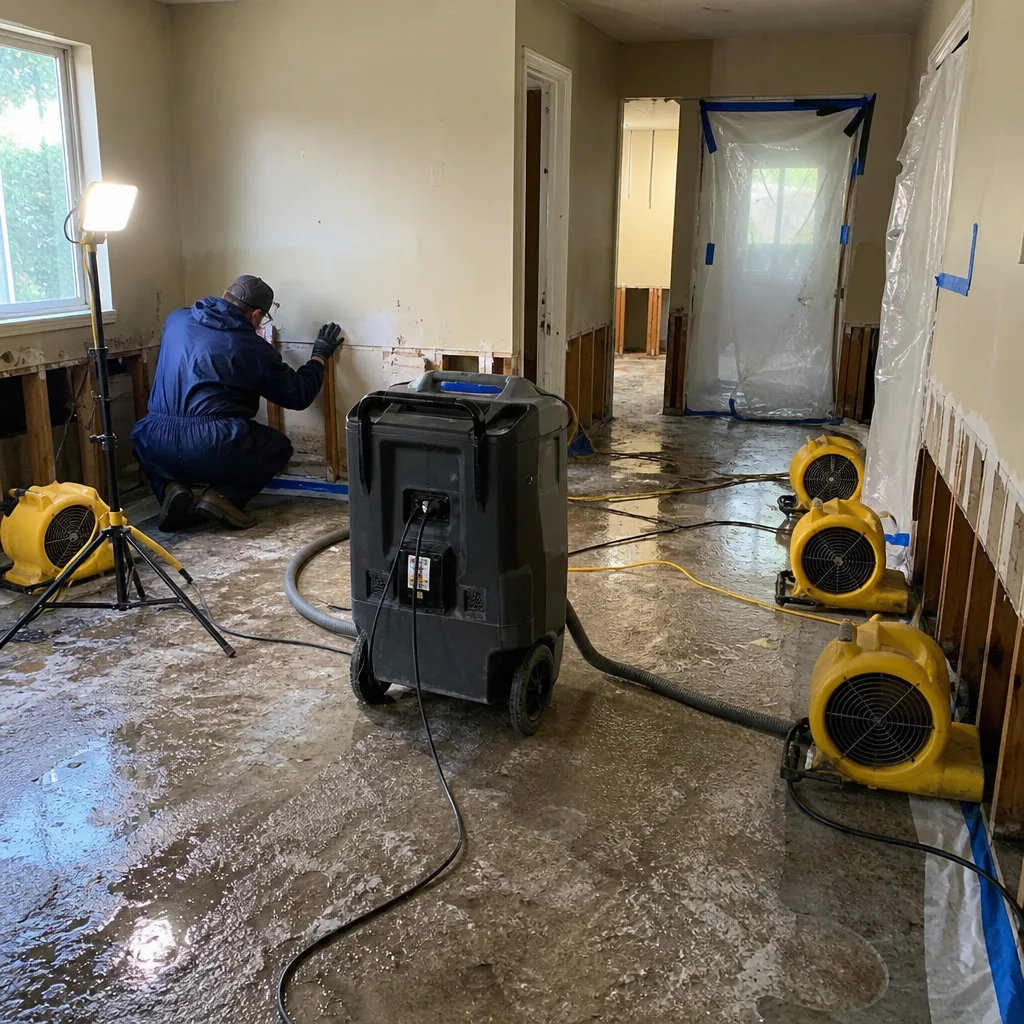
Most contractors can describe their equipment and their response time. Few can describe their documentation process in detail. These three questions separate the two categories.
Question 1: “Can I see a sample daily drying log?”
An honest contractor will show you a redacted log from a previous job. The log should include: date and time of each visit, room-by-room moisture content readings in affected materials (measured with a pin or pinless moisture meter), relative humidity and temperature readings, equipment inventory and placement map, and psychrometric calculations showing progress toward drying goals.
A contractor who hesitates, offers to “put something together,” or describes logs in vague terms (“we check everything daily”) does not produce consistent documentation. In our experience, the drying log is the document insurers scrutinize most closely. Without it, they assume drying was incomplete or unnecessary.
Question 2: “What does my photo record include, and when do I receive it?”
The answer should be: photos of the loss before any work, photos of demolition boundaries, photos of equipment placement, photos of moisture readings with the meter visible in frame, and photos of the completed drying phase. The record should be delivered at project closeout, not “available upon request” or “in our files.”
We deliver our photo record as a dated, indexed folder with every image timestamped and geotagged. A homeowner in Boynton Beach’s Chapel Hill neighborhood used our photo record last year to dispute a secondary mold claim that arose eight months after the original loss. The dated images proved the affected area had been fully remediated and reconstructed.
Question 3: “How do you determine when drying is complete?”
The correct answer involves equilibrium moisture content (EMC), not a calendar. EMC is the moisture level at which a material neither gains nor loses moisture to the surrounding air. For structural wood in Boynton Beach’s climate, EMC typically ranges from 11 to 14 percent. A contractor who says “three to five days” without referencing moisture readings is guessing. A contractor who explains EMC, shows you the target numbers for your specific materials, and verifies attainment with a calibrated moisture meter is following IICRC S500 standards.
These questions work because they test process, not promises. Any contractor can promise fast response. Only a documented process produces a payable claim.
How to Structure Payment Around Documented Milestones
The standard payment schedule in restoration is problematic: 50 percent upfront, 50 percent on completion. The problem is that “completion” is a calendar date, not a verifiable condition. If drying fails and mold appears three weeks later, the contractor has been paid and the homeowner has no leverage.
A milestone-based schedule ties payment release to deliverables you can verify. Here’s a structure we’ve used in Boynton Beach since 2011:
| Milestone | Deliverable Required | Payment Percentage |
|---|---|---|
| Emergency stabilization | Written scope signed, photo baseline delivered, water extraction complete with moisture readings showing standing water eliminated | 25% |
| Demolition and setup | Drying log initiated, equipment placement map delivered, affected materials classified and quantified in writing | 25% |
| Drying completion | Three consecutive days of moisture readings at or below EMC targets, psychrometric data showing stable conditions, photo record of dry state | 25% |
| Reconstruction and closeout | Final walkthrough signed, 365-Day Done Right Promise warranty delivered, complete documentation file transferred to homeowner | 25% |
This structure aligns the contractor’s financial incentive with documentation quality. Each payment requires proof of progress, not passage of time. If a contractor refuses milestone-based payment, that refusal is information. It suggests they cannot or will not produce the documentation required to justify each phase.
For Water Damage Restoration in Boynton Beach, this payment structure is particularly important because secondary damage from incomplete drying may not appear for weeks. The milestone system holds the contractor accountable through the latent period.
Boynton Beach Climate and Code Considerations
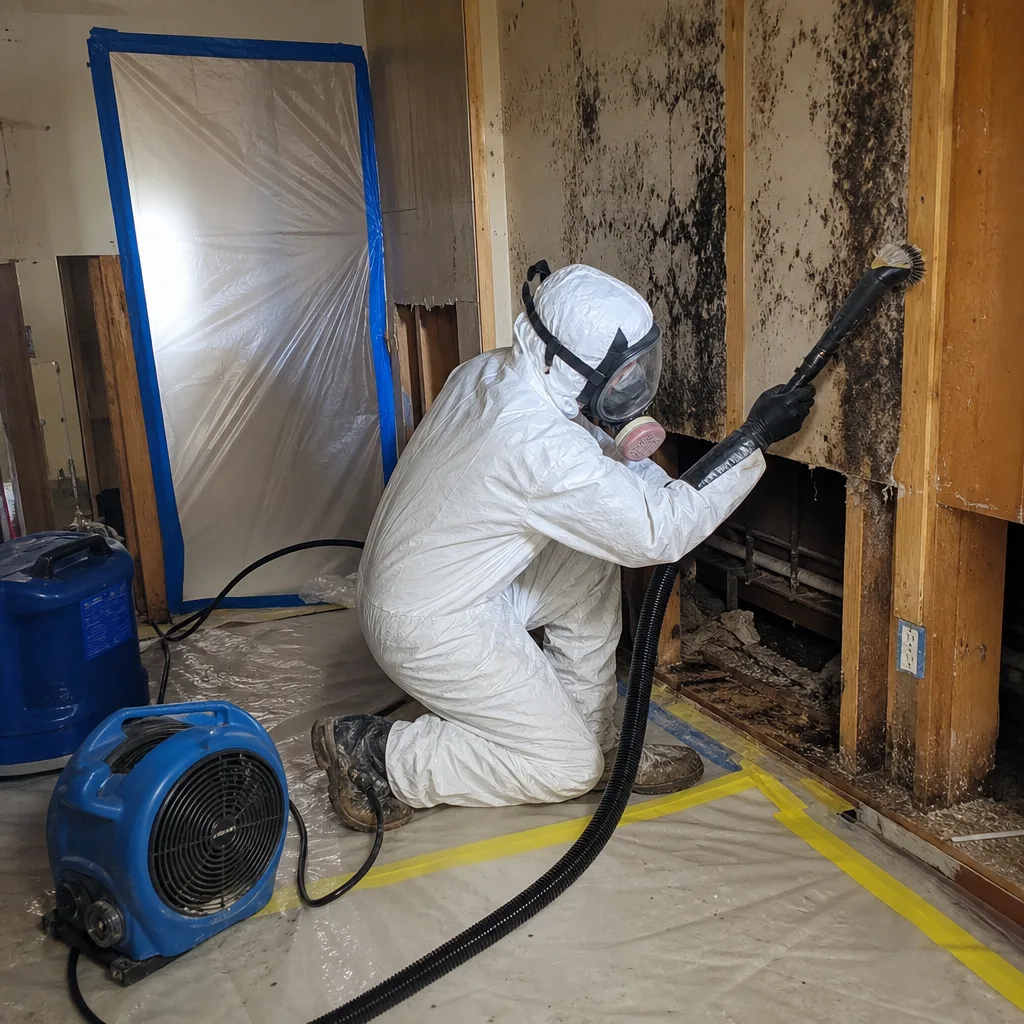
Boynton Beach’s location on the Atlantic coastal ridge creates specific restoration challenges that inland Florida contractors may not anticipate. Understanding these conditions helps you evaluate whether a contractor’s scope addresses your actual loss, as detailed in our Seasonal Damage Restoration Care for Boynton Beach: Year-Round Homeowner’s Guide.
Humidity and Salt Air
Average relative humidity in Boynton Beach exceeds 75 percent for eight months of the year. Salt air from the Atlantic accelerates corrosion in HVAC systems and electrical components. A contractor who sets drying targets based on Orlando or Tampa data will underestimate equipment run time. The psychrometric calculations should use local design conditions: 91°F dry bulb, 78°F wet bulb for summer cooling load calculations per Florida Building Code.
High Water Table and Slab Construction
Much of Boynton Beach sits on the Biscayne Aquifer with a water table between 3 and 8 feet below grade. Concrete slab-on-grade construction is standard. When water damage occurs, moisture wicks through slab edges and can migrate under flooring without visible surface evidence. A proper scope includes moisture mapping of slab perimeters and may specify vapor pressure differential testing to detect subsurface moisture.
Wind-Borne Debris Zones
Palm Beach County requires impact-resistant openings in wind-borne debris zones. If your loss involves window or door damage, the replacement must meet Florida Building Code Chapter 16 requirements for your specific wind speed zone. A restoration contractor who subcontracts reconstruction should verify that their window supplier is Miami-Dade County approved. We’ve seen non-compliant replacements ordered by out-of-area contractors who didn’t understand local code.
Neighborhood-Specific Considerations
In Canyon Isles and Valencia Cove, HOA architectural review boards require pre-approval of exterior modifications. A contractor who begins demolition of stucco or roofing without HOA documentation can leave you with a finished repair that violates community standards. In older Boynton Beach neighborhoods like Ocean Ridge, asbestos-containing materials in pre-1981 construction require abatement certification before disturbance. The scope should identify testing and abatement as separate line items if applicable.
Common Mistakes to Avoid
- Choosing by response time alone. A contractor who arrives in 30 minutes with no documentation plan will cost more than one who arrives in two hours with a written scope. Speed of arrival does not equal quality of process.
- Accepting verbal estimates. Florida law requires written contracts for home improvement work exceeding $1,000. More importantly, verbal estimates cannot be submitted to insurers. If it’s not written, it doesn’t exist for claim purposes.
- Signing blank work authorizations. Any document with blank spaces for dollar amounts or scope items will be filled in later, often not to your benefit. Cross out blank spaces or refuse to sign until complete.
- Ignoring the deductible. A contractor who offers to “cover your deductible” is likely inflating the claim or performing unnecessary work. This is insurance fraud, and the homeowner shares liability.
- Failing to verify local permit requirements. Boynton Beach requires permits for structural repairs, electrical work, and plumbing modifications over $1,000. A contractor who suggests working without permits to “save time” is creating a title issue for your future sale.
- Not requesting equipment specifications. Generic “dehumidifiers and fans” language hides low-capacity equipment that extends drying time and increases rental charges. Demand make, model, and capacity ratings.
- Paying the final installment before documentation transfer. Your complete file, including drying logs, photo records, and warranty documents, should be in your possession before the final payment clears. After payment, your leverage disappears.
When to Call a Professional
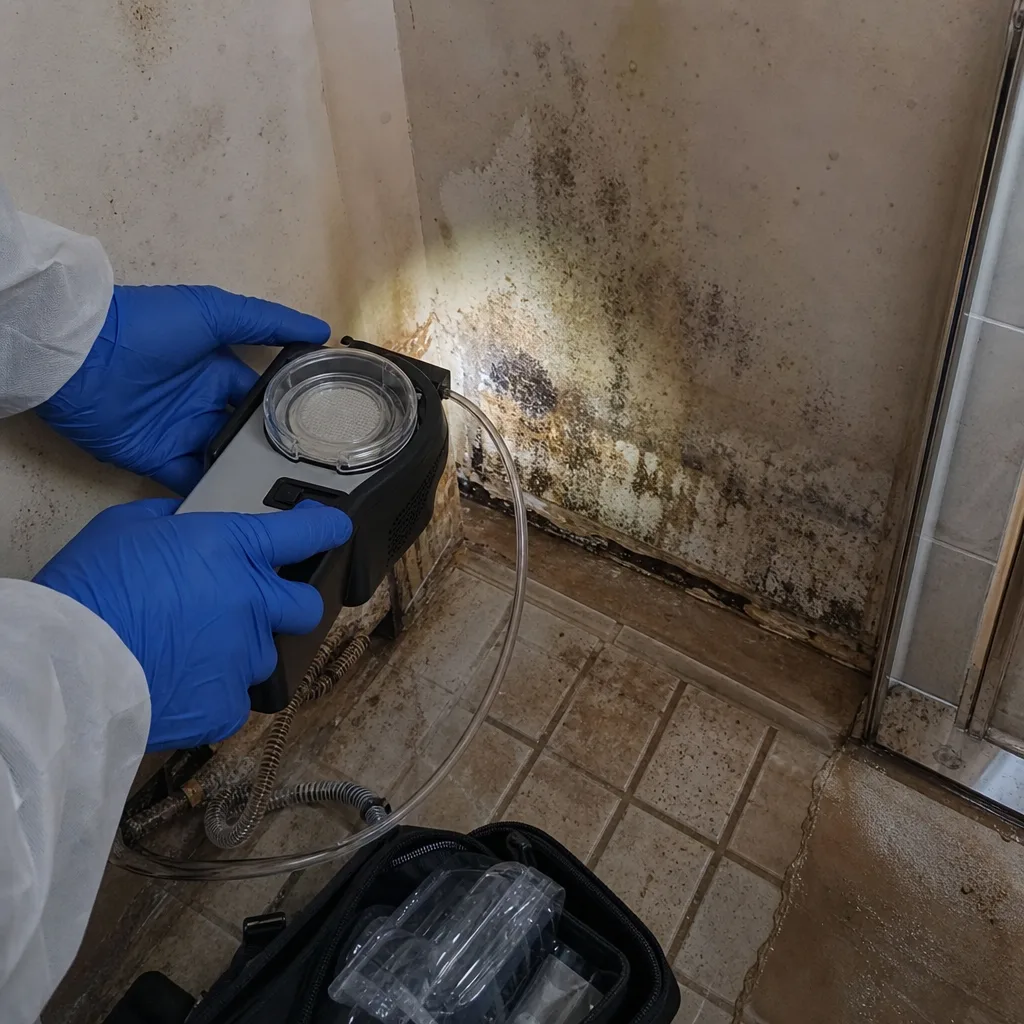
Some situations in Boynton Beach require immediate professional intervention regardless of your DIY comfort level. Category 3 water damage, sewage backup, fire and smoke damage, and any mold growth exceeding 10 square feet involve health hazards and regulatory requirements beyond homeowner management. Mold Remediation in Boynton Beach requires containment and negative air pressure under Florida Department of Health guidelines. Fire damage involves acidic soot that continues degrading surfaces until professionally cleaned.
If you’re unsure whether your situation qualifies, DryMark Restoration Boynton Beach offers free estimates in Boynton Beach. Call (754) 227-6524 and a live person will answer, 24 hours a day, 7 days a week. We’ll review your situation, explain what documentation you’ll receive, and provide a written price before any work begins. If you have a competitor’s estimate, we’ll review it at no charge through our Free Second Opinion service.
Frequently Asked Questions
Water damage mitigation in Boynton Beach typically ranges from $1,200 for limited extraction and drying to $8,500 for whole-house drying with extensive demolition. Mold remediation averages $15-$25 per square foot of affected area. Fire and smoke restoration starts around $3,000 for light soot cleaning and can exceed $50,000 for structural reconstruction. Every job is quoted in writing before work begins. Call (754) 227-6524 for an exact quote; estimates are free.
Coverage depends on your policy language, the cause of loss, and the documentation quality your contractor produces. Sudden and accidental water damage is typically covered; gradual leaks and maintenance issues are not. The single biggest factor in claim payment is whether your contractor’s file supports the invoice with moisture readings, photo documentation, and a written scope. We produce daily drying logs and photo records specifically to maximize legitimate claim payment. Call (754) 227-6524 to discuss your specific policy situation.
For emergency water damage, DryMark Restoration Boynton Beach maintains 24/7 live dispatch with no voicemail trees. Response time depends on current storm activity and your location within our service area, but we prioritize calls by loss severity. However, speed should never replace documentation. A contractor who arrives fast but without a written scope creates the conditions for an unpaid claim. Call (754) 227-6524 for current response times.
For water damage, self-managed extraction is possible for Category 1 losses under 50 square feet with immediate action. Anything involving Category 2 or 3 water, HVAC contamination, or delay beyond 24 hours requires professional drying equipment and documentation. For mold, Florida recommends professional remediation for growth exceeding 10 square feet. DIY mold removal without containment spreads spores and creates liability issues. Fire & Smoke Damage Restoration in Boynton Beach should never be attempted without professional-grade HEPA filtration and chemical-specific cleaning agents.
You do, or your public adjuster does. The contractor works for you and produces documentation for your claim. We provide complete files, including drying logs, photo records, and written scopes formatted for adjuster review. We do not negotiate your settlement, sign your checks, or file claims on your behalf. This preserves your control and avoids the conflicts created by assignment of benefits agreements.
Walk away. Florida law gives you three business days to cancel most home solicitation contracts, but emergency situations create psychological pressure that overrides legal protection. Any contractor who cannot give you time to verify credentials, read the full agreement, and compare estimates is not operating transparently. The Haven Standard, Clause 1 requires a written price before work begins; pressure to sign before receiving that price violates the standard we established in 2011.
The Bottom Line
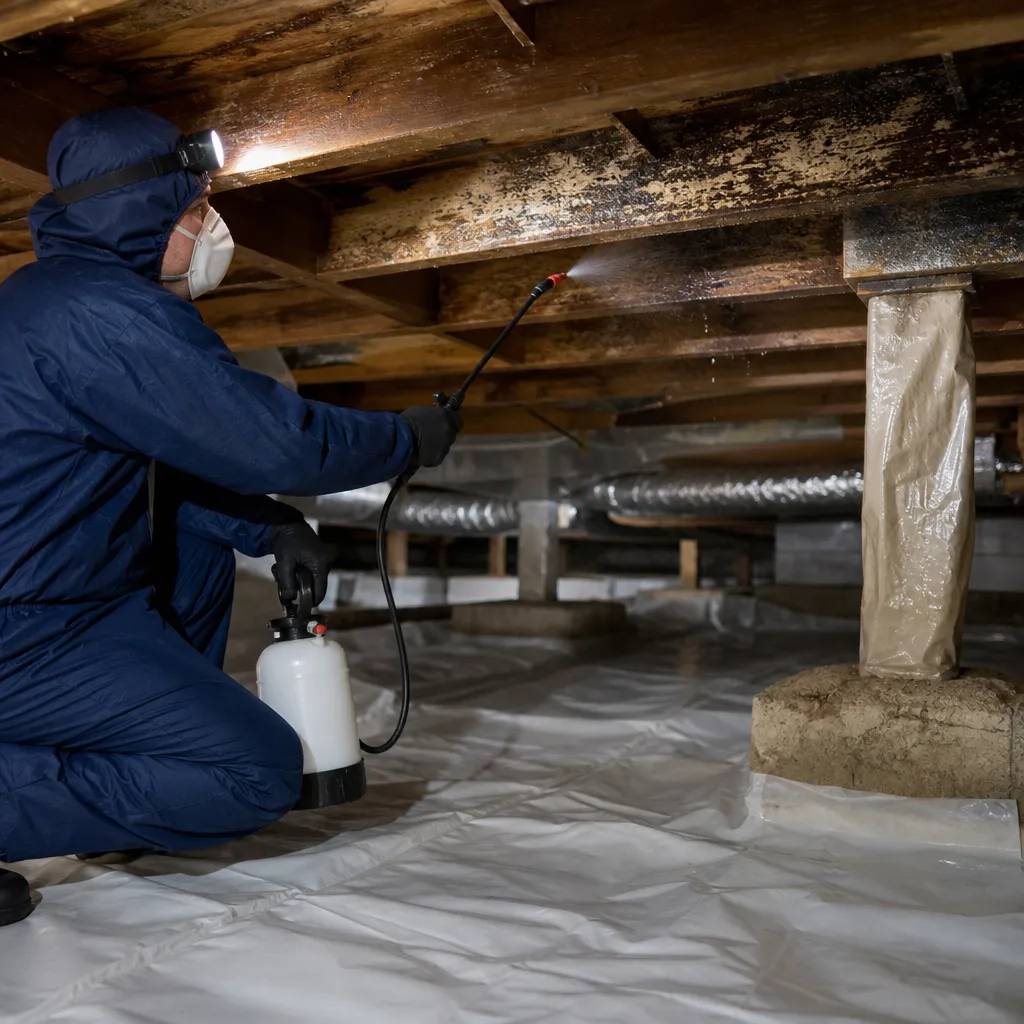
Hiring a damage restoration contractor in Boynton Beach is a documentation decision disguised as a service decision. The contractor who produces daily drying logs, photo records, and written scopes with line-item pricing protects your claim as effectively as they protect your property. Verify five credentials through state databases. Demand a written scope before demolition. Structure payment around verifiable milestones, not calendar dates. Avoid assignment of benefits agreements that transfer your claim control. And interview for process, not promises. The answers you receive will predict the file you’ll submit to your insurer. For more guides & resources, visit our blog.
Since 2011, Back to Dry Restoration has operated under The Haven Standard: written price before work begins, documented photo record on every visit, and the 365-Day Done Right Promise backed by a signed guarantee. We’ve restored 12,000+ homes, every one with the documentation that turns restoration invoices into payable claims.
Written by Alicia Brennan, Owner at DryMark Restoration Boynton Beach, serving Boynton Beach since 2011.