
Last updated September 23, 2026
Free visual inspection and a written scope of work before any mitigation begins - photos, moisture readings, and drying logs go in your claim file
The scope we write is the scope we bill. Anything new gets shown to you, in writing, before we touch it.
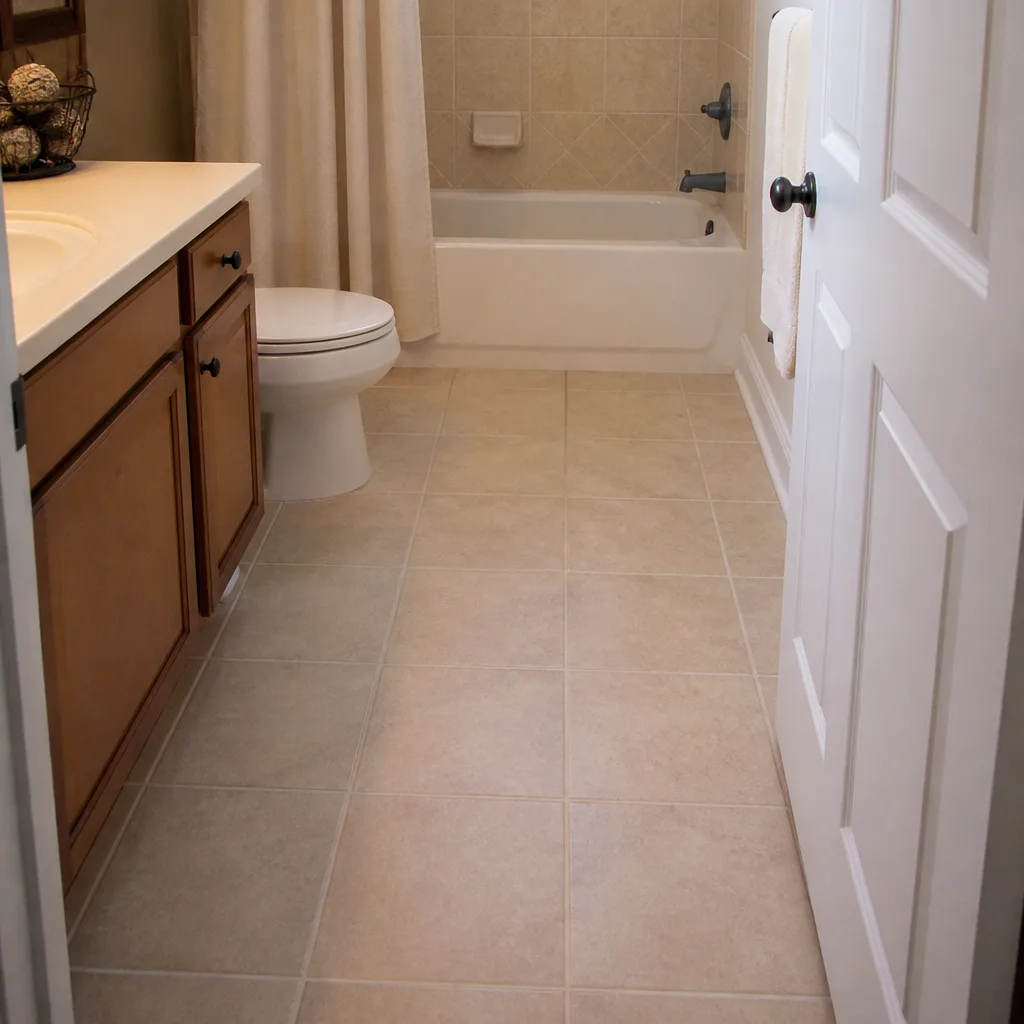
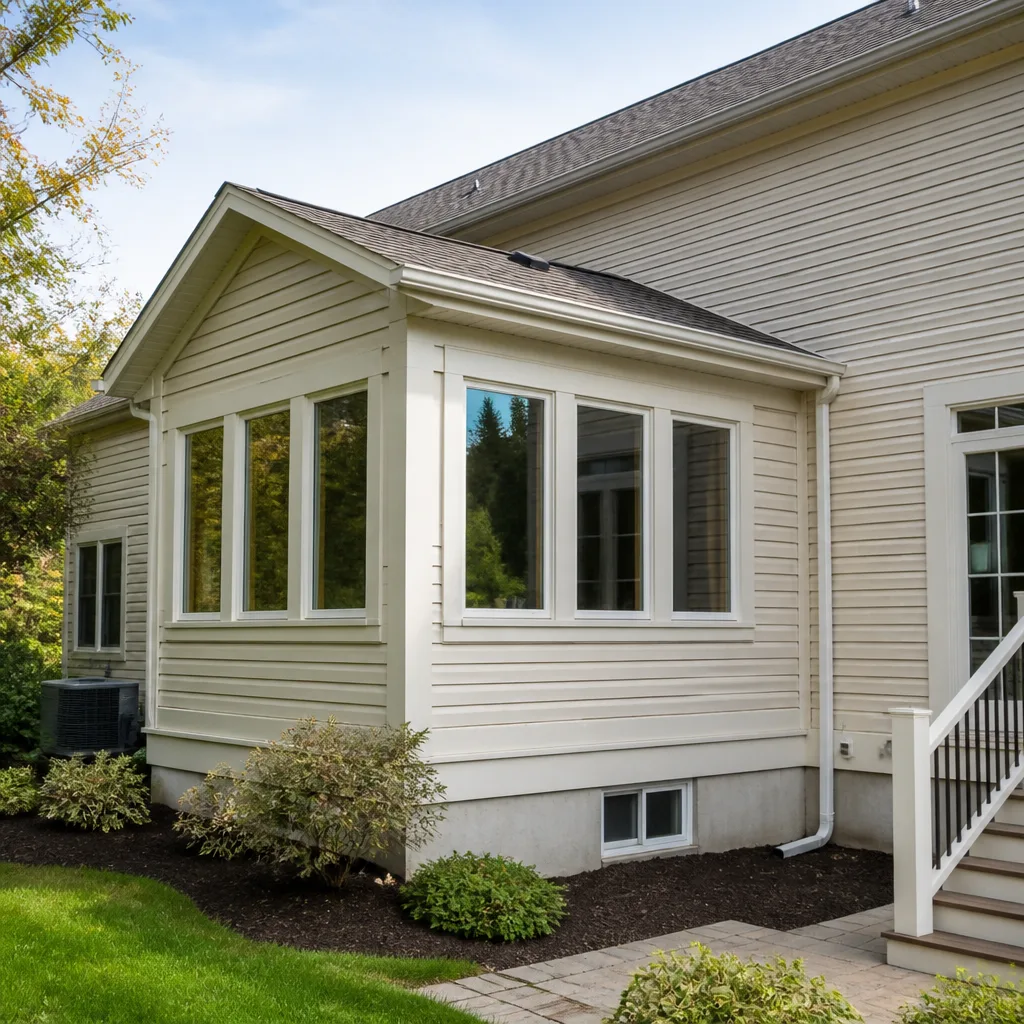
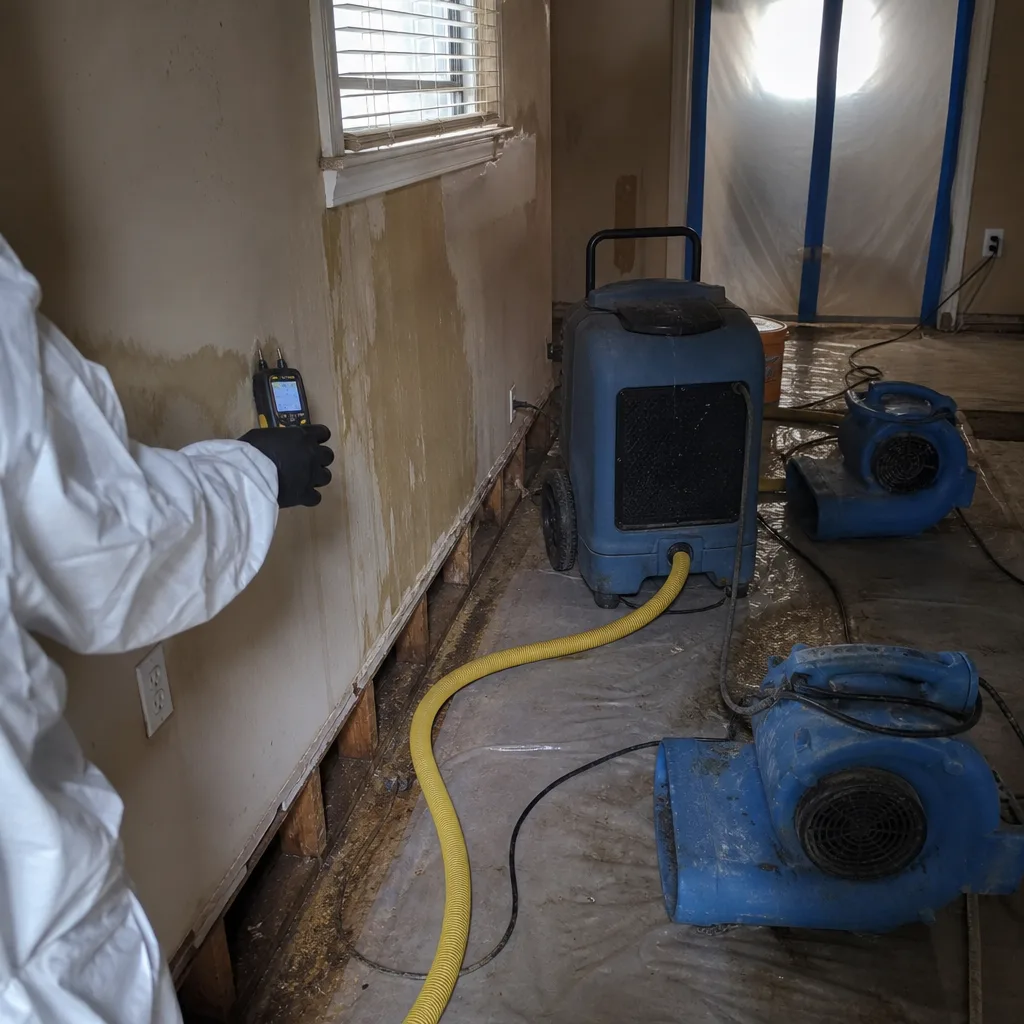 Before
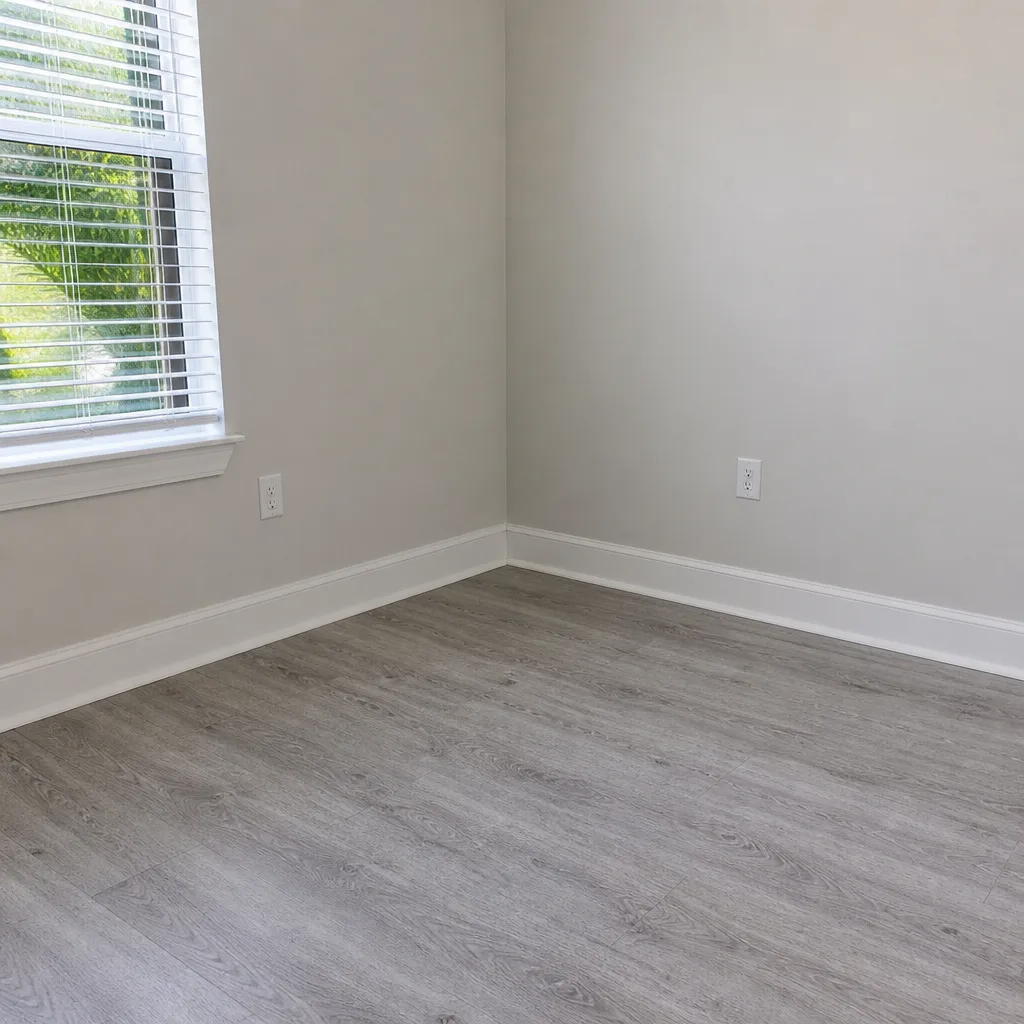 After
After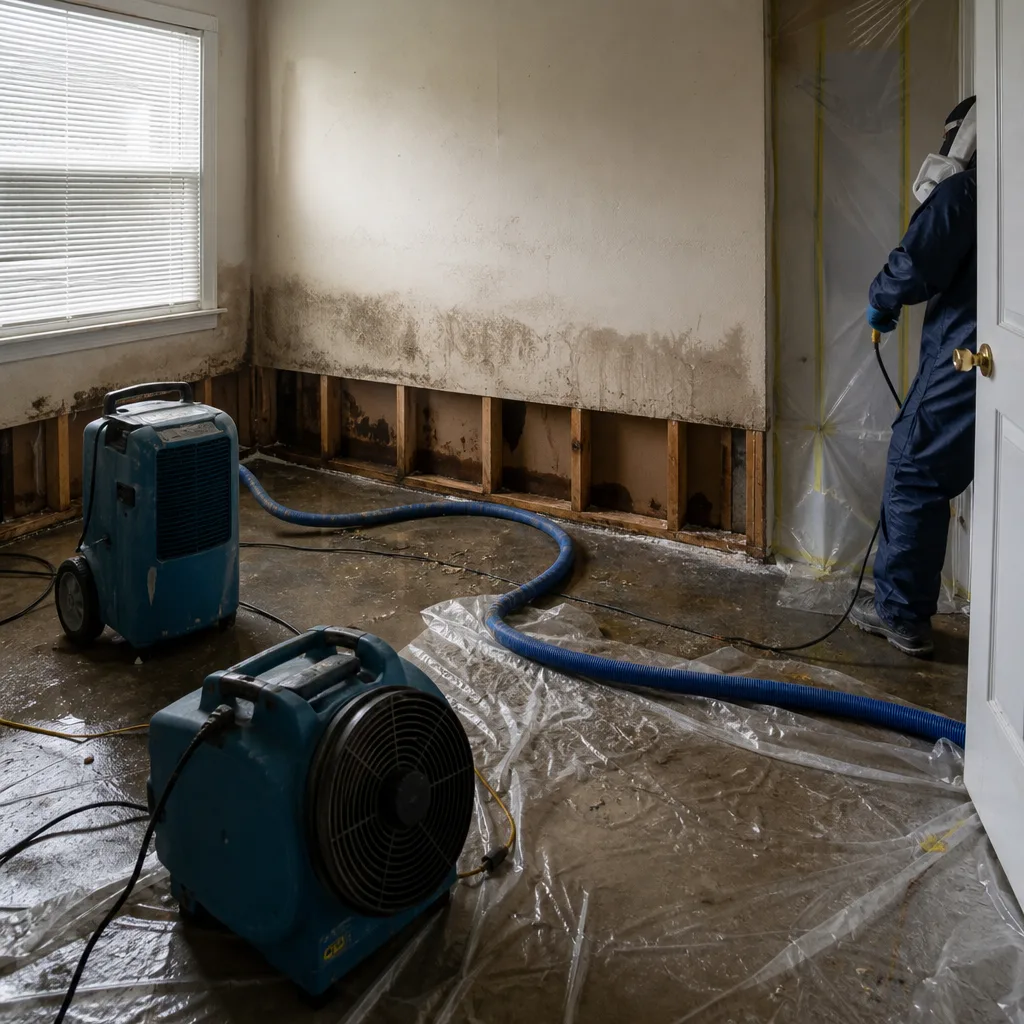 Before
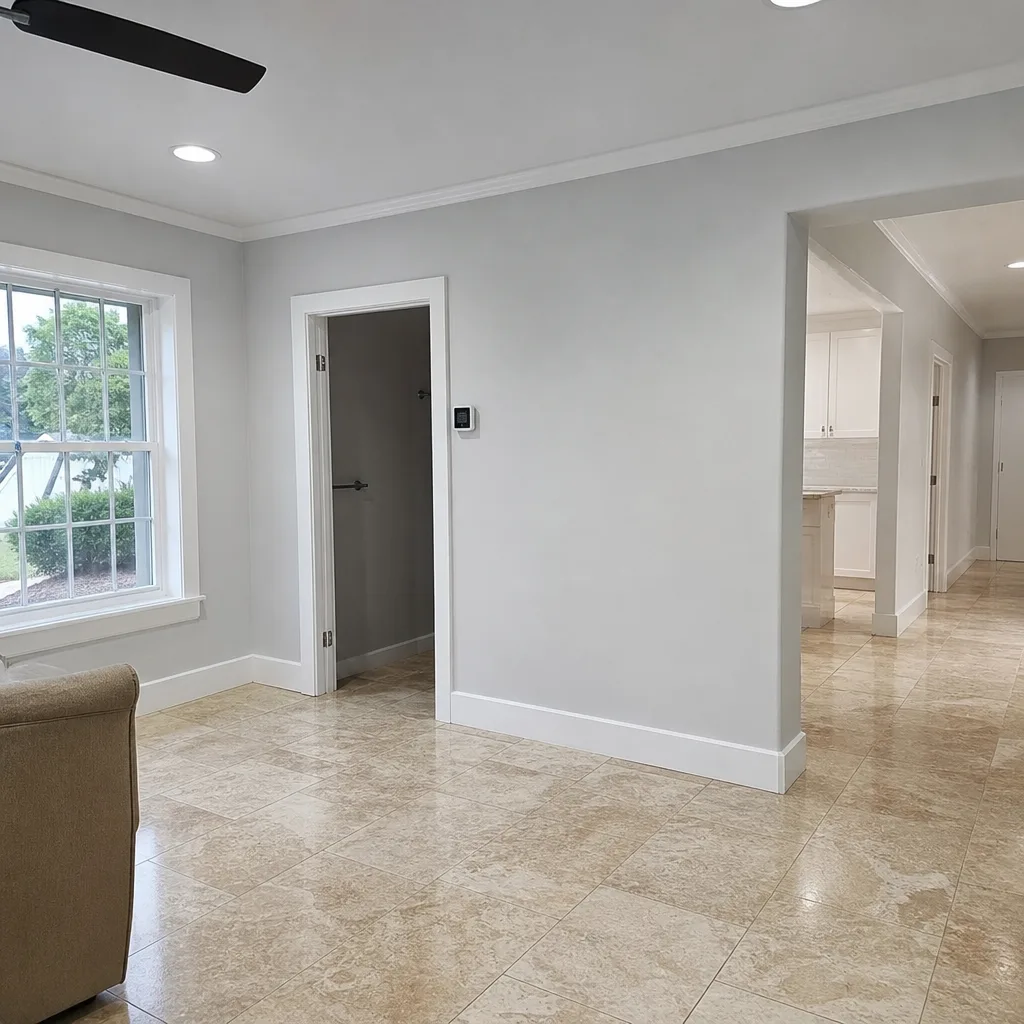 After
After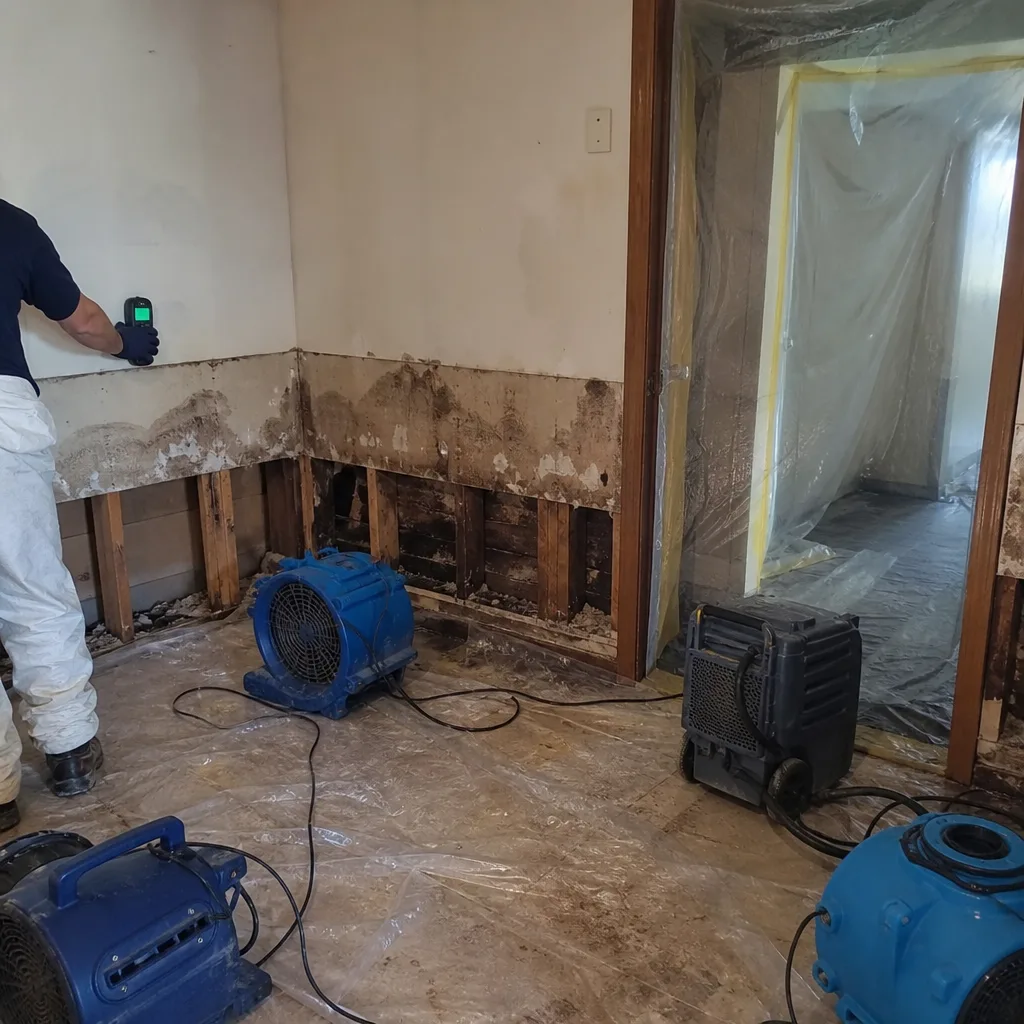 Before
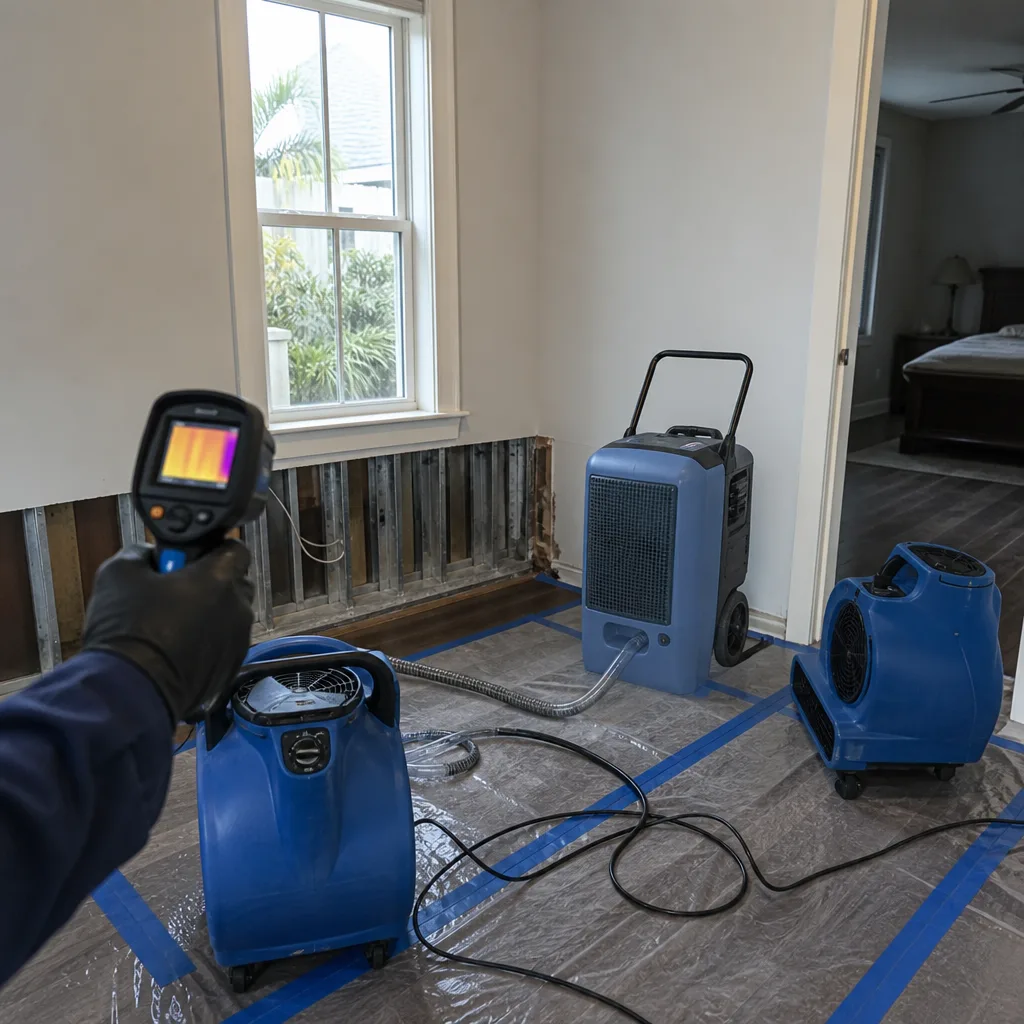 After
AfterDIY vs Professional Damage Restoration: The Boynton Beach Homeowner’s Decision Guide
Most Boynton Beach homeowners who tackle water damage themselves put in more physical effort than some contractors we’ve seen - and still walk away with zero documentation that any of it happened. In our experience reviewing thousands of claims since 2011, effort without evidence doesn’t count on an insurance form. The question isn’t whether you can pull wet drywall or rent a shop vac. It’s whether you’re prepared to sign a document stating that your drying process met IICRC S500 standard, with moisture readings to prove it, because that’s what your policy’s “reasonable steps to mitigate” clause actually requires. This guide walks through when DIY mitigation holds up, when it collapses under documentation scrutiny, and what Florida homeowners insurance really means by “prompt and proper” - and our Water Damage Restoration Maintenance Checklist for Boynton Beach Homeowners can help you stay prepared before a loss occurs.
Quick Answer
DIY damage restoration is defensible in Boynton Beach only for Category 1 clean-water losses under 10 square feet with no wall cavity involvement and ambient relative humidity below 60% - and even then, you must produce timestamped photos, daily moisture readings, and a written drying log to satisfy your insurer’s mitigation requirement. For everything else, the equipment gap (70-pint residential dehumidifiers versus 180-pint commercial LGR units), the documentation burden, and Florida’s strict “prompt and proper” policy language make professional restoration the lower-risk choice.
Table of Contents
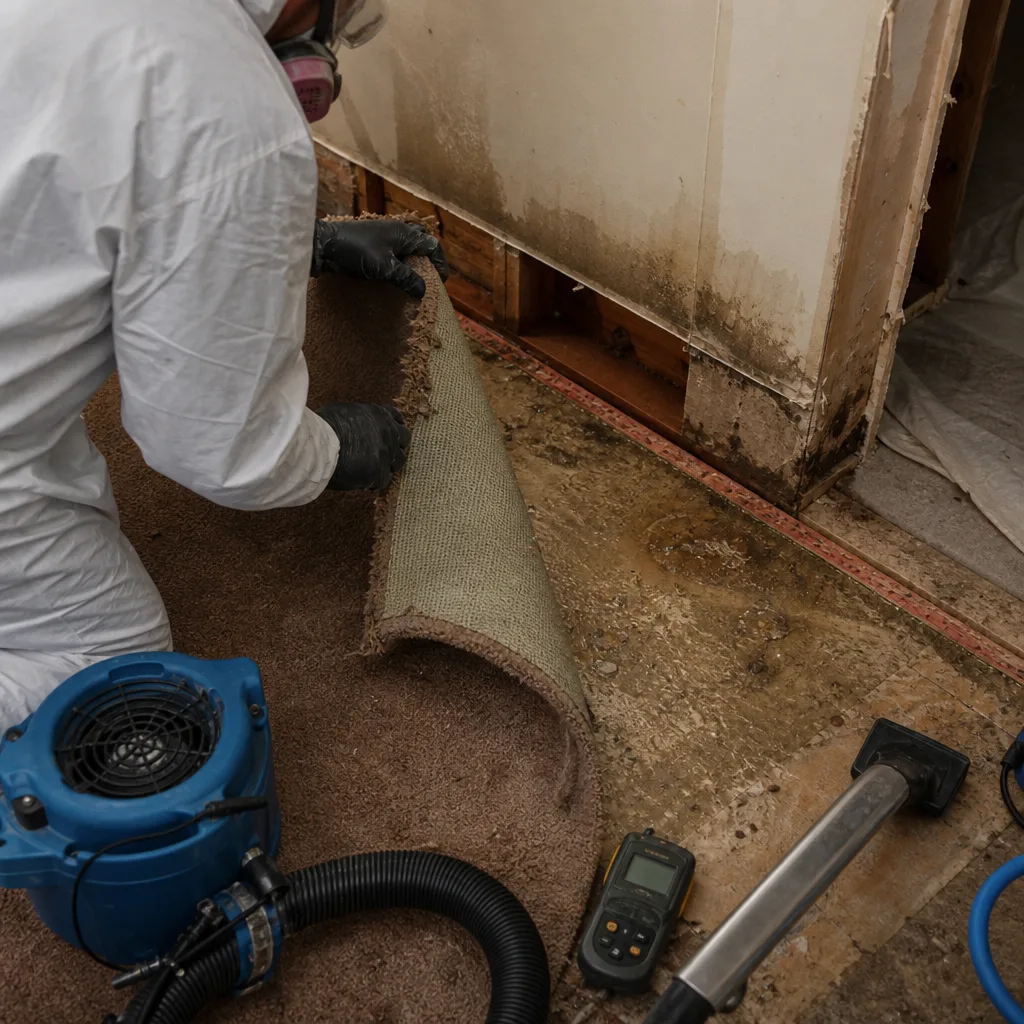
- When DIY Restoration Is Actually Defensible
- The Equipment Gap: Why DIY Drying Fails in Boynton Beach
- What Florida Homeowners Insurance Means by “Prompt and Proper Mitigation”
- The Documentation Liability Nobody Talks About
- How to Document a DIY Attempt That’s Already Underway
- The First Two Hours: The One DIY Action That’s Always Correct
- Cost Comparison: Real Numbers for Boynton Beach
- Common Mistakes to Avoid
- When to Call a Professional
- Frequently Asked Questions
 Before
 After
AfterWhen DIY Restoration Is Actually Defensible
We’ve restored over 12,000 homes since 2011, and we’ve seen maybe forty where the homeowner’s DIY mitigation would have held up under claims review. The pattern is narrow and specific. Four conditions must all be present, not three out of four.
The four conditions:
- Category 1 water only. This is clean water from a supply line, ice maker, or rainwater that hasn’t touched soil or building materials for more than 24 hours. Once it hits carpet padding, drywall paper facing, or sits past 48 hours, it degrades to Category 2. In Boynton Beach’s climate, that 24-hour window shrinks to roughly 18 hours during July and August when indoor relative humidity routinely hits 75% without air conditioning.
- Less than 10 square feet of affected area. Measured by the wet footprint on flooring, not by the room size. A 3×3 foot puddle in a kitchen corner qualifies. A 4×8 foot wet area on a living room wall does not, because wall cavity involvement is nearly guaranteed.
- No wall cavity involvement. Water that has wicked up drywall past the baseboard, seeped under cabinetry toe-kicks, or reached any double-wall construction has entered a space you cannot see or dry without invasive tools. A moisture meter with pin probes is the only way to confirm this, and most homeowners don’t own one.
- Ambient relative humidity below 60%. You need a hygrometer reading, not a guess. Boynton Beach’s outdoor humidity averages 72% annually. Without mechanical dehumidification running before the loss, your indoor air almost certainly fails this test.
Even when all four conditions are met, the homeowner still assumes documentation liability. Your insurer can request proof that you performed “reasonable steps to mitigate” and that those steps met industry standard. That means timestamped photos of the water source and affected area, a written log of equipment run times, daily humidity and temperature readings, and a final moisture content reading showing affected materials returned to within 4% of dry standard. Most DIYers produce none of this.
In our Boynton Beach work, we see the failure most often in the Water Damage Restoration in Boynton Beach calls that come on day five or six, when the homeowner realizes the musty smell isn’t going away. By then, what was a Category 1 loss has become a Category 2 or 3, and the documentation gap has widened from a crack to a chasm.
The Equipment Gap: Why DIY Drying Fails in Boynton Beach
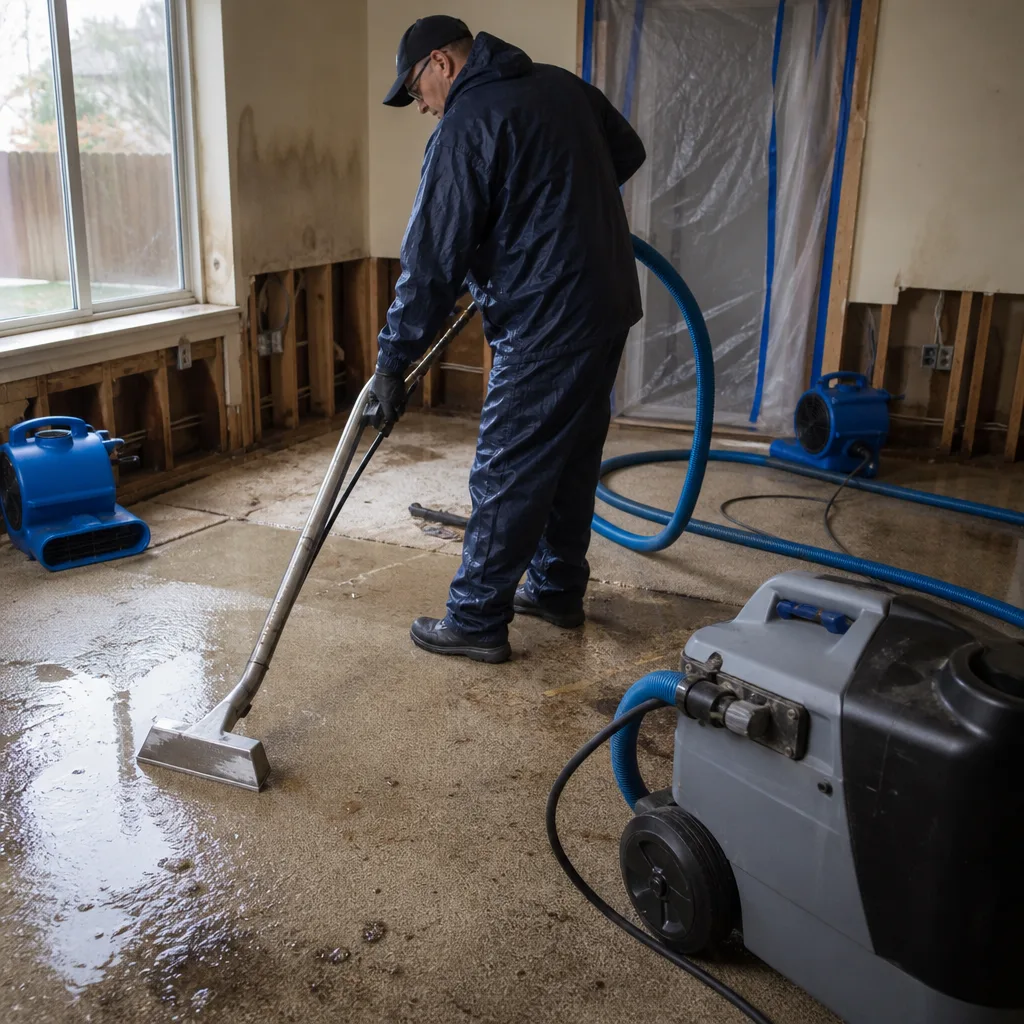
The equipment you can buy or rent at a Boynton Beach home improvement store operates in a different performance category than what restoration professionals deploy. The gap isn’t about brand names or marketing. It’s about measurable water removal capacity, and that capacity determines whether your structure reaches dry standard before microbial growth begins.
Residential versus commercial dehumidification:
- Residential dehumidifier (70-pint): Removes approximately 70 pints of moisture per day at 80°F/60% RH. Cost to purchase: $250-$400. Cost to rent in Boynton Beach: $45-$65 per day. Effective range: roughly 1,200 square feet in ideal conditions.
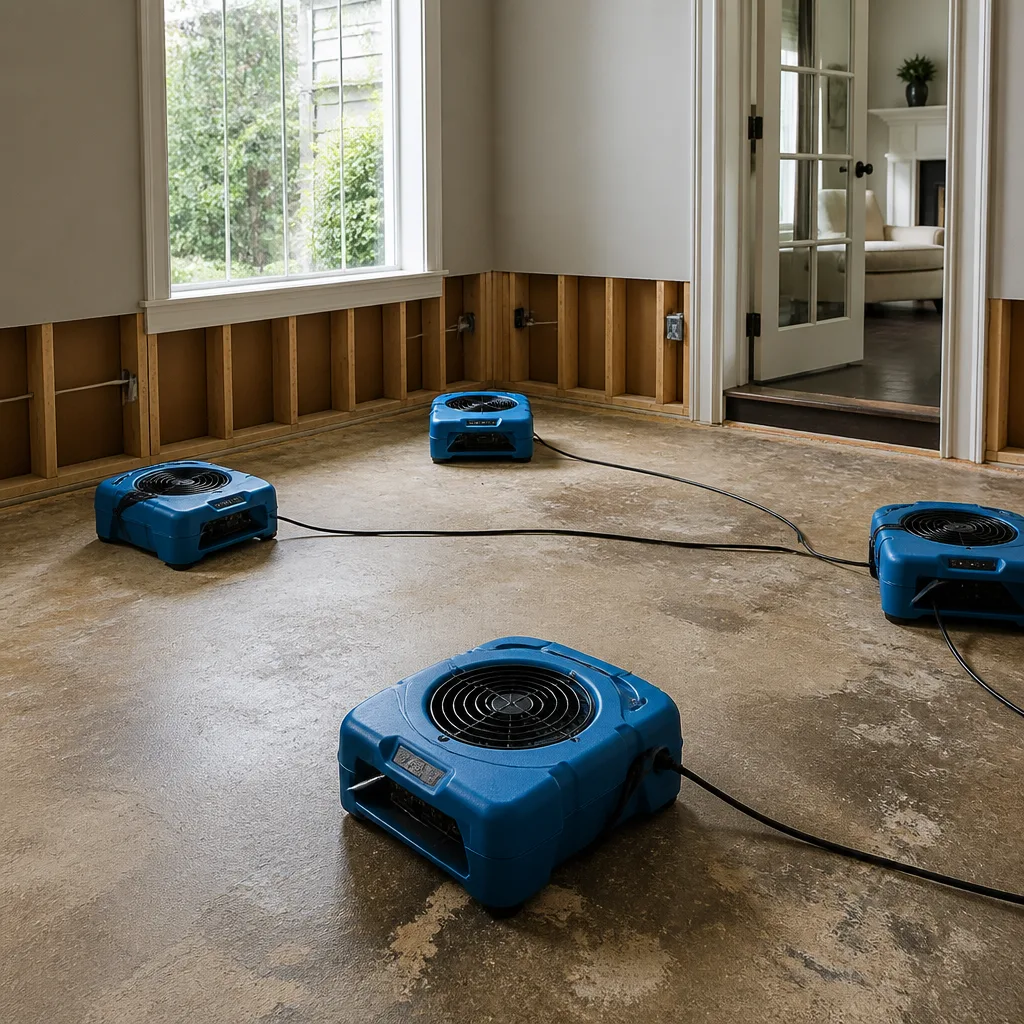
- Commercial LGR unit (180-pint): Removes approximately 180 pints per day at the same conditions, and maintains performance at lower humidity levels where residential units lose efficiency. Deployed with air movers creating vapor pressure differential - the controlled pressure gradient that forces moisture out of materials and into the air where the dehumidifier can capture it.
The math is straightforward. A typical Category 1 water loss in a Boynton Beach ranch home involves 40-60 gallons of water distributed across flooring, baseboards, and wall framing. That’s 320-480 pints. A residential dehumidifier needs 5-7 days of continuous operation. An LGR unit with proper air mover placement needs 2-3 days. Every extra day of drying time is a day when Boynton Beach’s ambient humidity is feeding moisture back into the structure, and when mold spores present in every Florida home are evaluating whether conditions are right to colonize.
The secondary equipment gap matters too. Injectidry systems pull air through wall cavities using sealed hose manifolds. B-Air axial fans create the laminar airflow pattern that residential box fans cannot replicate. Thermal imaging cameras find water migration paths that visual inspection misses. None of this is available at consumer rental counters, and none of it is optional for cavity drying.
We document every piece of equipment on every job to IICRC and RIA standards, with serial numbers, placement diagrams, and hourly runtime logs. When an adjuster asks why three LGR units were necessary, we show them the psychrometric data - the temperature, relative humidity, and vapor pressure readings that prove the drying environment was controlled, not guessed at.
What Florida Homeowners Insurance Means by “Prompt and Proper Mitigation”
Florida Statute 627.70132 requires insurers to include language about the policyholder’s duty to mitigate damage. Most Boynton Beach homeowners interpret this as “do something reasonable quickly.” The courts and adjusters interpret it more precisely: take documented steps that meet industry standard, within a timeframe that prevents further damage, and produce evidence of both.
The specific failure modes that give carriers grounds to reduce or deny:
- Undocumented timing. Your policy likely requires “prompt” mitigation. Without timestamped photos or a written timeline, you cannot prove when you discovered the loss or when you began response. In a 2022 Palm Beach County case, a carrier reduced a $47,000 claim by 40% because the homeowner could not establish whether drying began within 24 hours or 72 hours.
- Inadequate drying documentation. “Proper” means meeting IICRC S500 or S520 standard for the specific loss category. A residential dehumidifier running for three days with no moisture readings does not meet this standard. The carrier can argue that your incomplete drying caused secondary damage, and shift that cost to you.
- No final moisture verification. IICRC standard requires affected materials to return to within 4% of established dry standard for the material and region. Boynton Beach’s dry standard for dimensional lumber is typically 10-12% moisture content. Without a calibrated moisture meter reading, you have no proof of compliance.
- Scope creep from incomplete initial assessment. DIYers often address visible water while missing migration into adjacent rooms, under flooring, or within wall assemblies. The carrier can classify subsequent mold or structural damage as resulting from your failure to identify the full loss perimeter.
The phrase “prompt and proper” appears in most Florida HO-3 and HO-5 policies, but the specific documentation requirements are found in the policy’s Conditions section, not the declarations page. We’ve reviewed hundreds of these policies for Boynton Beach homeowners, and the pattern is consistent: the mitigation duty is broad, but the proof requirement is narrow and specific.
This is where DryMark Restoration Boynton Beach home documentation protocol was designed to perform. Every job receives a written scope before work begins - Haven Standard, Clause 1 - with room-by-room moisture readings, equipment specifications, and daily drying logs that satisfy adjuster review without supplemental documentation requests.
The Documentation Liability Nobody Talks About
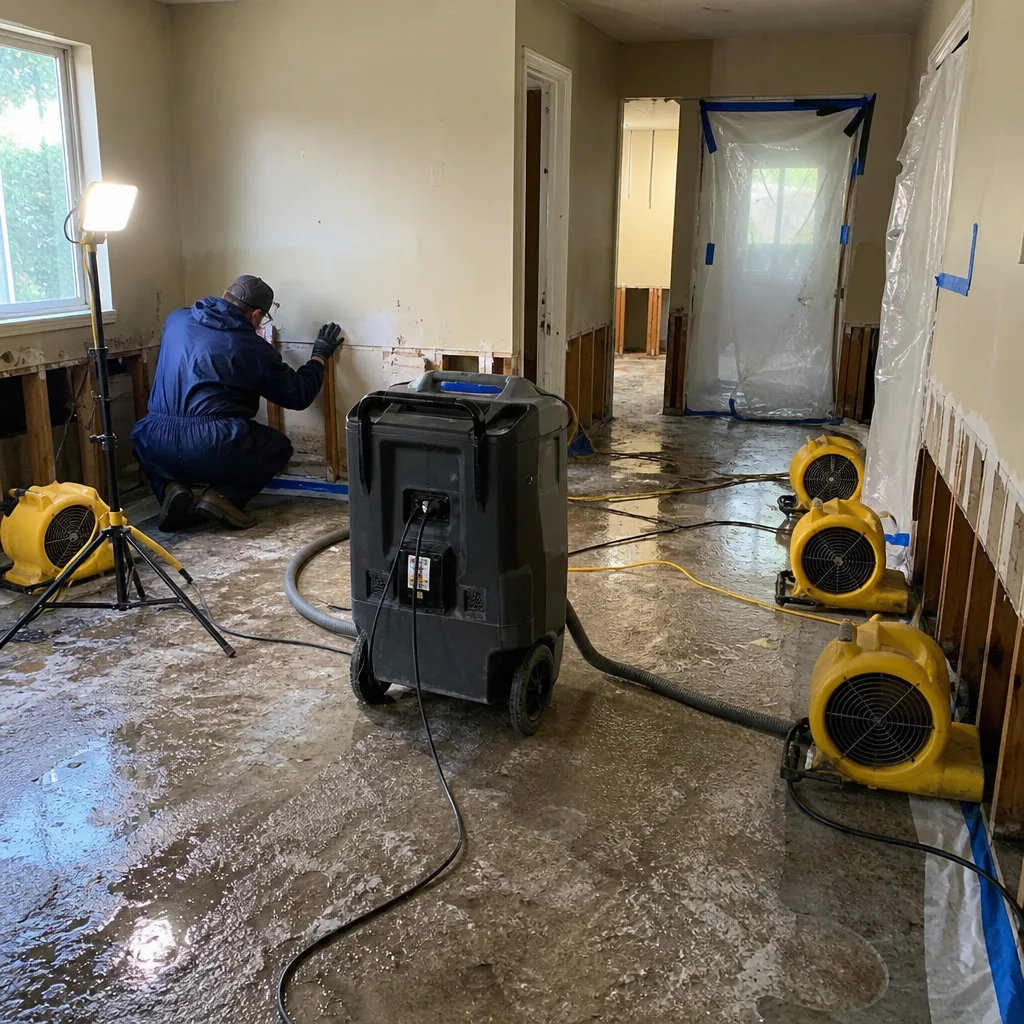
The central argument of this guide is that the DIY-versus-professional decision is not primarily about skill, time, or even cost. It’s about documentation liability: the legal and financial burden of proving that your mitigation work met standard.
When you hire a professional restoration company, that company assumes the documentation burden. Their drying logs, moisture readings, and photo records become the evidentiary basis for your claim. If the insurer disputes whether work was necessary or properly performed, the restoration company defends its documentation, not you.
When you perform your own mitigation, you assume this burden directly. You become the person who must testify, under potential deposition, that your equipment was adequate, your drying timeline was sufficient, your moisture verification was accurate, and your interpretation of “proper” was consistent with IICRC standard. Few homeowners are prepared for this. Fewer still have the records to support it.
What professional documentation includes on a typical Boynton Beach water loss:
- Initial moisture mapping with pin and non-invasive meters, room by room, with readings recorded to the tenth of a percent
- Thermal imaging documentation showing water migration paths not visible to the eye
- Psychrometric data collected every 24 hours: temperature, relative humidity, specific humidity, and vapor pressure differential
- Equipment placement diagrams with serial numbers and runtime hours
- Daily photo record of affected areas, equipment, and progressive drying
- Final moisture readings demonstrating return to dry standard
- Written scope with line-item pricing, signed by homeowner before work begins
We produce this documentation as standard deliverables, not upsells. Every Boynton Beach job since 2011 has included it. When an adjuster asks for backup, we deliver a PDF package within 24 hours, not a scramble to reconstruct what happened three weeks ago.
The Haven Standard, Clause 1 - written price before work begins - exists partly to create this documentation trail from minute one. A signed scope with pricing is a contemporaneous record of what was agreed, what was found, and what was done. A verbal estimate followed by a credit card charge is not.
How to Document a DIY Attempt That’s Already Underway
If you’re reading this mid-mitigation, already running fans and pulling wet materials, you can still preserve some claim value. The key is to create a record that a professional can later supplement, rather than starting from zero documentation.
Step-by-step documentation protocol:
- Photograph everything now, before moving anything else. Room by room, four walls and ceiling, with a timestamp. Use your phone’s timestamp feature or photograph a clock in frame. Capture the water source, the visible water line, wet materials, and any equipment you’ve already deployed.
- Write a timeline. When did you discover the loss? When did water stop flowing? When did you begin extraction or drying? When did you remove materials? Use specific times, not “morning” or “evening.”
- Record equipment details. Brand, model, capacity, and when it started running. Photograph the nameplate. If rented, photograph the rental agreement with dates.
- Take moisture readings if possible. A $35 pinless moisture meter from a hardware store is better than no readings. Record the location, the reading, and the date/time. Note that consumer meters are less accurate than professional-grade Delmhorst or Protimeter units, but they establish that you attempted measurement.
- Log daily conditions. Indoor temperature and humidity, outdoor temperature and humidity, equipment runtime hours. A $15 hygrometer is sufficient for this purpose.
- Photograph before removing any more material. Each removal decision should be documented: what was removed, why, and what was found underneath.
- Call a professional before you reach the 48-hour mark. In Boynton Beach’s climate, microbial growth can begin between 48 and 72 hours. Your documentation preserves some value; a professional’s documentation completes the record.
When we arrive at a home where DIY mitigation is underway, we review the homeowner’s documentation and incorporate what we can into our professional record. We do not rewrite history to exclude your efforts. But we also cannot retroactively produce the thermal imaging, psychrometric data, or equipment runtime logs that should have begun at hour zero.
Our Mold Remediation in Boynton Beach team sees the consequence most acutely. A homeowner who ran fans for four days, thought the wall felt dry, and closed it up without moisture verification has created the exact conditions for hidden mold growth - and has no documentation to prove they acted reasonably.
The First Two Hours: The One DIY Action That’s Always Correct
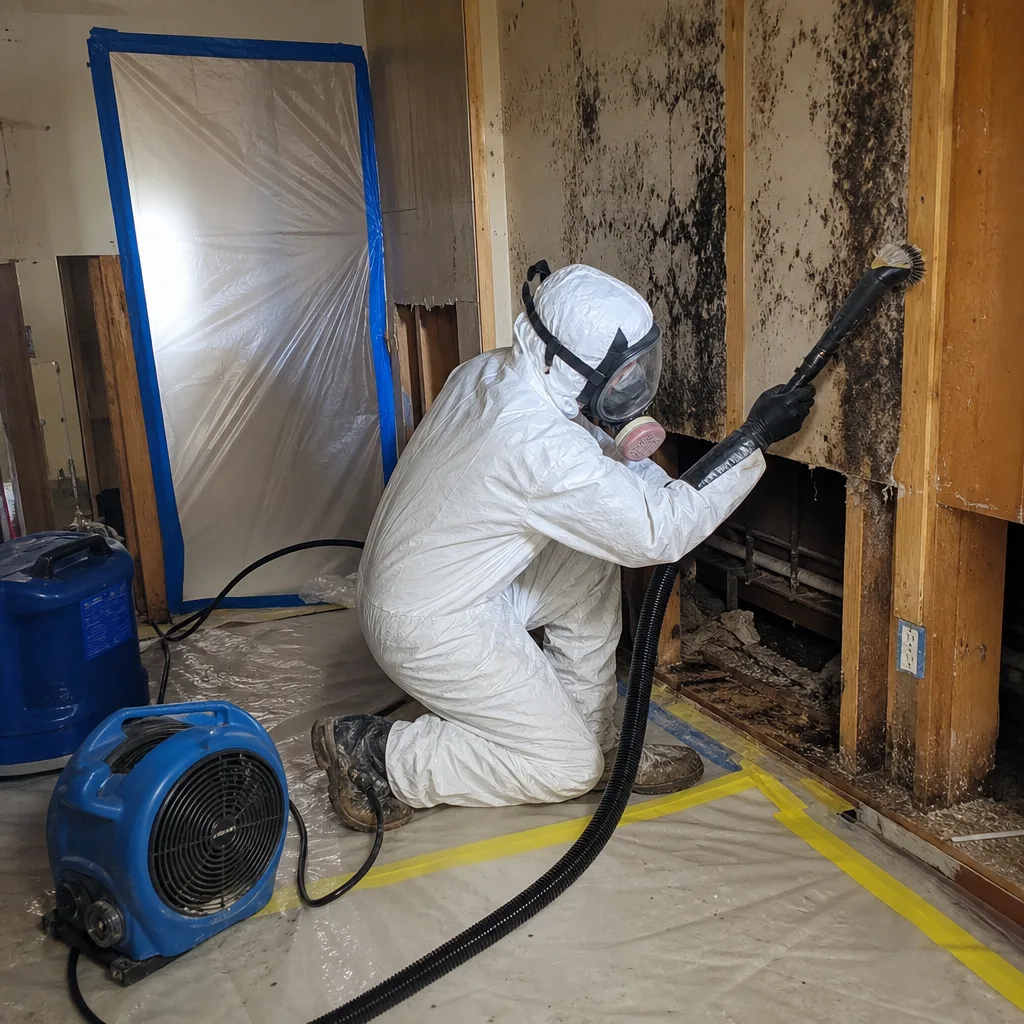
There is exactly one documentation action that a homeowner can perform better than any professional who arrives later: the photographic record taken within the first two hours of discovery. This record is time-sensitive and non-reproducible. No technician who arrives at hour three can photograph what the water looked like at hour one, what materials were in place before removal, or what the source configuration was before anyone touched it.
The two-hour photo protocol:
- Photograph the water source: the burst pipe, the appliance leak, the roof penetration, the window failure. Include surrounding area for context.
- Photograph the water path: where it traveled, where it pooled, where it wicked up walls. Use wide shots for context, close-ups for detail.
- Photograph affected contents before moving anything: furniture, electronics, textiles, personal items. These become part of your contents claim.
- Photograph the exterior if relevant: storm damage, fallen trees, vehicle impact, foundation grading.
- Photograph your home’s systems: electrical panel location, HVAC configuration, water shutoff valve. These guide professional response.
Store these photos in cloud backup immediately. Email them to yourself with a timestamp. Do not rely on phone storage, which can fail, be lost, or have timestamps disputed.
This photo record serves multiple purposes. It establishes the pre-loss condition of your home for your insurer. It documents the source and initial extent for the restoration company. It protects you if the loss cause is later disputed. And it captures evidence that degrades quickly: water lines on drywall that will be removed, standing water that will be extracted, contents that will be cleaned or discarded.
In Boynton Beach’s storm season, we’ve seen homeowners who performed this two-hour documentation receive full coverage for losses where neighbors with identical damage received partial denials. The difference was the contemporaneous photo record, not the extent of damage or the quality of mitigation.
Cost Comparison: Real Numbers for Boynton Beach
Homeowners considering DIY mitigation often focus on avoiding professional service charges. The comparison is more complex when documentation value, equipment effectiveness, and insurance claim impact are included.
DIY mitigation costs (Category 1, under 10 square feet, meeting all four defensible conditions):
- Shop vac rental: $35-$50 per day
- Residential dehumidifier rental: $45-$65 per day
- Box fans (purchase): $20-$40 each
- Moisture meter (purchase): $30-$60
- Hygrometer (purchase): $15-$25
- Personal protective equipment: $20-$40
- Wet/dry vacuum purchase (if preferred): $80-$150
- Replacement materials: $50-$200 depending on extent
- Typical total for 3-day DIY mitigation: $300-$700
Professional mitigation costs for equivalent loss:
- Initial assessment and moisture mapping: $150-$250
- Water extraction: $200-$400
- Equipment deployment (LGR dehumidifiers, air movers): $150-$250 per day
- Daily monitoring and documentation: included in equipment rate
- Final verification and report: included
- Typical total for 2-3 day professional mitigation: $800-$1,400
The gap narrows significantly when insurance is involved. Professional mitigation that is documented to IICRC standard is typically covered under policy provisions, minus deductible. DIY mitigation costs are out-of-pocket, with no guarantee of reimbursement. If the DIY attempt fails and secondary damage occurs, the homeowner bears both the initial DIY cost and the additional professional remediation cost, often with reduced insurance coverage due to documentation gaps.
For losses exceeding the four defensible conditions, the cost comparison becomes irrelevant. A wall cavity with wet insulation, a Category 2 loss with affected carpet pad, or any loss in a Boynton Beach home with indoor humidity above 60% requires equipment and expertise that cannot be rented or learned in real time.
Our written pricing under Haven Standard, Clause 1 means you know these numbers before work begins, not after. We also offer a Free Second Opinion on any competitor’s written estimate, which many Boynton Beach homeowners use to verify that a quoted DIY-equivalent scope is actually equivalent in documentation and equipment terms.
Common Mistakes to Avoid
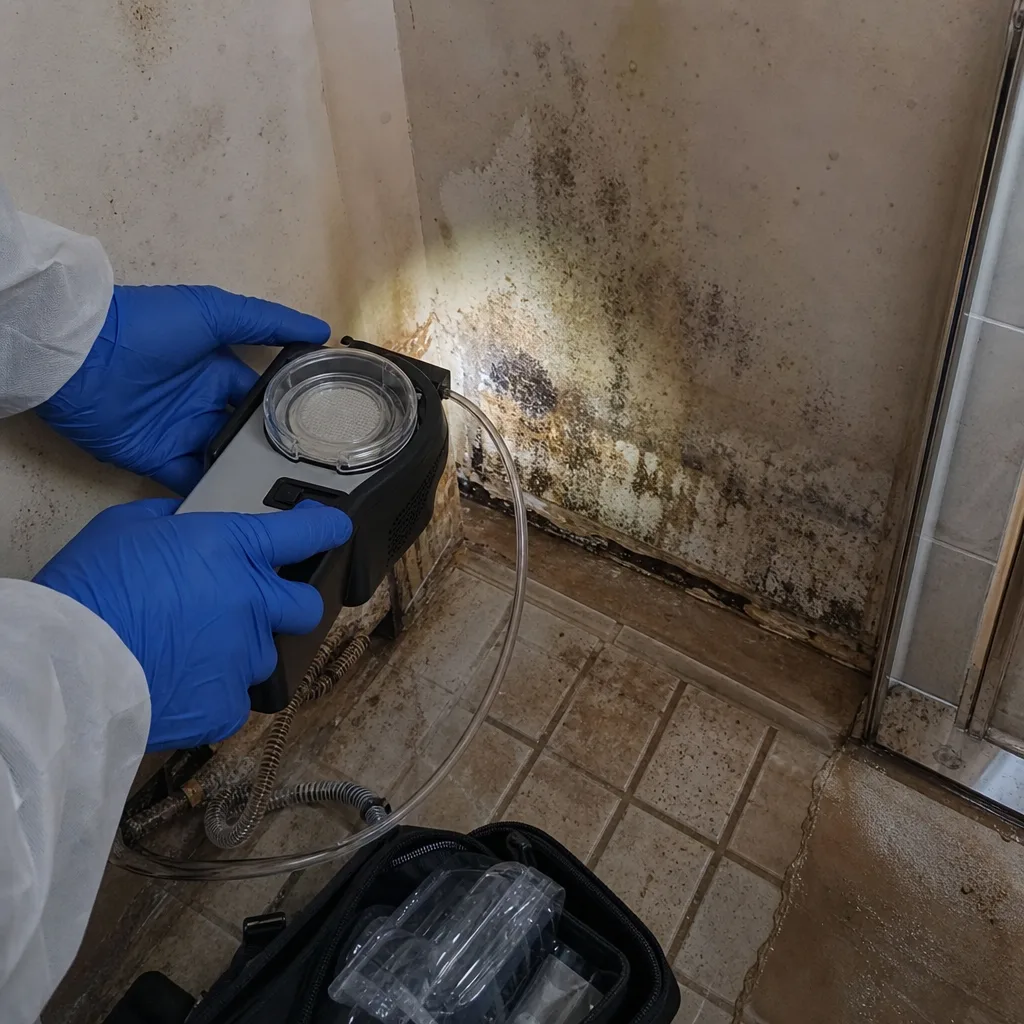
- Using bleach on mold. Bleach kills surface mold on non-porous materials but does not penetrate porous materials like drywall or wood framing. In Boynton Beach’s humidity, mold regrows from the root system within weeks. Worse, bleach can damage materials and create a false sense of resolution that delays proper remediation.
- Running HVAC during active water loss. Your air conditioning system can distribute moisture and contaminants throughout the home. We’ve seen single-room losses become whole-house contamination because the homeowner left the AC running to “help dry things out.”
- Removing wet drywall without checking for electrical or plumbing. Boynton Beach homes built between 1960 and 1990 often have electrical runs at 16 inches on center, directly behind drywall. A reciprocating saw through wet drywall can cut live wiring or pressurized plumbing.
- Ignoring the concrete slab. In Boynton Beach’s flat terrain with high water table, slab-on-grade construction is common. Water wicks through concrete surprisingly fast, and a dry surface doesn’t mean dry substrate. Moisture meters with deep probes are required for verification.
- Closing up walls based on surface dryness. Drywall can feel dry to the touch while interior paper facing and insulation remain saturated. Without pin-probe moisture readings at multiple depths, you’re guessing at cavity conditions.
- Waiting for insurance approval before starting mitigation. Florida policies require prompt mitigation. Waiting 48 hours for adjuster assignment can void coverage for secondary damage. Document, begin reasonable mitigation, and submit - do not delay for authorization.
- Discarding damaged materials before documentation. Your insurer may require physical evidence of damaged materials for contents coverage. Photograph everything, and retain samples of flooring, drywall, or insulation until coverage is confirmed.
When to Call a Professional
Call a professional restoration company when any of the following apply: the water source is unknown or ongoing; affected area exceeds 10 square feet; water has been present more than 24 hours; any wall cavity, ceiling, or subfloor is involved; electrical outlets or systems are near the water line; you smell mustiness but cannot locate the source; or your insurer has requested documentation of professional-standard mitigation. See our How to Hire a Damage Restoration Contractor in Boynton Beach: A Step-by-Step Guide for what to ask before you sign.
In Boynton Beach specifically, call immediately if the loss occurs during hurricane season (June through November) when contractor availability compresses and secondary damage accelerates. Our Seasonal Damage Restoration Care for Boynton Beach: Year-Round Homeowner’s Guide breaks down what to watch for each season. Call if your home was built before 1990 and may contain materials requiring specialized handling. Call if you are a seasonal resident and discovered the loss remotely - documentation becomes even more critical when you were not present to witness initial conditions.
DryMark Restoration Boynton Beach offers free estimates in Boynton Beach. Our live phone coverage is available 24 hours a day, 7 days a week with no voicemail on emergency lines. Every job is quoted in writing before work begins, documented with a photo record on every visit, and covered by the 365-Day Done Right Promise under The Haven Standard. Call (754) 227-6524 for assessment.
Frequently Asked Questions
Your policy may reimburse documented supply costs, but it will not cover your labor time, and it may reduce coverage if your mitigation is later found inadequate. Most Florida insurers require “prompt and proper” mitigation performed to IICRC standard, which residential equipment rarely achieves. Call (754) 227-6524 for a free estimate - our written scope satisfies standard documentation requirements from day one.
Our live dispatch answers every call immediately, and emergency response typically reaches Boynton Beach addresses within 60-90 minutes during normal conditions. Hurricane season and widespread storm events can extend this, which is why early documentation and initial water shutoff are critical homeowner actions. For reconstruction and non-emergency work, we schedule scoped appointments with written arrival windows.
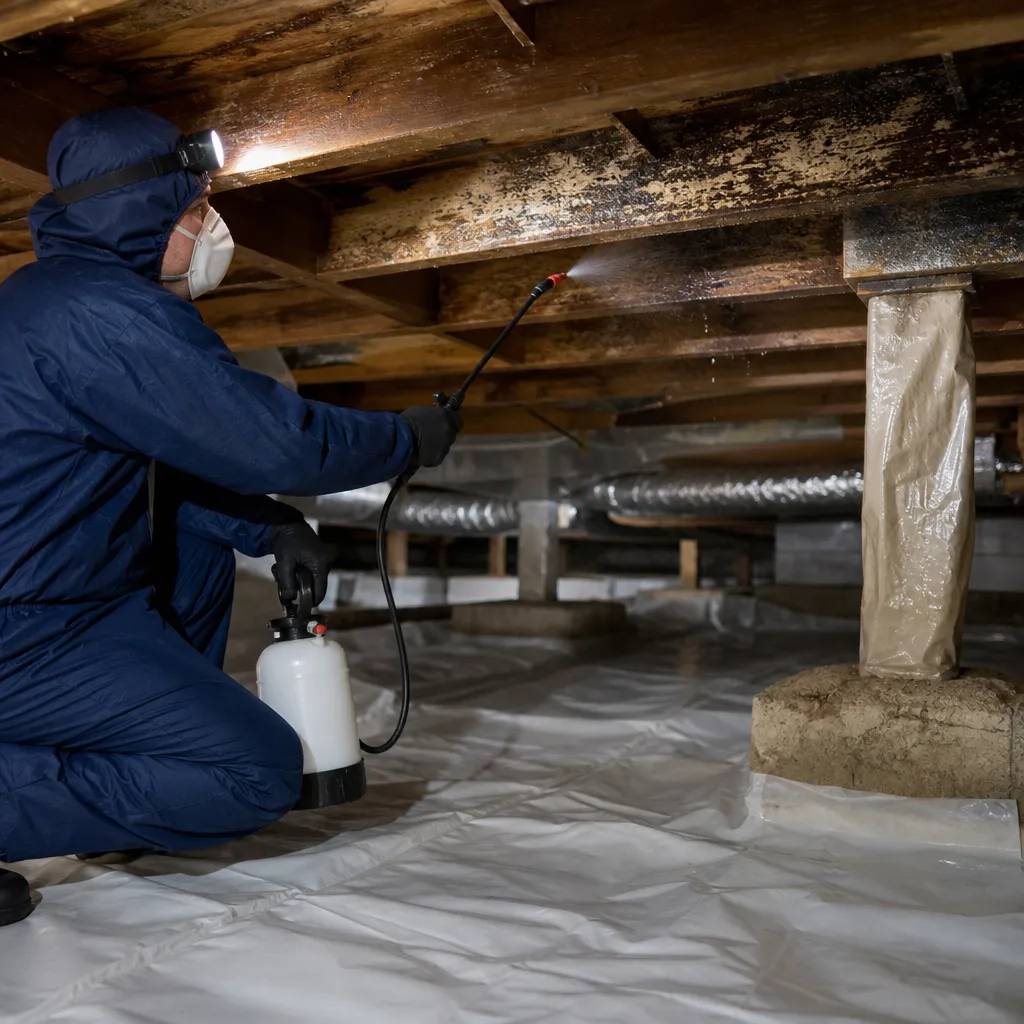
Visible mold on a hard surface under 10 square feet can sometimes be addressed with proper PPE and EPA-registered cleaner, but only after moisture source elimination is verified with meter readings. Hidden mold in wall cavities, HVAC systems, or beneath flooring requires professional containment, negative air pressure, and documented clearance testing. Our Mold Remediation in Boynton Beach team follows IICRC S520 protocol with containment barriers and HEPA filtration.
We coordinate directly with adjusters as part of our standard service, providing the documented photo record, drying logs, and written scope that adjusters need to process claims efficiently. You remain the policyholder and final decision-maker, but you do not need to become the documentation intermediary. This direct coordination is particularly valuable in Boynton Beach, where Palm Beach County’s adjuster volume can delay responses to homeowner-initiated inquiries.
Mitigation is the emergency phase: stopping water, extracting standing water, drying materials, and preventing secondary damage. Restoration is the repair phase: replacing drywall, flooring, cabinetry, and finishes to pre-loss condition. Mitigation must begin immediately; restoration is scoped, scheduled, and priced in writing once drying is verified. At DryMark Restoration Boynton Beach, we provide both phases with separate written scopes under Haven Standard, Clause 1.
Yes, with documentation. Photograph the equipment, note start times, and position fans to promote airflow across wet surfaces without blowing directly into wall cavities where they can drive water deeper. Do not direct fans at suspected mold growth, as this disperses spores. Your equipment will be supplemented or replaced by professional-grade Dri-Eaz, Phoenix, or B-Air units upon arrival, but your initial documentation effort preserves claim value.
The Bottom Line
The DIY-versus-professional question in Boynton Beach restoration comes down to what you’re willing to be responsible for in writing. Four specific scenarios permit defensible DIY mitigation, and even those require timestamped photos, daily readings, and a written drying log. The equipment gap between consumer and professional dehumidification turns most losses into multi-day exposures that invite secondary damage. Florida’s “prompt and proper” policy language places the documentation burden squarely on the homeowner who self-performs, and carriers have specific failure modes they use to reduce claims when that documentation is absent. The one action every homeowner should take immediately is the two-hour photographic record, which no professional can reproduce later. For everything else, the lower-risk path is a written scope, documented work, and a professional who assumes the liability. Explore more guides & resources on protecting your Boynton Beach home.y of proof.
Written by Alicia Brennan, Owner at DryMark Restoration Boynton Beach, serving Boynton Beach since 2011.